news
The Data Statistics and Numbers Behind Tasmania's Salmon Aquaculture Industry
A closer look at the figures driving the state's salmon farming sector, from production volumes to environmental concerns
Listen in English · 3 min
How we reported this
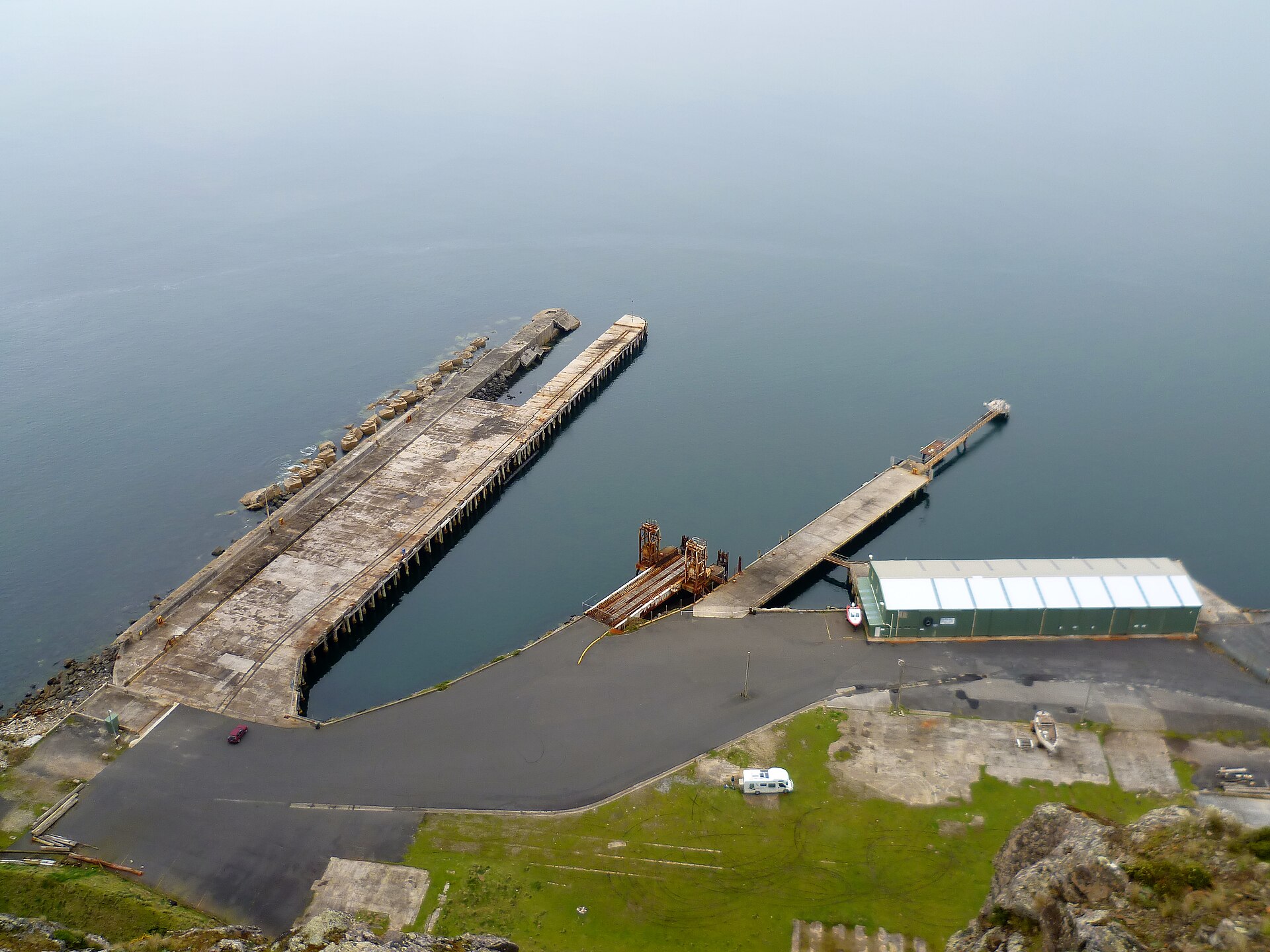
Tasmania's salmon aquaculture industry produced 58,000 tonnes of salmon in the 2024-2025 financial year, with the majority coming from farms in Macquarie Harbour and Storm Bay.
The industry's growth and expansion have significant implications for the state's economy and environment, particularly in light of ongoing debates about the Marinus Link undersea power cable and the potential impacts of increased energy demand on the state's natural resources. As the state government navigates these complex issues, understanding the data and statistics behind the salmon aquaculture industry is crucial for informed decision-making.
In Tasmania, companies like Tassal Group and Huon Aquaculture operate in areas such as Dover, Strahan, and Eaglehawk Neck, with many of these operations located near popular tourist destinations like the Tasman Peninsula and Cradle Mountain National Park. The Tasmanian Salmonid Growers Association, based in Hobart, represents the interests of the industry and works with government agencies like the Department of Primary Industries, Parks, Water and Environment to develop and implement sustainable farming practices.
Key Statistics and Trends
According to data from the Australian Bureau of Statistics, the value of Tasmania's salmon aquaculture production increased by 12% between 2022-2023 and 2023-2024, reaching a total of $643 million. The industry also supports over 1,500 jobs in the state, with many of these positions located in regional areas. However, concerns about the environmental impacts of salmon farming, including the release of waste and chemicals into the water, have led to calls for greater regulation and monitoring. For example, a report by the Environment Protection Authority Tasmania found that the industry generated over 12,000 tonnes of waste in 2024, highlighting the need for more effective waste management strategies.
As the industry continues to grow and expand, it is likely that these issues will remain at the forefront of public debate. In the coming months, the state government is expected to release new guidelines for the industry, including measures to reduce waste and improve environmental sustainability. In the meantime, consumers can support sustainable salmon farming practices by choosing products certified by organisations like the Aquaculture Stewardship Council, which has certified several Tasmanian salmon farms for their commitment to environmental responsibility. By understanding the data and statistics behind the industry, Tasmanians can make informed decisions about the future of salmon aquaculture in the state.