news
Tasmania Tackles Thousands of Duplicate Photos in State Archives Overhaul
Years of fragmented digital management across state agencies have left Tasmania's official photo libraries cluttered with redundant imagery, and a coordinated replacement effort is now underway.
How we reported this
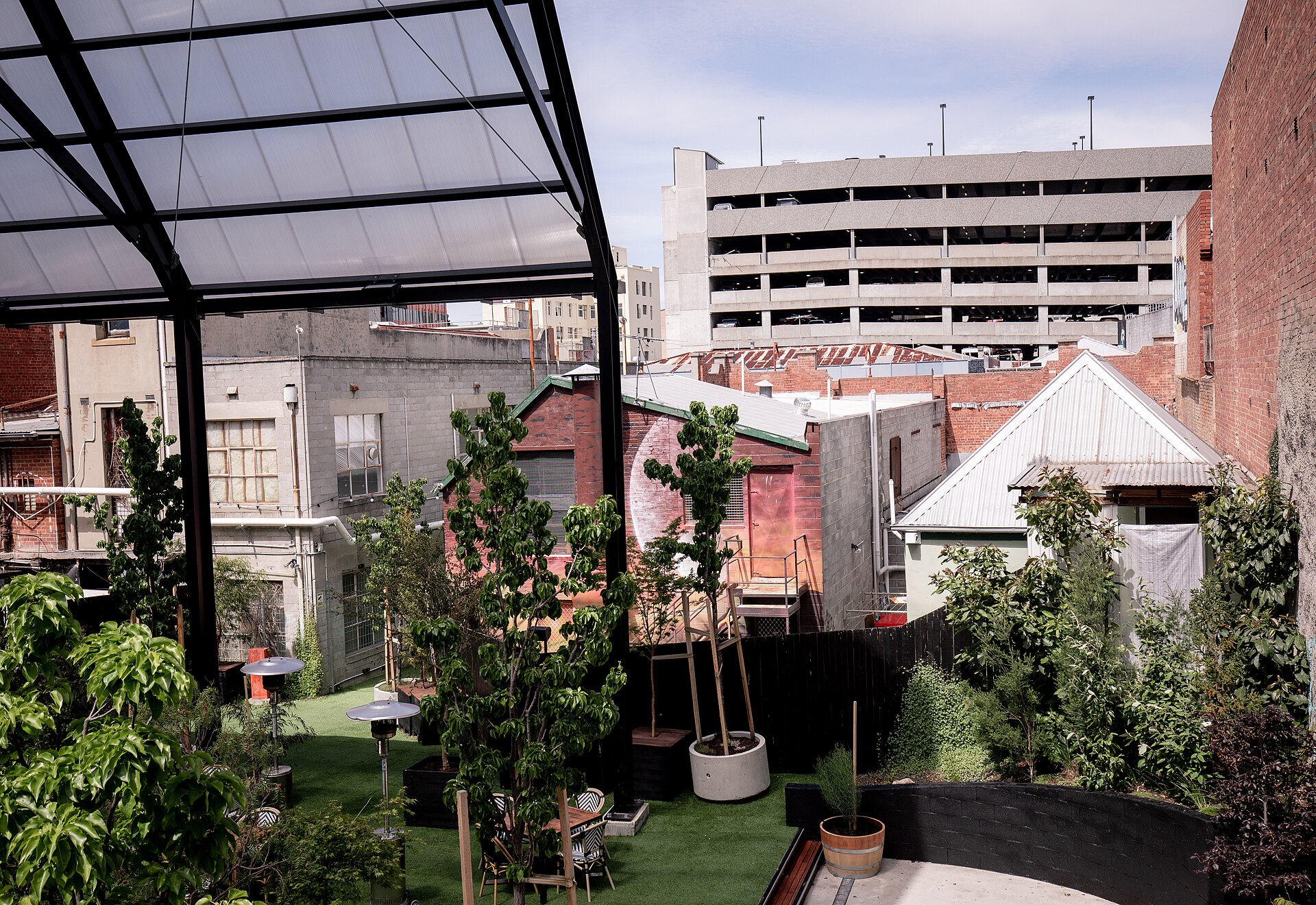
Tasmania's government communications offices are working through a significant backlog of duplicate and outdated imagery embedded across dozens of agency websites, tourism portals and public-facing documents, a problem that accumulated quietly over more than a decade of siloed digital record-keeping and has now forced a coordinated remediation effort across the state public service.
The issue matters now because the Liberal government has made a public point of consolidating digital services under the Service Tasmania framework, and the presence of repeated, low-resolution or factually incorrect images, including photographs of demolished buildings and outdated infrastructure, directly undermines credibility at a moment when the state is spending heavily on tourism promotion and infrastructure advocacy, including the contested Marinus Link undersea cable project.
How the Problem Built Up
The duplication crisis has roots in the early 2010s, when individual agencies, from the Department of Primary Industries, Parks, Water and Environment through to Tasmania Parks and Wildlife Service, each maintained their own content management systems with little cross-referencing. When the state migrated to centralised CMS platforms between 2017 and 2020, image libraries were bulk-imported rather than audited. The result was thousands of near-identical photographs of landmarks like Cradle Mountain, the Salamanca Market precinct and the Hobart waterfront sitting in multiple asset registers simultaneously, sometimes with conflicting metadata and licensing information.
Tourism Tasmania, which operates one of the most image-intensive digital presences in the state government, flagged the scale of the problem internally as far back as 2022, according to public service budget documents tabled in the Legislative Council. An internal audit cited in those documents identified more than 14,000 image assets across the organisation's digital platforms that were either exact duplicates or near-identical variants requiring manual review. That figure did not include imagery held by Parks and Wildlife or the Department of State Growth separately.
The practical consequences have been real. Hobart City Council staff working on the Elizabeth Street Mall renewal collateral reported sourcing images from the state's shared asset library only to discover some photographs predated the mall's 2019 refurbishment. Regional tourism bodies in the Huon Valley and on the Tasman Peninsula have made similar complaints, noting that promotional pages occasionally surfaced aerial shots of farming land that has since changed hands or use, including properties affected by the ongoing debate over salmon aquaculture regulation in the Huon estuary.
What the Replacement Program Involves
The current duplicate image replacement program, operating under the Digital Tasmania Government Content Integrity Initiative announced in the 2025-26 state budget, involves a phased audit and retagging process. The first phase, targeting Tourism Tasmania and the three largest departmental websites, was scheduled for completion by June 30, 2026. Phase two, covering smaller agency sites and the Service Tasmania portal on Bathurst Street in Hobart, is now the active workstream through December.
The initiative has a budget allocation of $1.4 million across two financial years, according to budget paper figures published by the Tasmanian Treasury. Contractors engaged through the Digital Strategy and Services division are using automated deduplication software alongside manual editorial review, with editorial staff verifying that replacement images are correctly licensed, geographically accurate, and consistent with current branding guidelines issued by the Department of Premier and Cabinet.
For the public, the most visible near-term change will be on the Discover Tasmania website, which draws several million unique visits annually and has historically been the most prominent showcase for state imagery. Users who noticed inconsistencies, drone footage labelled as Freycinet Peninsula that showed terrain inconsistent with the Freycinet National Park coastline, for example, should find corrected versions progressively appearing as phase one replacements are pushed live.
Agencies are also being asked to adopt a new shared tagging taxonomy before uploading any new images, a procedural fix designed to prevent the same accumulation from recurring. Whether that discipline holds in practice will depend on training uptake across dozens of separate teams, a challenge that state digital officers acknowledge openly in the program's own documentation.