news
How Tasmania's Public Record Image Problem Built Up Over Decades, and Why It's Coming to a Head Now
A quiet administrative headache has grown into a genuine governance issue: duplicate and unverified images are cluttering official Tasmanian government digital records, and the path to fixing it traces back years.
How we reported this
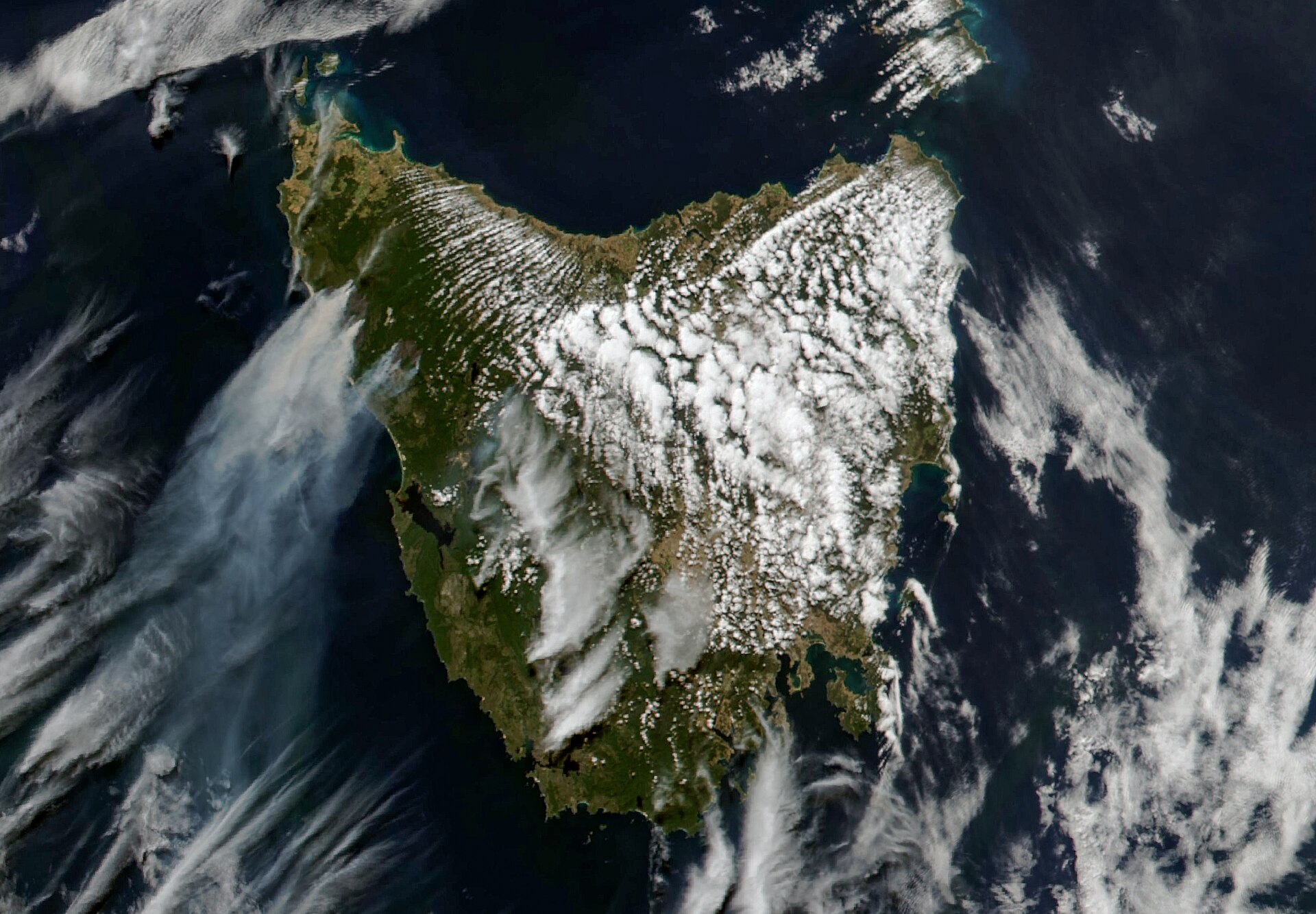
Tasmania's state government is confronting a problem that accumulated gradually across multiple agencies: thousands of duplicate images embedded in public-facing digital records, heritage databases, and tourism asset libraries that have never been properly audited or reconciled. The issue has reached a point where agencies including Service Tasmania and the Department of Natural Resources and Environment Tasmania are now under pressure to resolve inconsistencies before a broader digital consolidation project moves forward.
The timing matters. The Tasmanian Liberal government's ongoing push to modernise state infrastructure, running parallel to major capital commitments including the Marinus Link undersea cable project and contentious AFL stadium works at Macquarie Point in Hobart, has sharpened scrutiny on how government agencies manage their digital assets. When public money is being committed at scale, records management becomes more than a back-office concern.
How the Duplication Problem Took Root
The roots go back to the early 2000s, when individual Tasmanian government departments began digitising archival material independently, without a shared taxonomy or image registry. The State Records Office of Tasmania, based in Hobart, has long maintained physical and digital archives, but the transition to web-based content management systems across agencies created parallel image libraries that were never linked. A photograph of Cradle Mountain taken for a Parks Tasmania brochure in 2004 might exist in three separate agency databases by 2026, each tagged differently and none flagged as a duplicate.
The problem compounded when the government consolidated some agency websites under the tas.gov.au domain in the mid-2010s. Content migrated across without systematic deduplication. Heritage Tasmania's records relating to sites along the Huon Valley, for instance, drew on image sets from multiple predecessor agencies, some of which overlapped substantially. Staff working on the Tasmanian Heritage Register, a statutory list maintained under the Historic Cultural Heritage Act 1995, have flagged instances where the same property photograph appears under different file names with conflicting metadata.
Tourism Tasmania, which operates separately and maintains its own image asset portal for media and industry partners, ran its own digitisation programs. Its library now holds tens of thousands of images covering locations from the Tamar Valley wine region to the streets of Salamanca Place. Without a unified government image registry, cross-agency duplication between Tourism Tasmania's holdings and those of other departments was essentially inevitable.
Why 2026 Is the Crunch Point
Three specific pressures have converged this year. First, the state government's Digital Strategy 2023-2027 includes a milestone requiring agencies to demonstrate clean, auditable digital asset management by the end of the 2025-26 financial year, a deadline that passed on June 30. Second, the rollout of a new whole-of-government content management platform, tendered through the Department of Premier and Cabinet in late 2024, requires participating agencies to submit validated, non-duplicated asset libraries as a condition of migration. Third, Freedom of Information requests relating to several high-profile projects, including planning materials connected to the Macquarie Point Development Corporation, have exposed instances where image provenance could not be clearly established.
The practical stakes are real. Duplicate records create legal uncertainty about licensing and copyright. An image sourced from a community photographer under a limited-use agreement, then redistributed across agencies as if it were Crown copyright, represents a tangible liability. The State Records Office has pointed agencies toward the Australian Government's own records management guidance as a reference framework, though Tasmania operates under its own legislation via the Archives Act 1983 (Tas).
Agencies have been advised to complete internal audits using deduplication protocols before submitting assets to the new platform. Service Tasmania offices around the state, including the busy Elizabeth Street centre in Hobart's CBD, are among those working through compliance checklists. For members of the public, the practical upshot is that some government web pages may temporarily display placeholder images or broken links as agencies remove unverified content. Anyone relying on government image libraries for heritage research or planning applications should verify asset status directly with the relevant agency before the end of July 2026.