news
How Tasmania's Public Image Archives Ended Up Full of Duplicates, and What It's Costing to Fix It
Years of siloed government departments, rapid website migrations and underfunded digital archiving have left Tasmania's official image libraries riddled with redundant files, and a clean-up is now underway.
How we reported this
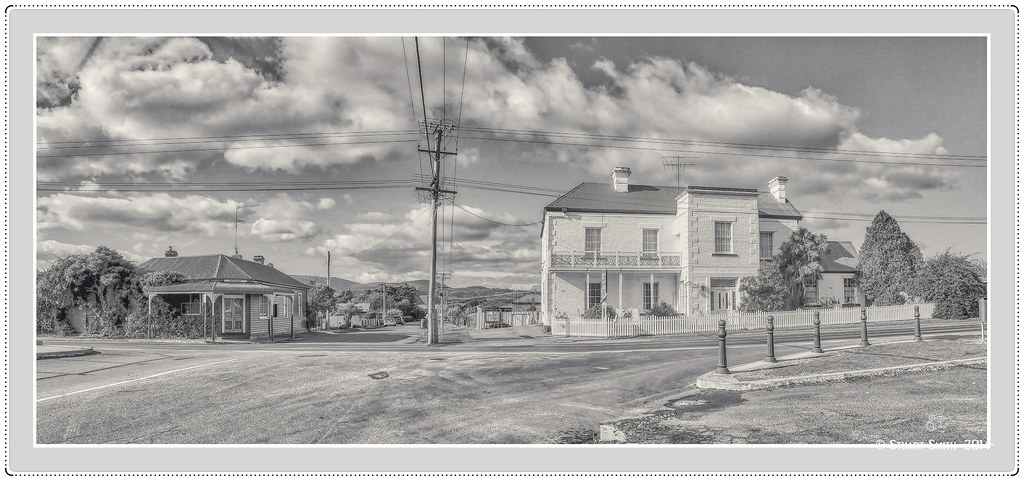
Tasmania's state government is working through a structured audit of its digital image holdings after an internal review found widespread duplication across departmental websites, tourism portals and public records systems, a problem that has been building for at least a decade and is now forcing a coordinated response.
The issue matters now because the Liberal government is mid-way through consolidating several major digital communication platforms, including the Service Tasmania online portal and the updated Brand Tasmania content library. Carrying thousands of duplicate images into those new environments inflates storage costs, complicates search indexing and, in the case of public-facing tourism content, risks presenting visitors with inconsistent or outdated representations of places like Freycinet National Park or the Hobart waterfront precinct at Sullivans Cove.
How the Duplication Built Up
The problem did not happen overnight. Through the 2010s, individual agencies, from the Department of Natural Resources and Environment Tasmania to Destination Southern Tasmania, each maintained separate content management systems with little coordination. When the state government rolled out successive website migrations, including a major platform shift around 2018, image assets were often bulk-imported without deduplication checks. A photograph of Cradle Mountain taken by a Parks and Wildlife Service contractor, for instance, could exist in three or four separate folders under different file names, each carrying different metadata or licensing terms.
Brand Tasmania, the state's official identity program based in Hobart, has been the primary agency tasked with rationalising the creative asset base since at least 2022. The program maintains a central image library intended to serve government departments, Tourism Tasmania and third-party licensees. Staff there have been working through a catalogue that, by the nature of how it accumulated, contains images acquired under varying copyright arrangements, some royalty-free, some licensed for limited use, some commissioned outright with full crown ownership.
The practical cost of ignoring duplication is real. Cloud storage for large image archives is not cheap, and licensing audits become significantly more expensive when the same image appears under multiple filenames with conflicting attribution records. Across the Australian public sector broadly, digital asset management reviews have found that duplicate and obsolete files can account for a substantial share of total storage overhead, a pattern that Tasmania's own review appears to confirm, though the state government has not publicly released specific figures from its internal audit.
What the Clean-Up Involves
The current process involves running deduplication software across shared drives, then manually reviewing flagged matches to confirm whether files are true duplicates or legitimate variants, a different crop of the same shot, for example, or an image updated to remove an outdated brand logo. Staff at the Digital Strategy and Services branch within the Department of Premier and Cabinet are involved in the technical side of this work.
Heritage imagery presents particular complications. The Tasmanian Archive and Heritage Office, located on Davey Street in Hobart, holds digitised historical photographs where duplication can reflect genuine archival practice, keeping a master file and a web-optimised derivative, rather than accidental redundancy. Those records require a different standard of handling, and the deduplication process has had to be calibrated to avoid collapsing archivally significant variants into a single file.
For organisations outside government that rely on Brand Tasmania's image library, regional tourism bodies like Tourism North East or operators advertising through the Tassie-branded travel portal, the practical advice for now is to re-download any images used in current campaigns once the audit concludes, expected later this year, to ensure the file they hold matches the current licensing record. Using an image drawn from a pre-audit download carries a small but non-trivial risk that its metadata or rights status has since been revised.
The broader lesson from Tasmania's experience is familiar to digital managers elsewhere in the country: asset governance that gets deferred during rapid platform migration tends to compound. The earlier a structured deduplication policy is embedded into content workflows, the less expensive the eventual clean-up becomes.