news
How Tasmania's Public Image Archive Ended Up Full of Duplicates, and What It Will Cost to Fix It
A years-long failure to enforce basic digital asset standards has left state government agencies, tourism bodies and heritage organisations holding thousands of redundant image files, and the cleanup bill is only now becoming clear.
How we reported this
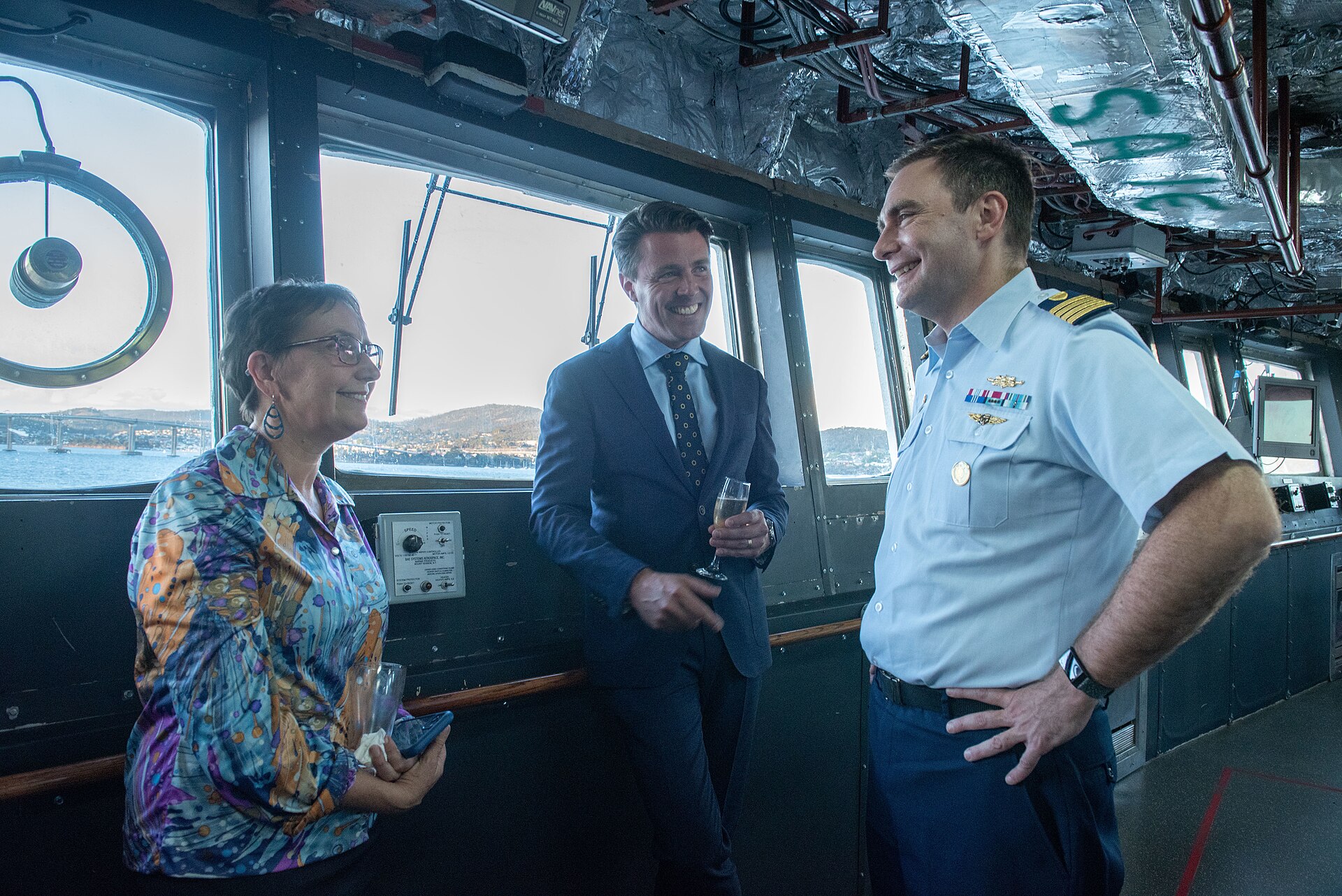
Tasmania's fragmented approach to managing official photography and digital imagery has produced a sprawling mess of duplicate files across at least a dozen state government agencies, with the problem now serious enough that the Department of Premier and Cabinet flagged it in internal asset management reviews conducted in late 2025. The core issue is straightforward: the same photograph, of Cradle Mountain, of Salamanca Place, of the Wellington Range from the Hobart waterfront, has been ingested, renamed and stored independently by separate bodies dozens of times over, consuming server capacity and making coordinated public communications increasingly unreliable.
The timing matters. The Liberal government is mid-way through a contentious infrastructure cycle that includes the AFL stadium precinct at Macquarie Point and continued negotiations over the Marinus Link undersea cable corridor. Both projects require substantial public-facing image campaigns, tender documentation and heritage impact photography. Discovering in the middle of that pipeline that your digital asset library cannot confirm which version of an image is authoritative, or whether it has already been licensed, is not a minor administrative nuisance. It is a live liability.
A Problem Built Over Years
The duplication crisis did not arrive suddenly. It accumulated across roughly fifteen years of agencies acquiring their own content management systems without a mandated central standard. Tourism Tasmania, based on Liverpool Street in Hobart, operates its own image portal and has done so since the mid-2000s. Parks and Wildlife Service, responsible for imagery of the Overland Track and South West Wilderness, built separate holdings. The Tasmanian Heritage Council maintains photographic records of listed sites. Across those bodies alone, independent audits conducted for the 2025 Digital Government Strategy review found significant overlap in holdings of iconic landscape photography, with some individual images appearing under three or more separate file names and licensing records.
The problem is compounded by Tasmania's heavy reliance on freelance and contract photographers rather than an in-house state photography service. When a contractor delivers a shoot of Port Arthur Historic Site or the Gordon Dam to two different agencies on two separate briefs, both agencies archive those files independently. Neither has historically been required to check whether the other already holds the same material.
The State Archives Office of Tasmania, located in Rosny Park, has been advocating for a unified digital asset register since at least 2022, but resourcing constraints and machinery-of-government changes slowed progress. The Digital Transformation and Innovation unit within the Department of Premier and Cabinet took over coordination of the project in early 2026, with a target of completing a whole-of-government image audit by the end of the 2025-26 financial year, a deadline that falls this month.
What a Cleanup Actually Involves
Deduplication is not simply a matter of deleting extra copies. Each stored image may carry a different rights record, a different metadata tag, or a different crop specification tied to a specific publication. Deleting the wrong version can strip a legally relevant licensing trail. Industry benchmarks from comparable state-level projects in Victoria and South Australia suggest that a thorough audit of a library in the range of 50,000 to 100,000 assets, the approximate scale estimated for Tasmania's combined holdings, costs between $180,000 and $350,000 when specialist digital archivists and rights clearance work are included.
The practical consequence for Tasmanians is less visible but real. Tourism campaigns that draw on unverified image pools risk using photographs with lapsed or ambiguous licensing. Heritage documentation submitted alongside development applications at places like Macquarie Point must use verified, dated photography to carry weight in any planning challenge. Getting that wrong can delay approvals or expose agencies to intellectual property claims.
Agencies have been advised to pause non-urgent image acquisitions until the audit is completed and a central asset register, currently being scoped by the Digital Transformation unit, is operational. Photographers and communications staff working with state bodies should confirm directly with their agency contact which image repository is being treated as the authoritative source while the review is finalised. The audit findings are expected to be presented to relevant departmental secretaries in August 2026, with a public summary to follow through the government's digital strategy reporting process.