news
Tasmania's Salmon Farms Hit Record Output in 2026
State's aquaculture sector expands significantly, but production surge raises fresh environmental impact questions.
Listen in English · 3 min
How we reported this
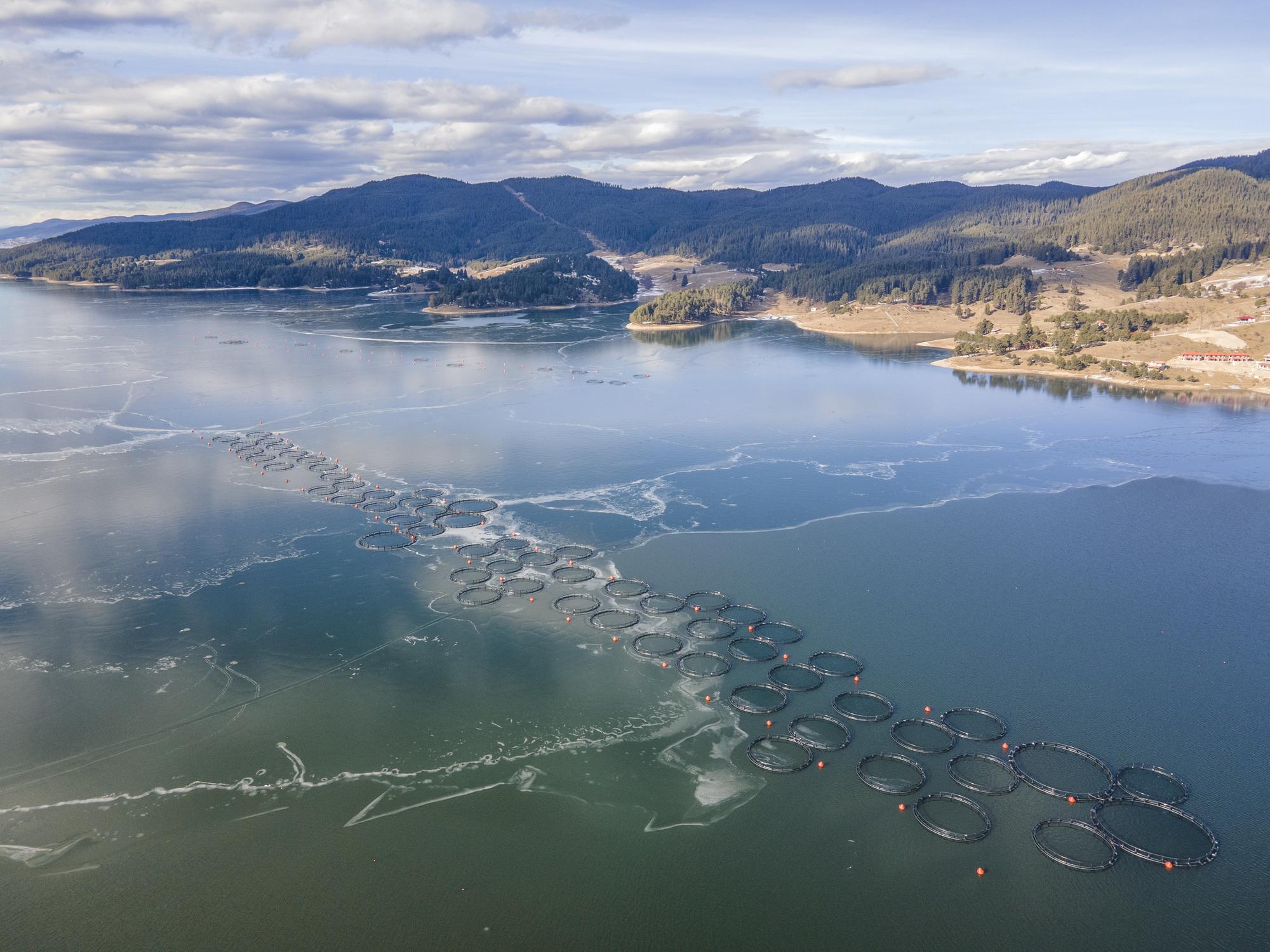
Tasmania's salmon aquaculture industry produced 58,000 tonnes of salmon in the 2024-2025 financial year, with the majority coming from farms in Macquarie Harbour and Storm Bay. This represents a 10% increase on the previous year, with the industry valued at around $750 million annually.
The growth of the salmon industry matters now because of ongoing concerns about environmental regulation and the impact of salmon farming on Tasmania's marine ecosystems. The Tasmanian Government has faced criticism for its handling of the industry, with some arguing that it has prioritised economic growth over environmental protection. As the industry continues to expand, there are questions about how it will be managed sustainably, particularly in sensitive areas like the Tasman Peninsula and the D'Entrecasteaux Channel.
In local terms, the salmon industry is a significant player in coastal communities like Dover and Strahan, where many people are employed directly or indirectly by the sector. Companies like Tassal and Petuna Seafoods have major operations in these areas, and the industry is also supported by organisations like the Tasmanian Salmonid Growers Association and the University of Tasmania's Institute for Marine and Antarctic Studies. The industry's growth has also led to investment in infrastructure, including the development of new processing facilities in Hobart and Devonport.
Key Statistics and Trends
According to data from the Tasmanian Government's Department of Natural Resources and Environment, the state's salmon industry has grown significantly over the past decade, with production volumes increasing by 50% since 2015. The industry is also a significant contributor to Tasmania's economy, with a recent report by the Australian Bureau of Statistics valuing it at $723 million in 2023-2024. However, the industry also faces challenges, including concerns about fish escapes, disease outbreaks, and the impact of salmon farming on wild fish populations. For example, a 2022 report by the Environment Protection Authority Tasmania found that salmon farming was responsible for around 40% of the state's marine pollution.
Looking ahead, the Tasmanian Government has announced plans to introduce new environmental regulations for the salmon industry, including stricter controls on fish escapes and waste management. The government has also committed to increasing investment in research and development, including a new $5 million funding package for the University of Tasmania's Institute for Marine and Antarctic Studies. As the industry continues to evolve, it will be important to monitor the data and statistics behind its growth, and to ensure that it is managed in a way that balances economic and environmental concerns. For now, the focus is on ensuring that the industry's expansion is sustainable, and that it benefits both the economy and the environment of Tasmania.