news
Tasmania's Archives Overflow With Duplicate Images, Officials Demand Action
From Hobart's waterfront to the Tamar Valley, government agencies and cultural institutions are grappling with a growing crisis in digital image management, and the people who know the problem best are getting vocal.
How we reported this
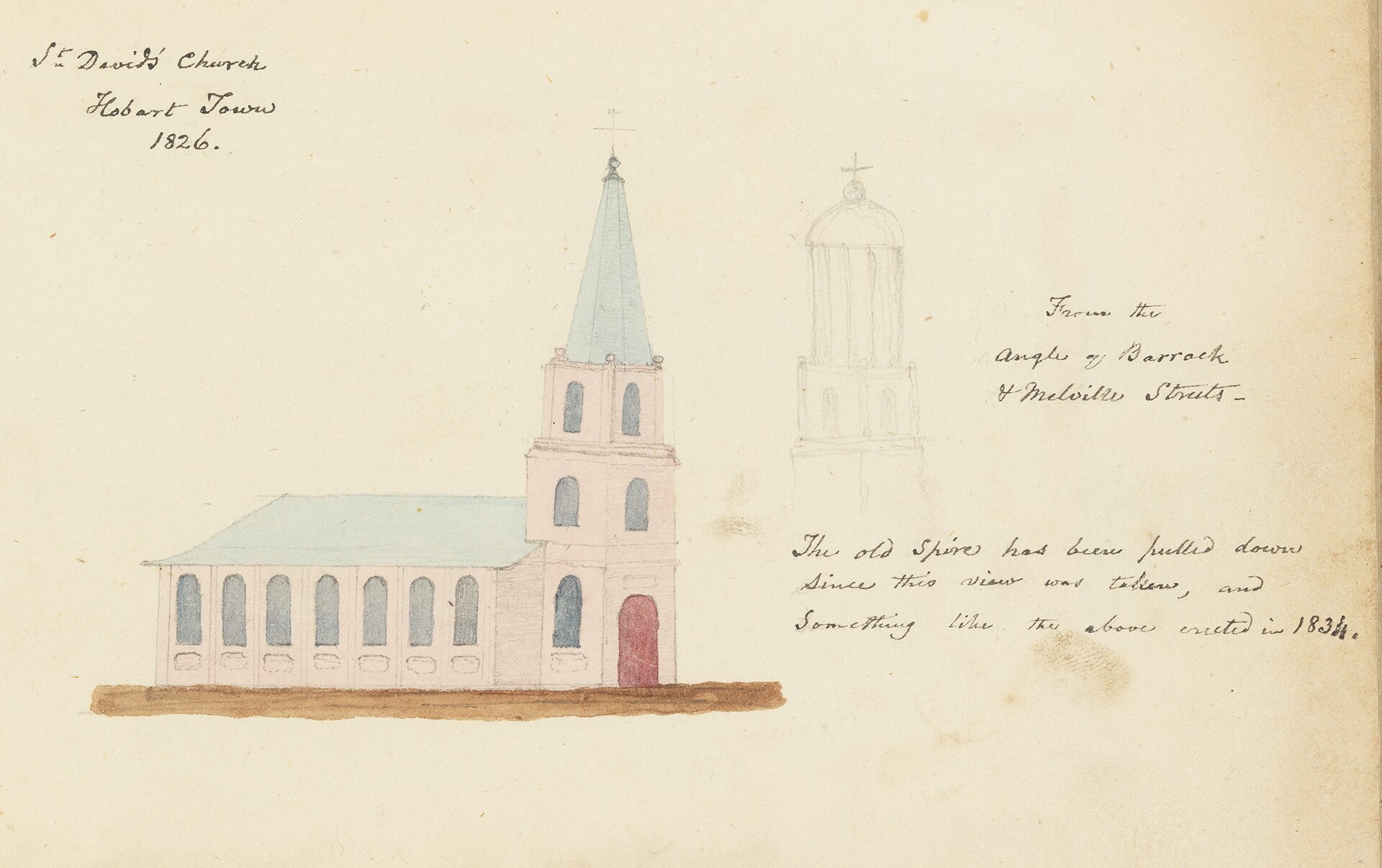
Tasmania's public-sector image libraries contain thousands of duplicate photographs, with heritage bodies, tourism agencies and local councils holding multiple versions of the same shots across poorly connected databases, and the people responsible for fixing it say the problem is worse than most administrators want to admit.
The issue has moved from an internal housekeeping concern to a public-interest question largely because of money and accountability. The Tasmanian Government's own digital asset review, conducted through the Department of Premier and Cabinet earlier this year, flagged duplicate imagery as a core driver of wasted storage spend and licensing confusion. When agencies pay per-image licensing fees, standard practice for commercial stock, holding five copies of the same photograph of Wineglass Bay means paying for it five times.
Who Is Raising the Alarm
Tourism Tasmania, which operates out of its Elizabeth Street offices in Hobart's CBD, is among the agencies most directly affected. The organisation maintains one of the largest publicly funded image libraries in the state, covering everything from the kunanyi/Mount Wellington snow line to the working wharves of Strahan. Internally, staff have been flagging the duplicate problem for at least two years, with the agency understood to have commissioned a cataloguing audit in late 2024 to establish the full scope of redundant files.
The Tasmanian Museum and Art Gallery on Dunn Place has a separate but parallel headache. TMAG's digital collection spans more than 300,000 records, and the museum has publicly acknowledged in its annual operational reporting that image deduplication remains an unresolved item in its collections management roadmap. The problem is not unique to Tasmania, the Australian Institute for the Conservation of Cultural Material has noted nationally that under-resourced regional institutions face disproportionate backlogs, but the island state's fragmented agency structure makes cross-government coordination harder than it might be elsewhere.
Professionals working in digital asset management point to a specific structural cause: Tasmania's agencies often built their image libraries independently, using different content management systems, with no shared metadata standards. When those libraries are partially merged or linked, as happened when the former Tasmania Online portal was restructured, duplicates multiply rather than consolidate.
What a Fix Would Actually Require
The practical path forward is not cheap or quick. Industry practitioners say a credible deduplication project for a mid-sized government image library, several hundred thousand files, typically requires between six and eighteen months of specialist contractor time, depending on how well the original metadata was applied. For a state with a tight capital budget, that represents a real commitment.
The Libraries Tasmania network, which holds digitised historical photographs across its collections including the Allport Library and Museum of Fine Arts on Murray Street in Hobart, has adopted a phased approach. Rather than attempting a full-library deduplication in a single project, it has prioritised high-traffic collections, images requested most frequently through its online portal, and worked outward from there. That model is now being cited by digital archivists elsewhere in the state as a sensible template.
Councils are also in the picture. Launceston City Council's communications team, which manages imagery for both internal use and public-facing content across the Tamar Valley region, began a structured image audit in the first quarter of 2026 following a software migration. Early results from that process, described in council committee papers tabled in March, found approximately 30 per cent of stored images were either exact duplicates or near-identical variants with different file names, a figure that surprised even the councillors who reviewed the report.
The question now is whether agencies act independently or wait for a coordinated statewide standard. Digital archivists and records professionals who follow the issue argue that a statewide metadata framework, ideally one that aligns with the national standards maintained by the Australian Government's Digital Transformation Agency, would deliver the most durable result. Without it, individual fixes risk creating new silos. The Department of Premier and Cabinet has not yet publicly confirmed a timeline for any cross-agency policy response, but the digital asset review it commissioned suggests the groundwork for one is at least under way.