news
How Tasmania's Public Image Archive Ended Up Flooded With Duplicates, and What It Cost to Ignore It
Years of inconsistent digital asset management across state government agencies have left Tasmania's official image libraries bloated, contradictory, and overdue for a reckoning.
How we reported this
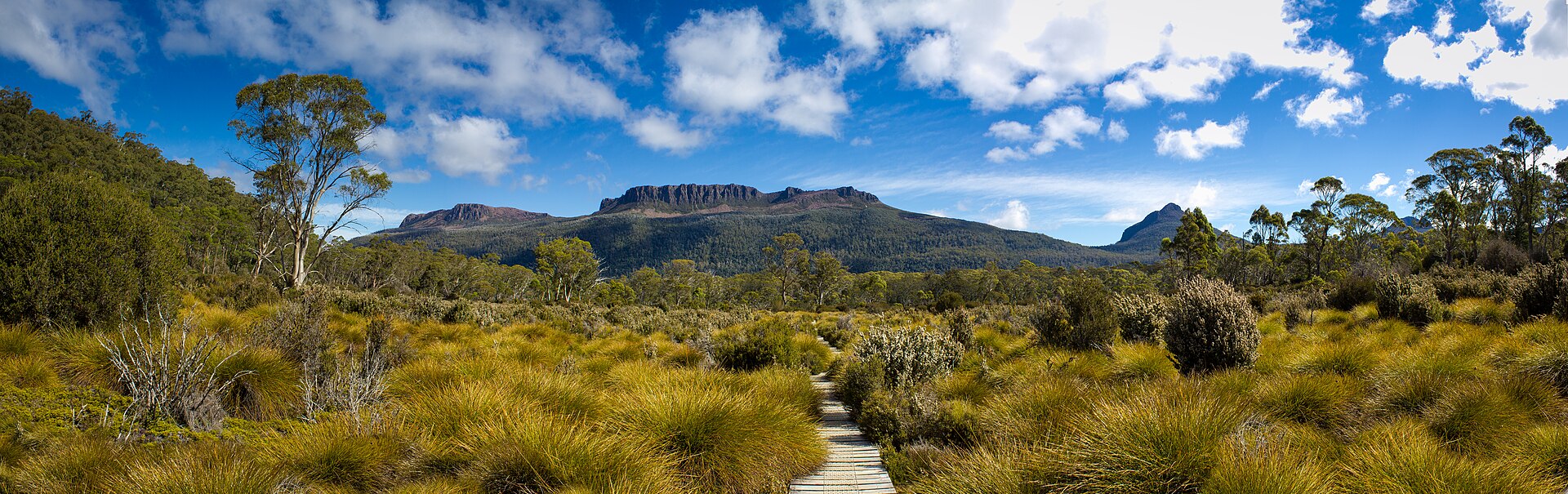
Tasmania's state government is confronting a sprawling, years-old problem in its public communications infrastructure: duplicate images saturating official digital archives have corrupted search results, inflated storage costs, and pushed outdated or misleading visuals into active use on agency websites. The issue, which affects departments ranging from Tourism Tasmania to the Department of Natural Resources and Environment, has been quietly escalating since at least 2019, when a cross-agency audit flagged early warning signs that were never formally acted upon.
The timing matters. With the Liberal government under Jeremy Rockliff navigating simultaneous controversies, cost blowouts on the proposed Macquarie Point AFL stadium, the drawn-out Marinus Link undersea cable project, and continued pressure over salmon aquaculture regulation in Macquarie Harbour, the quality and accuracy of public-facing communications has become politically loaded. An image library that surfaces outdated aerial shots of construction sites, or serves up stock photographs replaced years ago after cultural sensitivities were raised around Aboriginal land return, is not a minor housekeeping matter. It is a reputational exposure.
How the Archive Got Here
The root problem is structural. Before 2018, individual Tasmanian government agencies maintained separate digital asset management systems with no enforced naming conventions, metadata standards, or deduplication protocols. When Services Tasmania began consolidating departmental web infrastructure onto a shared platform hosted at its Hobart data centre on Davey Street, image libraries were migrated in bulk rather than curated. Duplicates, sometimes three or four versions of the same photograph at different resolutions, with conflicting file names and contradictory metadata, came across intact.
Tourism Tasmania, which maintains one of the largest photographic libraries of any state body in Australia with tens of thousands of licensed images covering locations from Cradle Mountain to the Tasman Peninsula, ran its own parallel system. When the agency updated its brand guidelines in 2021 and commissioned a new photography round, the old images were archived rather than deleted. Both sets remained searchable and both remained in active rotation on agency-facing content tools. Web editors pulling images for regional tourism campaign pages, covering areas like the Huon Valley and the East Coast tourism corridor, regularly encountered near-identical photographs taken years apart, with no clear guidance on which was current or cleared for use.
The Department of Natural Resources and Environment Tasmania faced a sharper version of the same issue after environmental regulation of salmon farming intensified post-2022. Photographs of Macquarie Harbour taken during lower-scrutiny periods were tagged with the same descriptors as more recent imagery taken under changed regulatory conditions. Without active curation, the archive became a source of ambiguity at precisely the moment clarity was most needed.
The Cost of Inaction
Storage costs alone are not trivial. Cloud storage pricing for large unmanaged government archives typically compounds annually, and unstructured asset libraries containing redundant files at multiple resolutions represent direct waste. A 2023 review by the Tasmanian Audit Office of broader digital services efficiency, not targeting image archives specifically, but covering shared platform costs, noted that unmanaged data growth across agencies was contributing to escalating infrastructure expenses, though it did not publish a specific figure attributable to image duplication alone.
The problem also has a compliance dimension. Some images in older archive layers were licensed for limited use or for specific campaigns only. With duplicates scattered across multiple folders and systems, rights-managed photographs have in some cases remained discoverable and downloadable by agency staff long after licence expiry dates, a liability exposure that legal teams at several departments have since flagged internally.
The path forward involves a combination of automated deduplication tooling, enforced metadata standards, and a human curation layer for high-sensitivity categories including Aboriginal cultural imagery and environmental documentation. Services Tasmania has been working with the Digital Strategy and Technology Services unit on a remediation framework, with a phased rollout expected to begin with Tourism Tasmania's archive before extending to other agencies. Agencies have been advised to conduct manual reviews of any image selected for external publication in the interim, a slow fix, but a necessary one given how long the underlying problem took to accumulate.