news
How Tasmania's Public Image Archive Ended Up Riddled With Duplicates, And What It Takes to Fix It
Years of siloed government departments, rushed tourism campaigns and under-resourced libraries left the state's digital photo collections in a tangle that archivists are only now beginning to unwind.
How we reported this
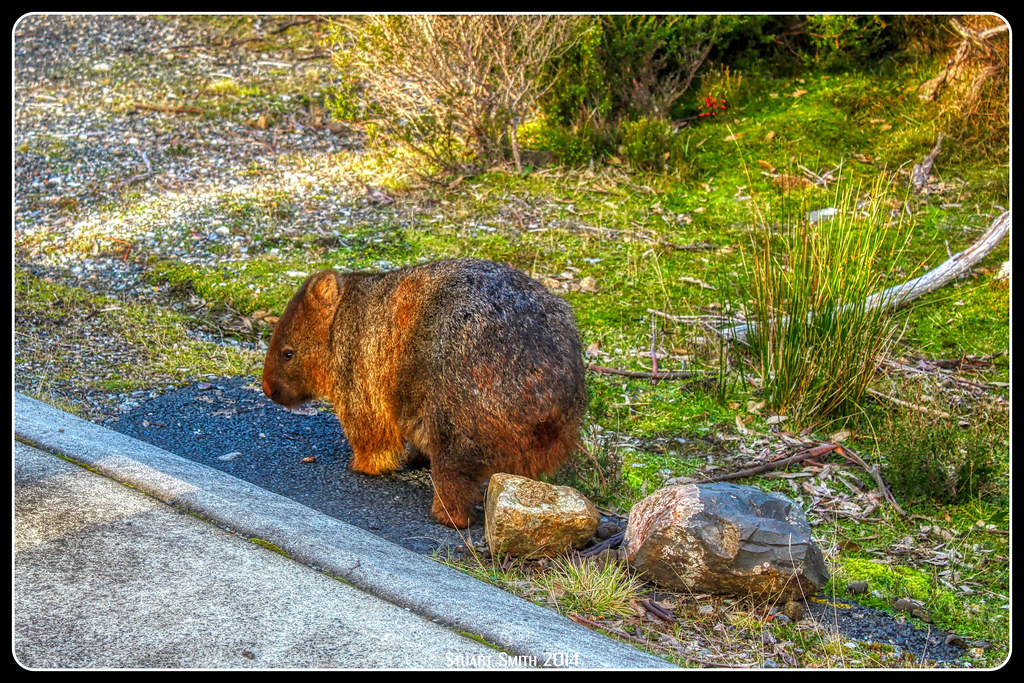
Tasmania's official digital image holdings, spread across at least three separate state government repositories, contain thousands of duplicate photographs, a problem that archivists and digital records managers have been quietly working to address since the Libraries Tasmania digitisation push began in earnest around 2019. The duplication isn't trivial. A single iconic shot of Cradle Mountain under snow can appear under four different file names, two different copyright attributions and at least two conflicting date records, depending on which agency uploaded it first.
The issue matters now because the Liberal government's current tourism infrastructure investment drive is forcing multiple agencies to share and publish visual content at a pace the underlying systems weren't built to handle. When Tourism Tasmania, the Department of Natural Resources and Environment Tasmania, and Libraries Tasmania are all drawing from overlapping asset pools without a unified metadata standard, duplicate images don't just waste storage, they create genuine legal exposure around licensing, and they erode the integrity of the historical record.
How the Mess Accumulated
The roots go back to the early 2000s, when individual Tasmanian government departments began digitising independently. The former Department of Primary Industries, Parks, Water and Environment, restructured and renamed several times since, ran its own photo library for national park assets. Tourism Tasmania maintained a separate commercial-use library for campaign imagery. The State Library of Tasmania, now part of Libraries Tasmania and based on Murray Street in Hobart, held the formal archival collections. None of these systems talked to each other in any meaningful way.
By the mid-2010s, the problem was compounding. The explosion of smartphone photography meant public servants were uploading field images directly to shared drives, bypassing any cataloguing process entirely. The Tasmanian Archive and Heritage Office, which operates under Libraries Tasmania, flagged the duplication issue formally in its 2018-19 annual report, noting that inconsistent metadata standards were making collection audits increasingly difficult. Procurement of a new digital asset management system was discussed but not funded in that budget cycle.
The AFL stadium controversy added its own wrinkle. From 2022 onward, as debate over the Macquarie Point stadium site intensified, government communications teams were generating large volumes of render images, site photographs and heritage documentation of the Hobart waterfront precinct. Some of that material overlapped with Libraries Tasmania's existing Sullivans Cove heritage collection. Archivists reportedly flagged instances where recent government-produced images were being logged without cross-referencing older holdings, creating parallel records of the same physical locations.
The Technical and Human Cost
Duplicate image replacement, the process of identifying redundant files, selecting a canonical version, updating metadata, and retiring the others, is labour-intensive work. A 2023 report from the Australian Society of Archivists estimated that deduplication projects in mid-sized public sector collections typically require between one and three hours of skilled labour per resolved duplicate cluster, depending on the complexity of the rights and provenance questions involved. For a collection running to tens of thousands of affected records, that arithmetic is sobering.
Libraries Tasmania's Hobart campus on Murray Street and the Launceston branch on St John Street both house physical and digital collections that feed into the broader state archive. Staff at both sites have been working through a staged deduplication project, prioritising records tied to active public inquiries, including Aboriginal land return documentation, where photographic evidence of sites carries particular legal weight, over general tourism imagery.
The practical upshot for anyone relying on the state's public image repositories right now is caution. If you're a researcher, journalist, or government communicator pulling photographs from the Libraries Tasmania catalogue or the Tourism Tasmania media hub, check the upload date, the credited photographer, and the rights status before publishing. Cross-reference against the Tasmanian Archive and Heritage Office finding aids where the subject involves heritage sites or Crown land.
The longer-term fix, a single, interoperable digital asset management platform for all state agencies, remains unfunded in the 2026-27 budget as tabled. Digital records managers have been told to continue the manual deduplication process in the meantime, working through the backlog collection by collection.