news
Tasmania's Salmon Aquaculture Industry Faces Latest Developments and What Happened This Week
A closer look at the recent events and updates surrounding the salmon aquaculture industry in Tasmania, including environmental concerns and regulatory changes.
Listen in English · 3 min
How we reported this
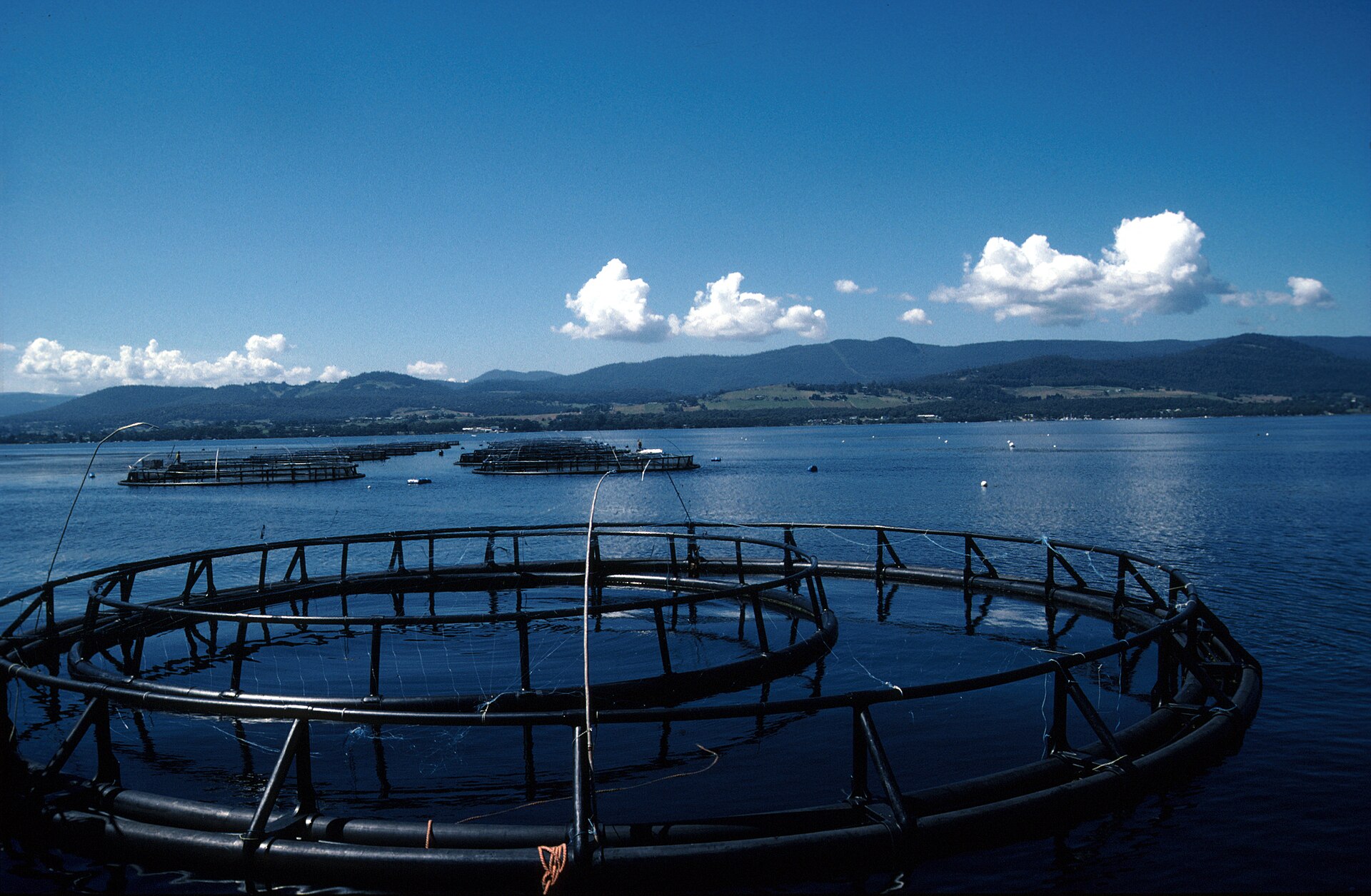
This week, the Tasmanian government announced plans to increase regulations on the salmon aquaculture industry, following concerns over environmental impacts and fish escapes. The move comes after a series of incidents, including a major fish escape at a salmon farm in Macquarie Harbour, which raised concerns about the industry's effects on the marine ecosystem.
The salmon aquaculture industry is a significant contributor to Tasmania's economy, with major companies such as Tassal and Huon Aquaculture operating in the state. However, the industry has faced criticism over its environmental record, including concerns about water pollution, habitat destruction, and the impact of escaped fish on wild populations. The Tasmanian government has faced pressure to increase regulations on the industry, particularly in light of the state's reputation for pristine wilderness and natural beauty.
Local Impacts and Concerns
In recent years, concerns have been raised about the impact of salmon farming on local communities, including those in Strahan, Dover, and Hobart. The Tasmanian Conservation Trust has been vocal about the need for stricter regulations, citing concerns about the industry's effects on the marine environment and the potential risks to human health. Meanwhile, the Tasmanian Salmonid Growers Association has argued that the industry is committed to sustainable and responsible practices, and that increased regulations could harm the state's economy.
According to data from the Tasmanian Department of Primary Industries, Parks, Water and Environment, the salmon aquaculture industry produced over 58,000 tonnes of salmon in 2022, with a value of around $290 million. However, the industry has also been associated with significant environmental costs, including the release of nutrients and sediments into the water column, and the potential for escaped fish to interact with wild populations. A report by the University of Tasmania found that the industry's environmental impacts could be reduced through the implementation of more stringent regulations and monitoring programs.
As the Tasmanian government moves to increase regulations on the salmon aquaculture industry, it remains to be seen how these changes will affect the industry and local communities. The government has announced plans to establish a new regulatory framework, which will include stricter rules around fish escapes, water quality, and habitat protection. The changes are expected to come into effect later this year, and will be accompanied by increased monitoring and enforcement efforts. In the meantime, local communities and industry stakeholders will be watching closely to see how these developments unfold, and what they will mean for the future of the salmon aquaculture industry in Tasmania.