news
Tasmania Tackles Duplicate Files Choking Government Image Archives
Years of fragmented digital storage across government agencies have left Tasmania's official image libraries bloated with duplicate files, and a long-overdue cleanup is now underway.
How we reported this
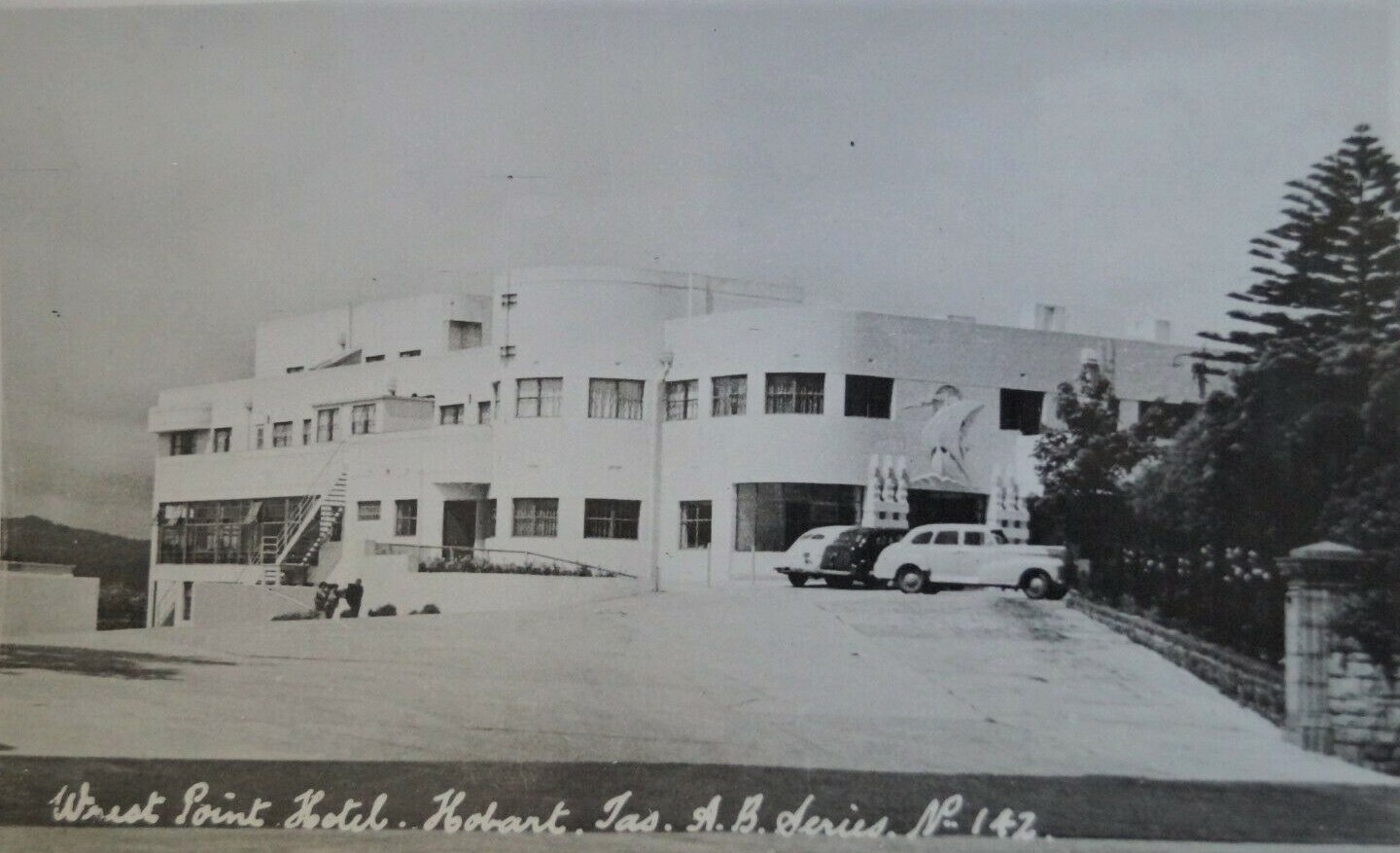
Tasmania's state government is working through a backlog of duplicate images spread across at least a dozen departmental digital asset libraries, a problem that accumulated quietly over more than a decade of siloed IT procurement and has now grown large enough to warrant a dedicated remediation project. The effort, which involves the Department of Natural Resources and Environment Tasmania alongside the broader Digital Strategy unit within the Department of Premier and Cabinet, is the most systematic attempt the state has made to address what archivists have long called a structural flaw in how Tasmanian agencies manage visual media.
The issue matters right now for a practical reason: Tasmania's government is spending more than it ever has on promotional content. Tourism Tasmania's 2025-26 budget allocation for marketing and content production sits within a broader $22 million Visitor Economy Strategy commitment, and every dollar spent producing an original image that already exists somewhere in a government folder represents money wasted. With the Tasmanian Visitor Information Network running physical outlets from Cradle Mountain to the Hobart waterfront at Franklin Wharf, and digital channels demanding fresh imagery on a near-daily cycle, the duplication problem directly inflates costs.
How the Libraries Got This Way
The roots of the problem go back to roughly 2011, when individual agencies began building their own digital asset management systems without a shared taxonomy or centralised storage mandate. Parks and Wildlife Service, for instance, maintained its own repository for wilderness photography covering places like Freycinet National Park and the Southwest Conservation Area. Tourism Tasmania held a separate commercial library. Brand Tasmania, established as a distinct entity in 2019, began a third collection. Each time a photographer was commissioned for a shoot, say, aerial footage of the Huon Valley or waterfront scenes at Constitution Dock, the resulting files were delivered to whichever agency paid for them and stored without cross-referencing against existing holdings.
A 2023 internal audit, details of which were tabled in a submission to the Joint Standing Committee on Environment, Resources and Development, found that some individual images existed in as many as seven separate departmental folders, each carrying different metadata, file names, and compression levels. The audit covered roughly 340,000 digital image files held across six agencies. That figure has since grown as new material is added faster than old duplicates are removed.
The State Records Office of Tasmania, which operates under the Archives Act 1983, has formal authority over public records but digital images in active operational use have historically fallen into a grey zone, managed by agencies rather than transferred to the Tasmanian Archive and Heritage Office on Davey Street in Hobart. That jurisdictional ambiguity allowed the duplication problem to compound year after year without a single team being accountable for fixing it.
The Remediation Plan Taking Shape
The current project involves deploying hash-matching software to flag visually identical or near-identical files, followed by human review by a small team based at the Macquarie Street government offices in the CBD. The process is expected to run through to at least December 2026, according to publicly available procurement notices for the associated software licensing contracts. Once canonical versions of images are identified, metadata will be standardised against the Dublin Core schema and files migrated into a single whole-of-government digital asset management platform.
For Tasmanians, the practical downstream effect should be more coherent government communications, fewer instances of the same Wineglass Bay photograph appearing with conflicting captions or outdated agency branding across different departmental websites. For the agencies involved, the expectation is a measurable reduction in storage costs and in the time staff spend searching for usable images before campaigns go live.
The harder question is whether the new centralised system will be maintained consistently once the initial cleanup is done. Previous attempts at shared cataloguing, including a 2016 whole-of-government content pilot that quietly lapsed within two years, suggest the institutional habits that created the duplication problem in the first place will need more than new software to change. The Digital Strategy unit has flagged mandatory metadata compliance training for content staff as part of the rollout, with sessions scheduled to begin at the Hobart CBD offices before rolling out to regional offices in Launceston and Burnie by mid-2027.