news
Tasmania's Agencies Discover Thousands of Duplicate Digital Images, Costs Rise
State agencies and cultural institutions are sitting on thousands of duplicate digital images, and the cost of doing nothing is quietly mounting.
How we reported this
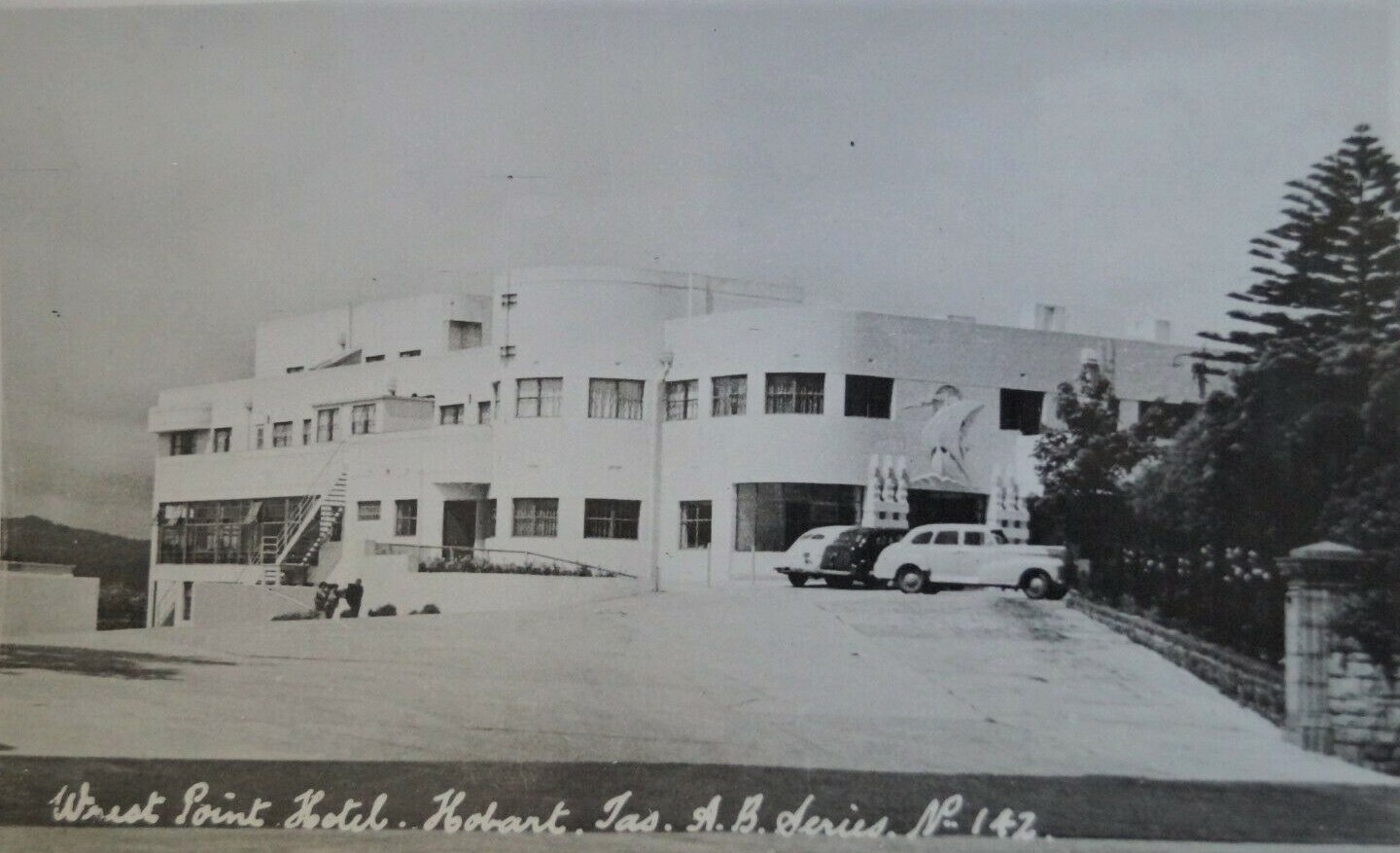
Tasmania's public sector is grappling with a measurable and growing problem buried inside its digital storage infrastructure: duplicate images are consuming server capacity, distorting public records, and costing agencies real money at a time when the Liberal government is under pressure to tighten operational budgets across the board.
The issue has sharpened this year as several Tasmanian institutions have moved to audit and clean their digital asset libraries ahead of planned system migrations. Duplicate image files, photographs, scanned documents, graphic assets, accumulate silently inside any organisation that lacks a centralised asset management policy, and the data suggests the problem inside government is larger than most administrators have publicly acknowledged.
What the Audits Are Turning Up
The Libraries Tasmania network, which holds digitised collections across sites including the State Library on Murray Street in Hobart, has been working through a multi-year digitisation and cataloguing effort covering tens of thousands of historical records. Duplication is an endemic byproduct of that kind of work: when scanning batches are run without real-time cross-referencing, the same image can enter a database two, three, or more times under slightly different file names or metadata tags.
Industry benchmarks from digital asset management research suggest that, in large institutional repositories without active deduplication tools, between 20 and 40 percent of stored image files can be duplicates or near-duplicates. Applied conservatively to a medium-sized state government archive holding, say, half a million image files, that translates to well over 100,000 redundant files occupying storage that is neither free nor cheap.
Cloud and managed storage pricing in Australia has settled broadly in the range of $0.02 to $0.05 per gigabyte per month depending on the provider and tier. A collection of 100,000 high-resolution TIFF or RAW image files, the formats archivists and cultural institutions favour for preservation quality, can easily run to 10 or 15 terabytes. At those volumes, storage costs for redundant files alone can reach tens of thousands of dollars annually for a single agency.
The Tasmanian Museum and Art Gallery on Dunn Place in Hobart is among the institutions known to have undertaken collections digitisation work in recent years. Organisations of that type routinely face the deduplication challenge when migrating between collection management systems, a process that can surface years of accumulated redundancy in a single project sprint.
The Practical Stakes for Public Records and Policy
Beyond the storage bill, duplicate images create genuine problems for public accountability. When the same photograph or scanned document appears in a government repository under multiple records, Freedom of Information responses, exhibition catalogues, and media asset requests can pull inconsistent versions, images at different resolutions, with different metadata, or tagged to different provenance records. That inconsistency matters particularly for collections related to sensitive areas like Aboriginal cultural material, where provenance accuracy is not a housekeeping question but an ethical and legal one.
The Tasmanian Aboriginal Centre and broader discussions around the return of cultural materials to Country have put renewed scrutiny on how state institutions manage and describe digital surrogates of physical objects. Duplicate or incorrectly tagged digital records can compound already contested questions about custodianship.
On the operational side, Tasmania's Department of Natural Resources and Environment Tasmania has maintained growing photographic and geospatial image libraries tied to environmental monitoring programs, including those covering salmon aquaculture sites in Macquarie Harbour and the Huon River valley. Deduplication within those working datasets is a data quality issue with downstream effects on environmental reporting accuracy.
For agencies planning system upgrades or cloud migrations in the second half of 2026, the practical advice from digital records specialists is consistent: run a deduplication audit before migrating, not after. Post-migration cleanup is significantly more expensive in staff hours and consultant fees. Tools such as perceptual hashing, software that identifies visually similar images regardless of file name, are now standard in commercial asset management platforms and available to government at relatively low cost. The upfront investment in a proper audit is almost always less than the compounded cost of carrying duplicates forward into a new system and managing the inconsistency problems they generate for years afterward.