news
Tasmania's Duplicate Image Archive Cost Thousands to Finally Fix
Years of ad hoc digital cataloguing across state government agencies left Tasmania's official image libraries bloated with repeated files, but the reckoning has been slow and expensive.
How we reported this
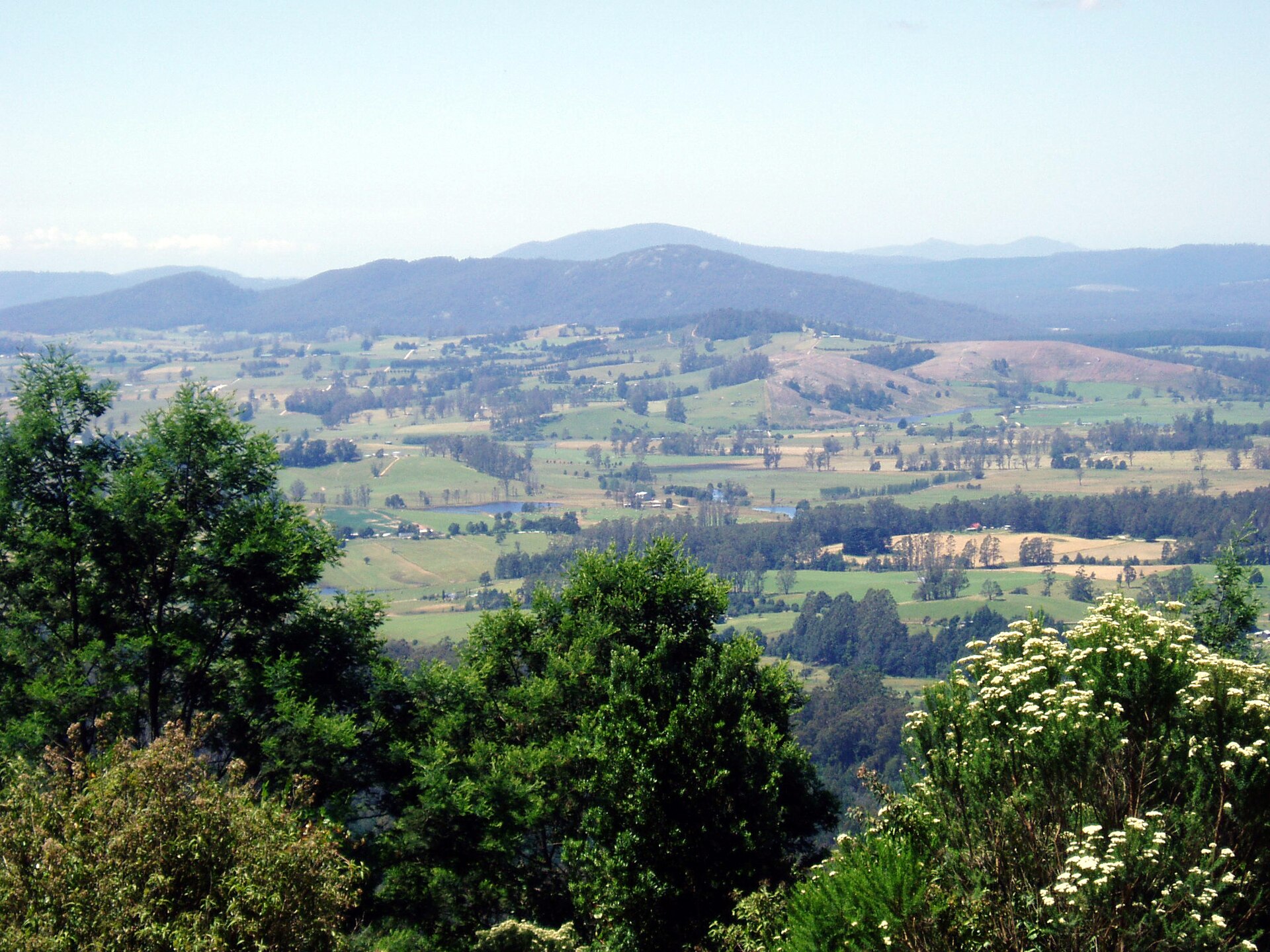
Tasmania's state government holds tens of thousands of photographs in its official digital archives, images of the Wellington Range, the Salamanca Markets, the Huon Valley's orchard rows, salmon farm operations on Macquarie Harbour. A significant portion of those files are duplicates, stored multiple times across different departmental servers, costing money and creating confusion about which version of an image is the authorised one.
The problem matters now because the Rockliff government's push to consolidate agency IT infrastructure, part of a broader digital modernisation drive that accelerated after the 2022-23 budget, has forced a systematic audit of what the state actually holds. That audit, conducted through Service Tasmania and the Department of Premier and Cabinet, has exposed how badly fragmented the cataloguing became during the rapid shift to remote working after 2020.
A Decade of Band-Aid Fixes
The roots go back further than the pandemic. When Tourism Tasmania relaunched its digital asset management system around 2016, individual agencies were encouraged but not required to align their own libraries to the same tagging conventions. Parks and Wildlife Service kept its own repository. The Department of Natural Resources and Environment Tasmania maintained another. Heritage Tasmania catalogued separately again. Each system had its own naming logic, its own folder hierarchies, its own assumptions about metadata.
By the time anyone looked closely, the same aerial photograph of Wineglass Bay might exist in six folders under six different filenames. A promotional shot taken on the Overland Track could sit uncredited in three separate agency drives. The duplication was rarely malicious, it was the natural result of staff emailing images to colleagues, downloading from shared drives, and re-uploading without checking whether a copy already existed.
Service Tasmania's internal review, completed in the first quarter of 2026, found that storage costs across the affected agencies had grown to a point where rationalisation would generate meaningful annual savings, though the government has not publicly released the specific figures. The review identified the Department of State Growth and the former Department of Primary Industries, Parks, Water and Environment as the two agencies with the most acute duplication problems, largely because both had absorbed functions from predecessor departments during machinery-of-government changes in 2020 and 2022.
The Replacement Process and What Comes Next
The practical challenge of duplicate image replacement is less about deleting files and more about establishing which copy is canonical. A photograph that has been cropped, colour-corrected, or watermarked by one agency may differ meaningfully from the original raw file. Simply running deduplication software, which flags files with identical checksums, misses those altered copies entirely.
The Tasmanian Archive and Heritage Office on Murray Street in Hobart has been drawn into the process because some images in agency libraries have historical significance that wasn't apparent when they were first uploaded. An uncredited photograph of the original Franklin River campaign materials, for instance, could have archival value that no automated tool would detect.
The government has engaged the Digital Transformation Agency framework, a Commonwealth program that state agencies can access under cooperative agreements, to provide technical guidance. Under that arrangement, Tasmania is expected to adopt a unified digital asset management platform across at least eight agencies by the end of the 2026-27 financial year.
For public servants working in communications roles at agencies like Parks and Wildlife Service or the Tasmanian Museum and Art Gallery on Dunn Place, the immediate practical step is straightforward: stop downloading images from shared drives and re-uploading them without checking the central catalogue first. The longer reform, building a single authoritative library with proper rights metadata, photographer credits, and usage restrictions, will take considerably longer and cost considerably more than the duplication problem it is meant to fix.
The state budget delivered in May 2026 allocated funding for the broader digital modernisation program, though Treasury has not broken out a specific line item for image archive consolidation. The work continues through the second half of this year, with a progress report expected before parliament resumes in February 2027.