news
Tasmania's Fragmented Archives Waste Thousands on Duplicate Image Files
Years of fragmented digital record-keeping across state agencies have left Tasmania's official image libraries riddled with redundant files, and the bill for fixing it is only now becoming clear.
How we reported this
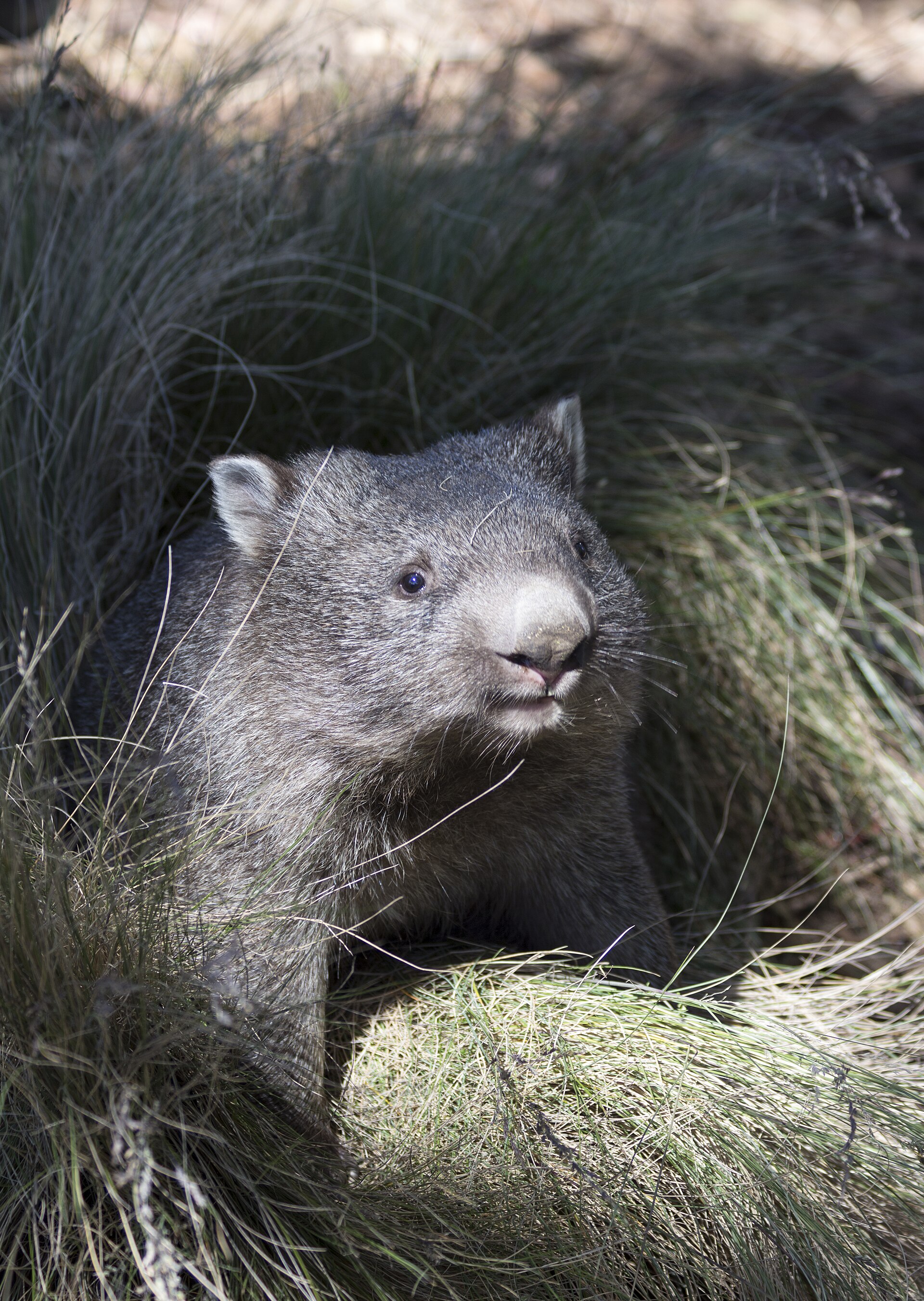
Tasmania's state government holds tens of thousands of digital images across at least a dozen agencies, tourism brochures, heritage records, planning documents, AFL stadium renders, and a significant portion of them are duplicates. That is the central finding driving a quiet but consequential overhaul of how Hobart's bureaucracy manages visual assets, a process that began in earnest after a 2024 audit of the Department of Premier and Cabinet flagged widespread redundancy across shared network drives.
The timing matters. The Liberal government is simultaneously managing cost pressures on the Macquarie Point Stadium project, defending spending on Marinus Link feasibility work, and trying to sharpen Tasmania's brand for interstate and international visitors. Carrying bloated, disorganised image archives is not just a storage problem, it creates legal risk around copyright, slows down communications teams, and means agencies sometimes publish the wrong version of a sensitive document image, including outdated maps of Aboriginal land return boundaries that have since changed.
How the Problem Accumulated Over Two Decades
The duplication issue did not arrive overnight. It grew from decisions made, or deferred, across successive governments going back to at least 2005, when Tasmania started migrating departmental records onto shared drives without any unified asset management policy. Tourism Tasmania, the Department of Natural Resources and Environment Tasmania, and the Aboriginal Land Council of Tasmania each built separate image repositories with overlapping content and no common naming convention.
By the time a formal review was commissioned in late 2024, the state's central digital asset environment contained multiple agencies storing versions of the same promotional photography of locations including Cradle Mountain, the Salamanca Market precinct, and the Gordon Dam. In several cases, three or four edited versions of a single photograph existed with no metadata indicating which was the approved final. A records management review presented to agency heads in early 2025 identified storage redundancy as a contributing factor in at least two published errors involving superseded imagery, including an outdated aerial of the Macquarie Point precinct used in a planning consultation document.
Parks and Wildlife Service Tasmania has its own photography catalogue running to an estimated 180,000 files, built up since the early 2000s. Cross-referencing that library against Tourism Tasmania's holdings, which sit in a separate Canto-based platform procured in 2021, revealed duplication rates that internal reviewers described in briefing documents as higher than anticipated, though the state government has not released a specific figure publicly.
The Replacement Process and Where Things Stand Now
The government's response has centred on a duplicate image replacement program being coordinated through the Office of the Secretary, Department of Premier and Cabinet, based on Murray Street in Hobart. The program involves hashing algorithms that compare image files across agency servers to identify near-identical copies, flagging them for human review before deletion or archiving. A contract for that software component was awarded in the second half of 2025.
The practical complications are real. Some duplicate images exist because different agencies commissioned separate shoots of the same location for different purposes, a Parks ranger photograph of Wineglass Bay taken for a biodiversity report is technically distinct from a Tourism Tasmania promotional version of the same scene, even if visually almost identical. Deciding which files to retain, which to archive to the State Records Office of Tasmania on Melville Street, and which to delete outright requires human judgement that automated tools cannot fully replace.
For Tasmanians, the most immediate practical consequence involves public-facing government websites. Agencies have been advised to audit image metadata on any page published before July 2024 and confirm that displayed images reflect current approved content, particularly for any pages referencing the Macquarie Point development, the Marinus Link corridor, or Aboriginal land boundaries. Those three topic areas were specifically flagged in the 2025 briefing as high-risk for outdated visual content.
The full duplicate replacement program is expected to complete its first pass by December 2026, with a second review cycle planned for mid-2027. Whether that timeline holds depends partly on agency resourcing, and partly on whether the government's broader digital reform agenda, which also encompasses the Service Tasmania shopfront network, stays a funding priority through the next budget cycle.