news
How Tasmania's Public Image Archive Ended Up Riddled With Duplicates, And What It Cost to Get Here
A slow accumulation of poor file management, agency mergers and rushed digitisation projects left the state's official image libraries in a tangle that is only now being untangled.
How we reported this
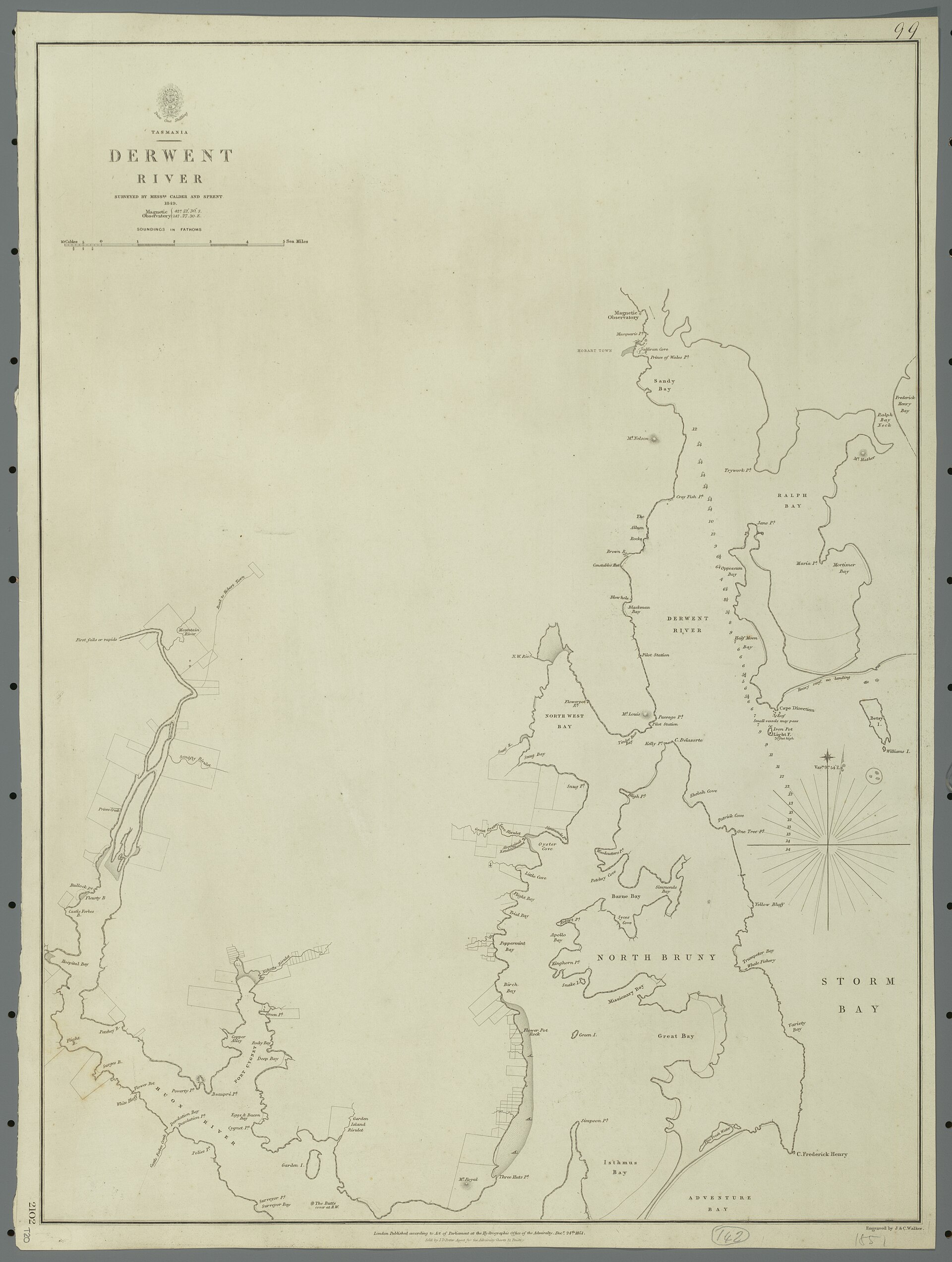
Tasmania's government-managed digital image repositories contain thousands of duplicate files, some photographs stored in as many as four separate locations across different agency servers, and the effort to replace and rationalise them has been years in the making. The problem did not arrive overnight.
The duplication crisis matters now because the Tasmanian Liberal government has committed to consolidating its digital infrastructure as part of broader cost-cutting measures tied to the 2025-26 Budget. Storage overheads, licensing fees for legacy content management systems, and staff hours spent manually identifying redundant files have all become line items that Treasury reviewers flagged as avoidable. The timing is pointed: the state is simultaneously defending the spiralling costs of the Macquarie Point stadium project and funding its share of the Marinus Link undersea cable, leaving little appetite for waste anywhere else in the capital works and IT ledger.
How the Duplication Built Up Over Two Decades
The roots of the problem stretch back to the early 2000s, when individual agencies, Tourism Tasmania, the Department of Natural Resources and Environment, and Parks and Wildlife Service among them, each built their own photo libraries with no shared standard for file naming, metadata or format. When machinery-of-government changes merged several of those bodies between 2014 and 2021, their image collections were transferred rather than integrated. Files landed on new servers still carrying old naming conventions. A photograph of Wineglass Bay shot for a 2009 tourism brochure might exist simultaneously in a TIFF on a Parks server in Hobart's Macquarie Street precinct, as a compressed JPEG in a Tourism Tasmania SharePoint folder, and as a low-resolution thumbnail in a now-orphaned content management system nobody has logged into since 2019.
The State Library of Tasmania, based on Murray Street in Hobart, has its own digitisation holdings that overlap with agency collections for any image that was also commercially published or deposited as part of a government record. Staff there have long flagged the duplication problem internally, but without a central authority to mandate a single authoritative version of each file, the issue compounded quietly.
A separate pressure came from the rushed digitisation push between 2020 and 2022, when pandemic-era remote working meant agencies needed online access to image assets they had previously kept on physical drives or CD-ROM archives. Files were uploaded quickly, with minimal curation. Industry observers have noted that comparable digitisation programs in other Australian jurisdictions allocated dedicated metadata review periods of at least six months; Tasmania's pandemic-era upload windows were frequently measured in weeks.
The Replacement Program and What Comes Next
The current duplicate-image replacement effort is being managed through the Department of Premier and Cabinet's Digital Strategy and Services division. The approach involves automated hash-matching tools that compare file checksums to identify identical or near-identical images, followed by human review to confirm which version, typically the highest resolution, best-documented file, becomes the canonical record. Duplicate entries are then replaced with a reference pointer to the master file rather than deleted outright, preserving audit trails that government record-keeping obligations under the Archives Act 1983 (Commonwealth) and the State's own Records Management Framework require.
The Tasmanian Archive and Heritage Office, which operates out of 91 Murray Street in Hobart, is involved in sign-off for any file that qualifies as a permanent state record. That requirement adds time to the process but also protects against the risk that a well-intentioned cleanup accidentally destroys a file with heritage or legal significance. Tourism Tasmania's collection alone runs to more than 80,000 licensed images, according to figures the agency has published in past annual reports, making the review a substantial undertaking even with automated tooling.
For Tasmanians working in government communications, design or public affairs, the practical upshot is a more reliable image search experience once the rationalisation is complete, fewer broken links, fewer instances of staff downloading a degraded copy when a high-resolution master exists somewhere in the system. The broader lesson is a familiar one in public sector IT: small decisions about file management made under deadline pressure have a habit of becoming large, expensive problems a decade later.