news
Tasmania's Government Spent Millions Fixing Bloated, Duplicate Image Archive
Years of ad-hoc digital uploads across state government agencies left Tasmania's official image library bloated, redundant, and increasingly unmanageable, here's the paper trail that explains how it happened.
How we reported this
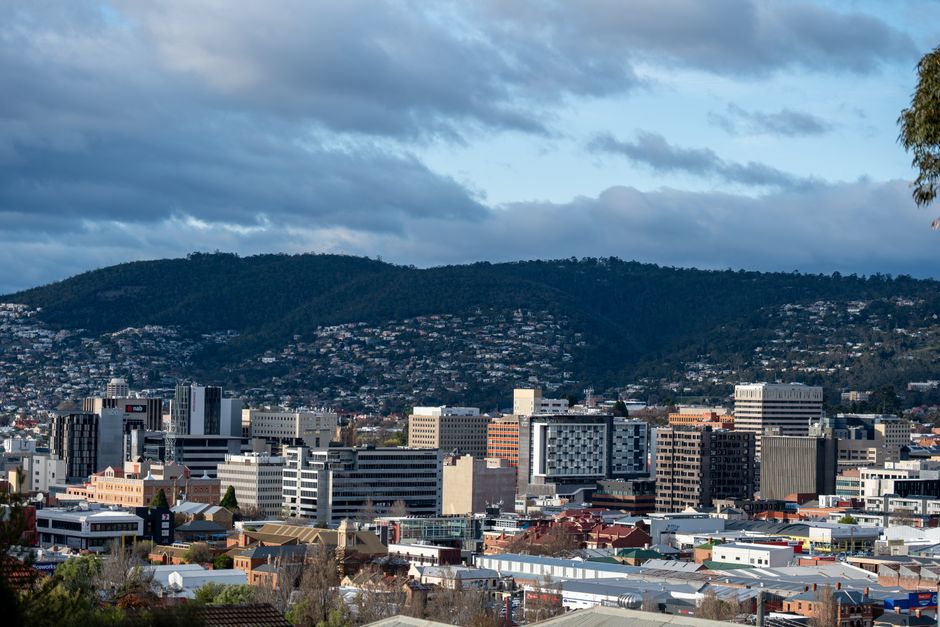
Tasmania's state government is currently midway through a system-wide audit of its digital asset holdings, after an internal review found that duplicated images across agency websites, tourism portals, and public communications databases had been consuming significant storage and complicating content management for nearly a decade. The review, initiated through Service Tasmania's digital transformation unit, identified the problem as structural rather than accidental, the product of how agencies were allowed to operate independently without a shared image registry.
The timing matters. With the Liberal government under Jeremy Rockliff deepening investment in tourism infrastructure, including upgrades along the Overland Track corridor and redevelopment discussions around Macquarie Street precincts in Hobart, the state's public-facing digital presence has come under heavier use than at any point since the early 2010s relaunch of Tasmania's brand strategy. More images, more campaigns, more agencies pulling in the same direction. And nobody, until recently, checking whether they were all uploading the same photograph of Wineglass Bay for the fifth time.
How the Problem Built Up
The duplication issue traces back to at least 2014, when individual agencies, including Tourism Tasmania, the Department of Natural Resources and Environment Tasmania, and Parks and Wildlife Service, began maintaining their own content management systems rather than feeding into a centralised repository. Each system had its own naming conventions. A sunrise shot over Cradle Mountain uploaded by a Parks ranger in Devonport could exist simultaneously under four different file names across three different servers, with no automated flag to catch the redundancy.
By 2019, Tourism Tasmania's digital asset library alone had grown to a scale that required a separate contractor review, according to publicly available procurement records from that period. The transition to cloud-based storage after 2020 compounded the issue: migration processes often duplicated entire folders rather than reconciling them, and the urgency of COVID-era digital communications left little room for housekeeping.
The practical consequences were real. Web editors at agencies including the Tasmanian Museum and Art Gallery on Dunn Place in Hobart and the Queen Victoria Museum and Art Gallery in Launceston reported spending significant time manually checking whether images they pulled from central repositories had already been published elsewhere, sometimes in different crops or colour treatments. Inconsistent visual branding across state government platforms became a recurring complaint in user experience reviews conducted between 2022 and 2024.
The Push for a Unified System
The current audit is the most structured attempt yet to address what the government's digital strategy framework, released in updated form in late 2024, described as a legacy infrastructure problem. The framework set a target of consolidating state agency digital assets into a single governed platform by mid-2027.
Part of that work involves what administrators are calling duplicate image replacement: identifying redundant files, selecting canonical versions, retiring the rest, and updating the internal links and metadata that point to them. It sounds mundane. In practice, it means touching thousands of individual records across systems that were never designed to talk to each other, at agencies spread from the Huon Valley to the northeast coast.
The cost of the broader digital consolidation project has not been disclosed as a standalone line item in budget documents available to this masthead, but the 2025-26 state budget allocated funds across several digital transformation programs under the Department of Premier and Cabinet. The Rockliff government has pointed to digital efficiency as part of its broader case for responsible fiscal management heading toward the next election cycle.
For agencies on the ground, the immediate next step is completing the image audit by the end of the third quarter of this year, ahead of a planned update to the state's content management platform in September. Web teams at Tourism Tasmania's Elizabeth Street offices in Hobart have been briefed on new upload protocols that require metadata tagging at the point of entry, the single change administrators believe will prevent the same problem from rebuilding itself within five years. Whether the September deadline holds will depend heavily on how quickly individual agencies can resource the reconciliation work alongside their existing communications loads.