news
Tasmania's Salmon Aquaculture Industry Faces Latest Developments and What Happened This Week
A closer look at the recent events and their impact on the local ecosystem and economy
How we reported this
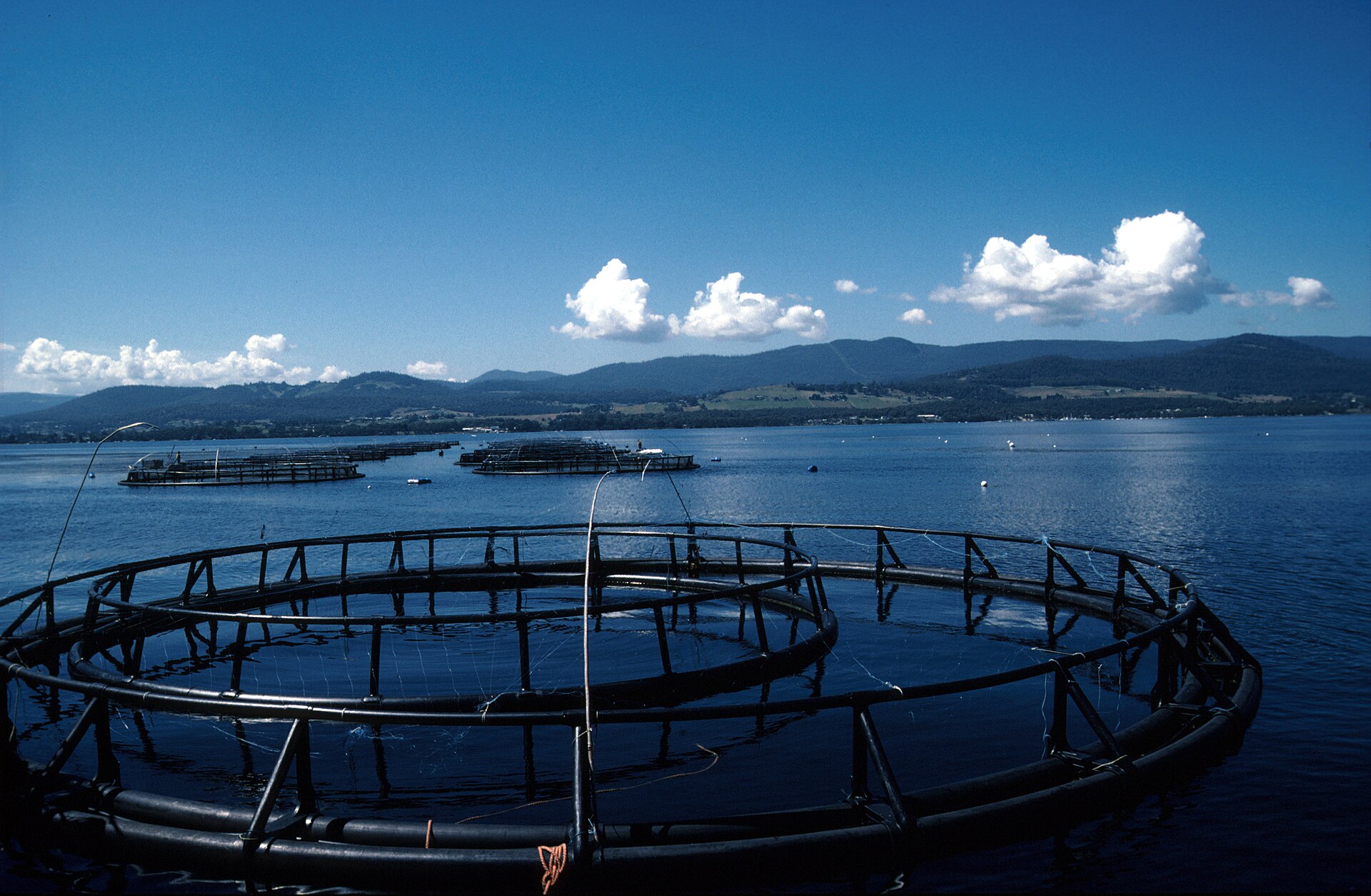
This week, the Tasmanian government announced a review of the salmon aquaculture industry's environmental regulations, sparking concerns among local communities and environmental groups. The review comes after a series of incidents, including a mass fish escape at a salmon farm in Macquarie Harbour, which raised questions about the industry's impact on the marine ecosystem.
The salmon aquaculture industry is a significant contributor to Tasmania's economy, with major players like Tassal and Huon Aquaculture operating in the state. However, the industry's growth has also led to concerns about its environmental impact, including the spread of disease and parasites among wild fish populations. The Tasmanian government's review of the industry's regulations is seen as a crucial step in addressing these concerns and ensuring the long-term sustainability of the industry. The review will be conducted by the Department of Primary Industries, Parks, Water and Environment, in consultation with industry stakeholders, environmental groups, and local communities.
Local Impacts and Concerns
In recent years, the salmon aquaculture industry has expanded its operations in various parts of Tasmania, including the Derwent River, Storm Bay, and the west coast. The industry's growth has led to the creation of jobs and economic opportunities in regional areas, such as Strahan and Dover. However, local communities have also raised concerns about the industry's impact on the environment and the potential risks to human health. For example, residents in the suburb of Lindisfarne, near Hobart, have expressed concerns about the potential for fish waste and chemicals from the salmon farms to contaminate the waterways and affect the local seafood industry.
According to data from the Tasmanian government, the salmon aquaculture industry produced over 58,000 tonnes of salmon in 2022, with a total value of around $290 million. The industry also supports over 1,000 jobs in the state, both directly and indirectly. However, a report by the Australian Conservation Foundation found that the industry's environmental impact is significant, with an estimated 20% of wild fish populations in Macquarie Harbour affected by disease and parasites. The report also noted that the industry's carbon footprint is substantial, with an estimated 150,000 tonnes of CO2 emissions per year.
As the review of the industry's regulations gets underway, local communities and environmental groups are calling for stronger measures to protect the environment and ensure the industry's sustainability. The Tasmanian government has announced that it will establish an independent panel to oversee the review and provide recommendations for improving the industry's environmental performance. The panel will include representatives from the University of Tasmania, the CSIRO, and the Australian Institute of Marine Science. The review is expected to be completed by the end of 2026, with the implementation of new regulations to follow in 2027.