news
How Tasmania's Public Image Archive Ended Up Full of Duplicates, and What It Cost to Get Here
Years of ad-hoc digital acquisitions, competing agency databases and no single statewide standard left Tasmania's official image libraries riddled with redundant files, now a coordinated replacement program is finally underway.
How we reported this
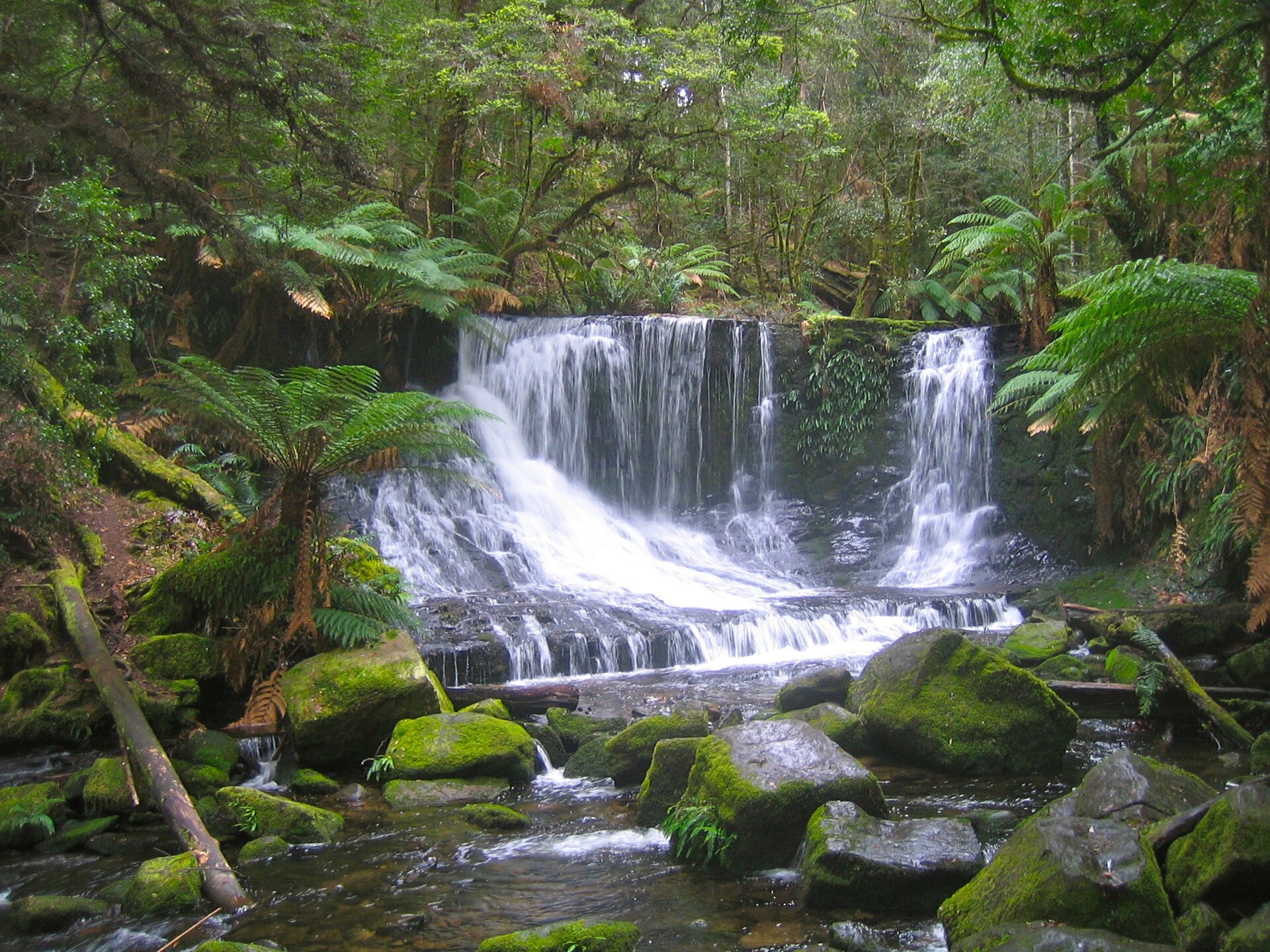
Tasmania's government holds tens of thousands of digital images across at least a dozen separate agency databases, and a significant portion of them are duplicates. The problem did not happen overnight. It accumulated across roughly two decades of digital transition, during which individual departments, from Parks and Wildlife Service to Tourism Tasmania, built their own storage systems with no obligation to cross-check what anyone else was holding.
The issue matters right now because the state government's broader digital infrastructure review, running through the Department of Premier and Cabinet since early 2025, identified redundant image assets as a direct cost driver. Storage licensing, manual cataloguing labour and the legal exposure that comes from holding unlicensed or expired-rights images all compound when files are duplicated across siloed systems.
How the Duplication Built Up
The trail leads back to the early 2000s, when Tasmanian government agencies began digitising photographic archives at their own pace and to their own specs. Tourism Tasmania, headquartered on Elizabeth Street in Hobart's CBD, built a media library aimed at the travel and hospitality sector. Parks and Wildlife Service, operating out of the Hobart waterfront precinct, maintained a separate set largely focused on reserve and threatened-species documentation. State libraries and the Tasmanian Archive and Heritage Office on Davey Street kept their own collections under different metadata conventions.
Each system made sense in isolation. The trouble came when shared infrastructure projects, the Marinus Link planning process, new AFL stadium environmental assessments, salmon aquaculture monitoring programs, required imagery contributions from multiple agencies simultaneously. Staff pulling assets from different repositories for the same project were, in many cases, duplicating the same base photograph under different file names, different compression settings and sometimes different rights assumptions.
The AFL stadium project, which has drawn repeated scrutiny over cost management, offered a clear example of the administrative friction. Environmental impact documentation submitted during planning consultations required image sets from at least four separate agency libraries, each formatted differently and none automatically deduplicated against the others. Legal review of image rights alone added weeks to that documentation cycle, according to the digital review's scope-of-work documents circulated within government in March 2025.
The Replacement Program Taking Shape
The current duplicate-image replacement effort is being coordinated through Service Tasmania's digital transformation stream, with the Tasmanian Government ICT Strategy providing the policy framework. The work involves three stages: audit, rationalisation and replacement upload. The audit phase, which wrapped up in late 2025, identified more than 40,000 image files flagged for review across the primary government content management systems.
Rationalisation, deciding which version of a duplicated image becomes the canonical file, has proven the slower phase. Metadata conflicts between Tourism Tasmania's library and the Tasmanian Archive and Heritage Office on Davey Street have required manual adjudication in hundreds of cases where two agencies hold nominally identical images with different recorded acquisition dates or photographer attributions. The TAHO alone manages records dating to the colonial period, meaning some disputes involve determining whether a modern digital scan supersedes a 1990s digitisation of the same physical photograph.
The replacement upload itself, pushing rationalised files back into active agency systems, is scheduled to run through the second half of 2026. Service Tasmania has not publicly confirmed a final completion date, and the project remains part of a broader digital infrastructure spend that the government has described in budget documents as a multi-year commitment.
For Tasmanians this has practical downstream effects. Government websites drawing on these libraries, including the Parks and Wildlife trail guides popular with hikers heading to the Overland Track out of Cradle Mountain, have periodically surfaced broken image links or low-resolution placeholders where rationalisation work disrupted live asset connections. Those gaps are expected to close progressively as replacement uploads proceed through the second half of this year. Agencies with active public-facing image needs have been advised to maintain local caches of critical assets until the consolidated library is confirmed stable.