news
Tasmanians Feel Excluded From Major Decisions On Stadium, Link, Salmon Rules
From Hobart's waterfront to north-west fishing communities, residents affected by Tasmania's biggest infrastructure and environmental decisions say they are asked to endure costs while someone else counts the benefits.
How we reported this
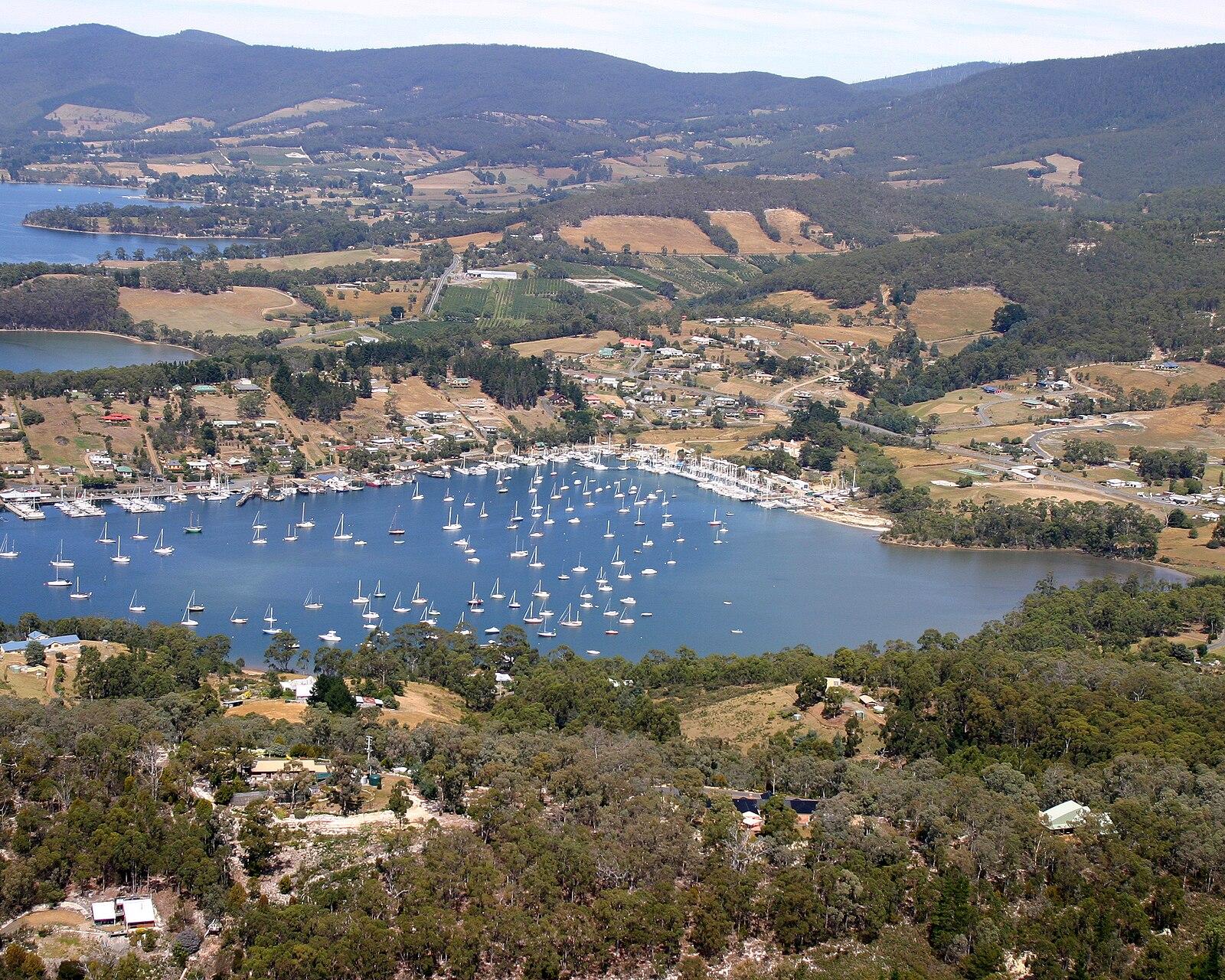
The costs keep climbing, the decisions keep arriving from Macquarie Street and federal offices in Canberra, and the people who live with the consequences are growing louder. Across the island this week, community members tied to three separate but converging flashpoints, the Macquarie Point AFL stadium, the Marinus Link undersea cable, and tightening salmon aquaculture rules, expressed a shared frustration: they feel consulted on paper but overruled in practice.
It matters now because all three issues have hit pressure points simultaneously. The Macquarie Point Development Corporation released updated cost projections for the AFL stadium in June that placed the public contribution above $775 million, a figure that has rattled residents who remember the project being sold to them in 2022 at roughly half that estimate. The Marinus Link, the proposed 1,500-megawatt undersea electricity cable connecting Tasmania to Victoria, is moving toward a final investment decision by late 2026. And the Environmental Protection Authority's revised salmon farming regulations, covering sites in Macquarie Harbour and the D'Entrecasteaux Channel, are due for a government response before the end of the financial year.
Stadium Costs Versus Community Needs in Hobart
At Macquarie Point itself, the former rail yards at the edge of Sullivans Cove, locals who walk the site daily describe a disconnect between the scale of the project and what surrounding suburbs like Wapping and Battery Point actually need. Residents have raised concerns at the Hobart City Council about pedestrian access, shadowing of the waterfront precinct, and the loss of what many hoped would become open public green space. The Macquarie Point Development Corporation held a community drop-in session at the Princes Wharf Shed in May, but several attendees later told community group meetings organised by the Hobart Residents Network that the session felt scripted. No binding commitments came from it.
The AFL stadium contract structure has added to the unease. Under the current framework, the Tasmanian state government carries the construction risk through a public-private partnership with the AFL and the as-yet-unlaunched Tasmania Devils franchise. The $775 million-plus public liability figure does not include ongoing operating subsidies, which independent analysts from the University of Tasmania's economics faculty estimated in March could reach $15 million annually within the first decade of operation.
Marinus and Salmon: Regional Voices from the North-West and Channel Country
On the north-west coast, communities around Burnie and Wynyard are watching the Marinus Link timeline carefully. TasNetworks and its federal partner AusNet have framed the cable as critical to national energy security and Tasmania's capacity to export renewable power. But tradies, farmers and small business operators in the Burnie CBD corridor say they have yet to see a clear local jobs plan that goes beyond construction-phase promises. The project's environmental impact statement process, which closed for public submissions in March, drew more than 2,400 responses, an unusually high number for a Tasmanian infrastructure EIS.
In the Huon Valley and along the D'Entrecasteaux Channel, the salmon debate cuts even deeper. Farming families and processing workers employed by Tassal, Huon Aquaculture's successor operations under Cooke Inc., and Petuna describe a regulatory environment they say is moving faster than it is communicating. The EPA's draft biosecurity and water quality standards, released for comment in February, propose stricter fallowing requirements and real-time monitoring at all sea-cage sites. Workers at the Huonville processing facility on Wilmot Road have told the Southern Tasmanian Workers Alliance they fear the new rules could reduce stocking densities enough to cut shifts within 18 months.
Environmental groups including the Wilderness Society Tasmania counter that the existing rules have already allowed measurable seagrass degradation in Macquarie Harbour, and that community members downstream, including recreational fishers and tourism operators on the Gordon River, are also stakeholders whose voices routinely get less airtime than industry lobbyists.
The state Liberal government under Premier Jeremy Rockliff has scheduled a community consultation forum on all three infrastructure themes for Hobart in late July, with a second session planned for Devonport in August. Residents who want to register for either session can do so through the Department of Premier and Cabinet's Your Say Tasmania portal before July 18. Community legal centres in Hobart and Launceston are also preparing plain-language summaries of submission rights for those unfamiliar with formal government consultation processes.