news
How Tasmania's Public Image Archive Ended Up Full of Duplicates, and What's Being Done About It
Years of siloed government departments, rushed digitisation programs and no shared naming convention left the state's visual record riddled with redundant files, and officials are only now untangling the mess.
How we reported this
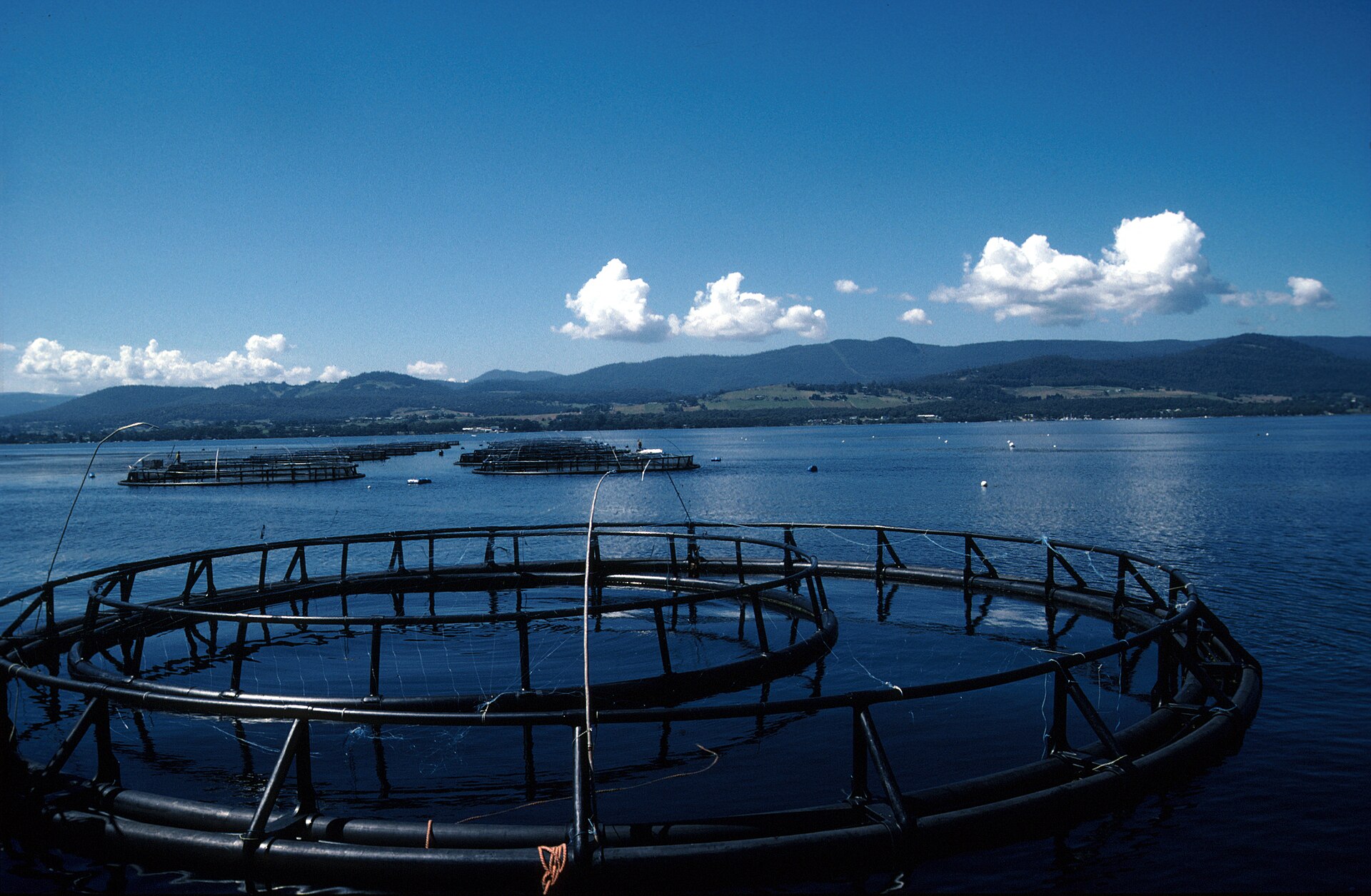
Tasmania's official digital image library, spanning everything from heritage photographs of Salamanca Place to promotional shots of the Cradle Mountain-Lake St Clair National Park, contains thousands of duplicate files, a problem that has quietly compounded over nearly two decades of piecemeal digitisation and is now forcing a coordinated state-level response.
The issue landed back in public conversation this week after the Tasmanian Archives and Heritage Office, based on Murray Street in Hobart, confirmed it was auditing holdings across multiple agencies as part of a broader digital asset management review. The timing matters. The state government is mid-way through several high-profile capital projects, the Macquarie Point stadium redevelopment, Marinus Link planning work, and a refresh of Tourism Tasmania's marketing collateral, each generating substantial volumes of new photography. Without a clean base to build from, those new assets risk disappearing into the same tangle.
How the backlog built up
The roots of the problem stretch back to the early 2000s, when individual Tasmanian government departments began digitising physical photograph collections independently, using whatever software was available at the time and with no common metadata standard. Parks and Wildlife scanned slides from Freycinet and Ben Lomond separately from Heritage Tasmania's work on convict-era material from Port Arthur. Tourism Tasmania built its own image bank, licensed separately from everything else. The Department of State Growth accumulated road and infrastructure photography under yet another system.
Each silo made sense department by department. Collectively, they produced a sprawl. When the state attempted a partial consolidation around 2015 under what was then called the Digital Continuity program, files were migrated without deduplication checks, meaning an image might exist under three different filenames, in two different resolution formats, across four separate folders. Staff searching for a photograph of the Tasman Bridge, for instance, could return dozens of results, some identical, some near-identical crops, with no reliable way to know which was the authorised or highest-quality version.
The problem was not unique to Tasmania. The National Archives of Australia has publicly acknowledged similar legacy duplication issues in its own holdings. But Tasmania's relatively small agency structure meant fewer resources were dedicated to records management, and the problem was deprioritised during successive budget cycles throughout the 2010s.
The cost of doing nothing
Duplicate images are not just an administrative nuisance. They carry real costs in staff time, storage licensing fees and legal risk, particularly when rights-managed images are duplicated and one copy loses its licensing metadata in the process. An image used commercially without a valid licence attached can expose an agency to copyright liability.
The Tasmanian Archives and Heritage Office occupies a central role in the current audit, working alongside the Department of Premier and Cabinet's digital services unit. The review is examining holdings that date as far back as the 1960s in some collections. Salamanca Arts Centre, which maintains its own photographic archive of Hobart's arts history, has been cited in planning documents as a potential case study for best-practice tagging and metadata discipline, though no formal partnership has been announced.
Storage costs have also become harder to ignore. Cloud hosting for large unmanaged image libraries has risen sharply since 2020, and state agencies are under pressure from the Treasurer's 2025-26 budget to find operational savings across digital infrastructure.
The audit is expected to produce a set of recommendations by the end of the 2026 calendar year. If accepted, the state would move toward a unified digital asset management platform with mandatory deduplication checks built into the ingest process, meaning any new photograph uploaded would be automatically checked against existing holdings before being saved. Departments would also be required to apply standardised metadata, including location, date, rights status and resolution, at the point of capture rather than retrospectively.
For anyone dealing with Tasmania's official image collections in the meantime, journalists, researchers, tourism operators, heritage consultants, the practical advice from archivists is straightforward: always request the original file reference number from the holding agency rather than relying on a search result, and confirm licensing terms in writing before publication.