news
How Tasmania's Government Image Archives Ended Up a Mess, and What's Being Done About It
Years of overlapping digital systems, rushed digitisation projects and inconsistent record-keeping left Tasmanian public agencies drowning in duplicate imagery, and the push to fix it is now well underway.
How we reported this
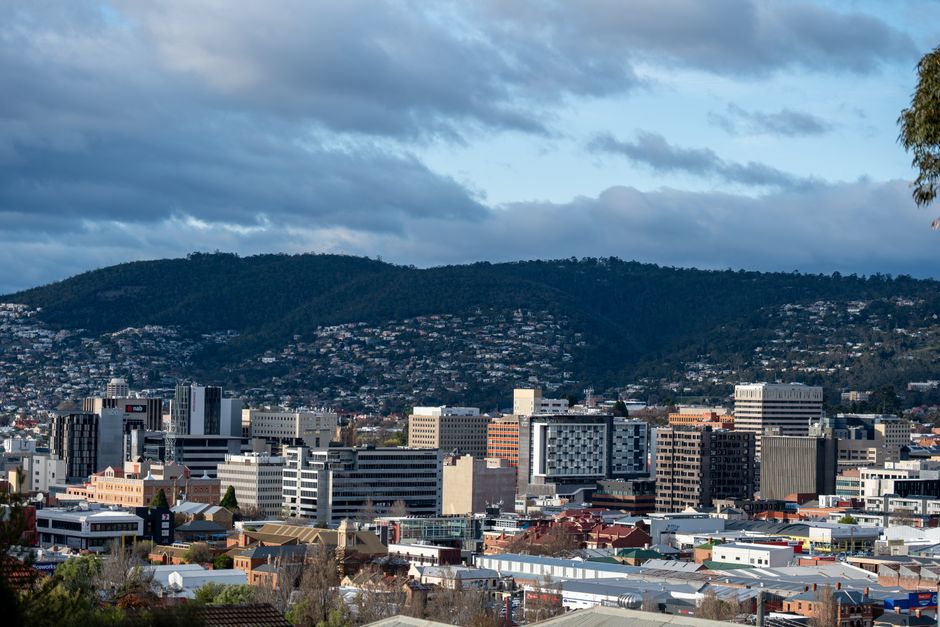
Tasmania's state government agencies are working through a significant backlog of duplicate and misidentified images held across at least a dozen departmental digital asset systems, a problem that has compounded quietly since the early 2000s but accelerated sharply during the pandemic-era digitisation push between 2020 and 2022. The Libraries Tasmania repository alone, housed at the Rosny Park campus in Clarence, holds tens of thousands of digitised photographs, many of which exist in two, three, or in some cases four versions across different internal servers.
The issue matters now because the Tasmanian Liberal government has flagged major public-facing digital projects for the next 18 months, including updated tourism and infrastructure portals tied to the ongoing AFL stadium debate and the Marinus Link undersea cable development. Clean, properly tagged, non-duplicated image records are a prerequisite for those platforms. Agencies running on cluttered archives risk publishing outdated, mislabelled, or legally encumbered images, a problem that has tripped up mainland state governments repeatedly over the past decade.
How the Duplication Problem Built Up
The origins are mundane. Through the 1990s and into the 2000s, individual government departments maintained their own photo collections in incompatible formats, some on CD-ROM, some on shared network drives, some farmed out to contractors. When the Tasmanian Archive and Heritage Office, now operating under the Libraries Tasmania umbrella, began large-scale scanning of historical material in earnest around 2008, files were ingested without a unified naming or deduplication protocol. A photograph of Salamanca Place, say, or the Tasman Bridge, might be saved under a date-based filename by one team and a descriptive filename by another, with neither system flagging that the same image already existed.
The Digital Transformation project run by the Department of Premier and Cabinet between 2019 and 2021 accelerated ingestion without fully resolving those legacy inconsistencies. Staff working from home during COVID restrictions were uploading and tagging material rapidly, using at least three separate content management systems simultaneously. The result was predictable: duplication rates in some collections grew sharply. A 2024 internal review of the Libraries Tasmania digitised photograph holdings, details of which were referenced in a budget estimates hearing before the Joint Committee of Public Accounts, noted that remediation work had been scoped and costed but not yet fully funded.
What Remediation Actually Looks Like
Fixing the problem is neither quick nor cheap. Duplicate image replacement, the process of identifying canonical versions of files, retiring redundant copies, updating metadata, and ensuring downstream systems point to the correct asset, requires both automated scanning tools and manual human review for ambiguous cases. The State Library of Queensland undertook a comparable exercise between 2021 and 2023 across roughly 400,000 digitised items, a project that required a dedicated team over an extended period.
In Tasmania, the work is distributed. Libraries Tasmania's collection and access teams at Rosny Park are handling historical photographic archives. The Department of Natural Resources and Environment Tasmania is separately auditing imagery tied to salmon aquaculture monitoring and Aboriginal land management files, collections where duplicate or superseded images carry real regulatory consequence, not just administrative inconvenience. The Tasmanian Land Conservancy, based in Battery Point, has also been working with government partners to standardise nature reserve imagery used in public education materials.
The practical stakes extend beyond tidiness. Where government images carry Creative Commons licensing, duplicates with different metadata can inadvertently strip attribution information, exposing agencies to copyright complaints. Where images are used in planning documents, relevant right now given the Hobart waterfront stadium approvals process, having multiple versions of the same site photograph with different dates or resolutions attached can complicate legal challenges to development decisions.
Agencies are advised to audit their digital asset management systems against a single master repository before any major public-facing platform launch. For the public, the most immediate benefit will be more accurate, faster-loading government websites, a small but concrete return on what is otherwise an unglamorous piece of administrative infrastructure. The broader remediation is expected to continue into 2027.