news
How Tasmania Got Here: The Decisions and Disputes Shaping the State in Mid-2026
From an undersea power cable years in the making to a stadium deal that won't stay quiet, the pressures on Tasmania's government and communities didn't arrive overnight.
How we reported this
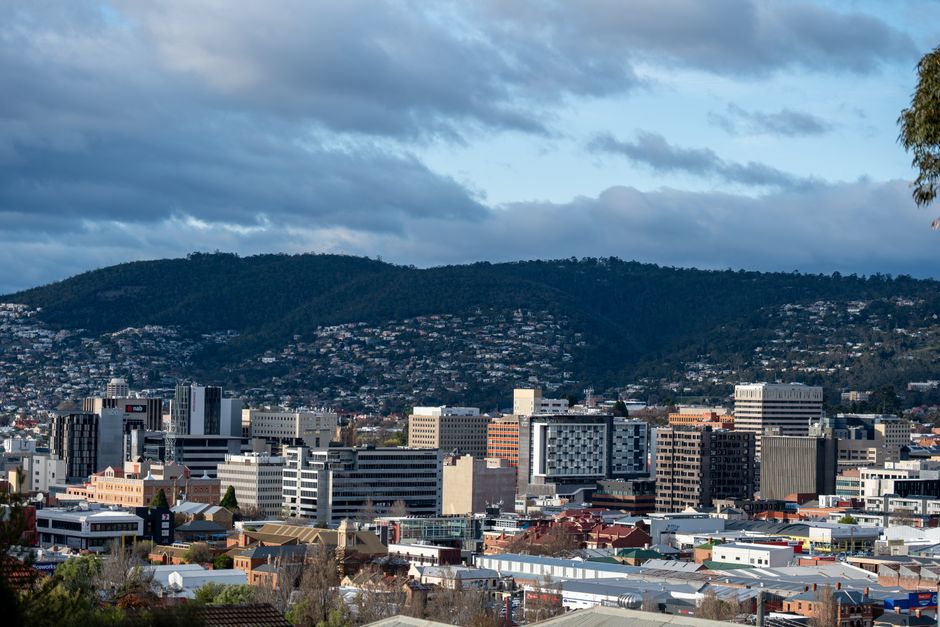
Tasmania enters the second half of 2026 carrying the weight of at least half a dozen unresolved policy fights, each with roots stretching back years. The Liberal government in Hobart is managing simultaneous pressure on energy infrastructure, stadium funding, salmon farming regulation, and Aboriginal land rights, a confluence that is shaping the political climate heading toward the next state election cycle.
Understanding where things stand requires understanding how they started. Each of these disputes has a distinct origin point, and in most cases, early decisions made under very different political circumstances are now producing consequences that are harder to walk back than anyone anticipated.
The Infrastructure Bets That Define the Current Term
The Marinus Link project, the proposed 1,500-megawatt undersea electricity cable connecting Tasmania to Victoria via Bass Strait, has been in planning and consultation for well over a decade. TasNetworks and its federal and state government partners have framed the project as central to both Tasmania's clean energy export ambitions and Australia's national grid resilience. But cost estimates have climbed substantially from early projections, and communities on the project's proposed route, particularly in the state's north around Latrobe and Devonport, have raised persistent questions about land access, compensation, and the pace of consultation.
The AFL stadium at Macquarie Point in Hobart has become a different kind of flashpoint. The state government committed to the project as part of its bid to secure a Tasmanian AFL team, a goal realised with the Tasmania Devils entering the competition. But the Macquarie Point stadium has faced repeated scrutiny over its projected cost, which state parliamentary budget documents and media reporting have placed in the range of $775 million in public funding commitments, a figure contested by both the government and its critics depending on which components are included. The Macquarie Point Development Corporation is the statutory body overseeing the precinct, and its relationship with the broader Hobart waterfront redevelopment has made the stadium debate inseparable from questions about who Hobart's city centre is actually being built for.
Salmon, Land Rights, and the Disputes That Predate Current Ministers
The salmon aquaculture industry, dominated by companies operating across Macquarie Harbour on the West Coast and in the Huon Valley, has been under sustained regulatory scrutiny since at least the late 2010s, when dissolved oxygen levels in Macquarie Harbour dropped to levels that triggered formal Environment Protection Authority intervention. The regulatory environment has tightened and loosened in cycles since then, with the industry and environmental groups, including the Bob Brown Foundation and Environment Tasmania, in ongoing disagreement about sustainable biomass limits. The current state government has sought to position itself as balancing economic employment in regional areas against environmental obligations, but neither side of that debate has accepted that framing as adequate.
Aboriginal land return has a similarly long institutional history. The Aboriginal Land Council of Tasmania, established under the Aboriginal Lands Act 1995, has managed a growing portfolio of returned land across the state, including sites on the Tasman Peninsula and in the northwest. But advocates have consistently argued that the pace and scope of returns remains insufficient. A formal review of the returns process completed in the early 2020s made recommendations that have been only partially implemented, and the status of several nominated sites remains unresolved as of mid-2026.
These pressures are not discrete. They overlap, on questions of who decides, who benefits, and who bears the cost of infrastructure and industry in a state of roughly 570,000 people where the distance between a cabinet minister and an affected community can be a single phone call or a two-hour drive up the Midland Highway. What comes next on all of these fronts will be shaped in large part by whether the government can demonstrate momentum on any one of them before the political calendar tightens. Budget sittings, regulatory decisions on aquaculture licence conditions, and further Marinus Link cost-benefit disclosure are all expected in the second half of this year.