news
Hobart vs. the World: How Tasmania's Capital Is Managing the Pressures Reshaping Mid-Size Island Cities
From housing costs to waterfront regeneration, Hobart's challenges echo those facing Reykjavik, Valletta and Queenstown, but the responses are diverging sharply.
How we reported this
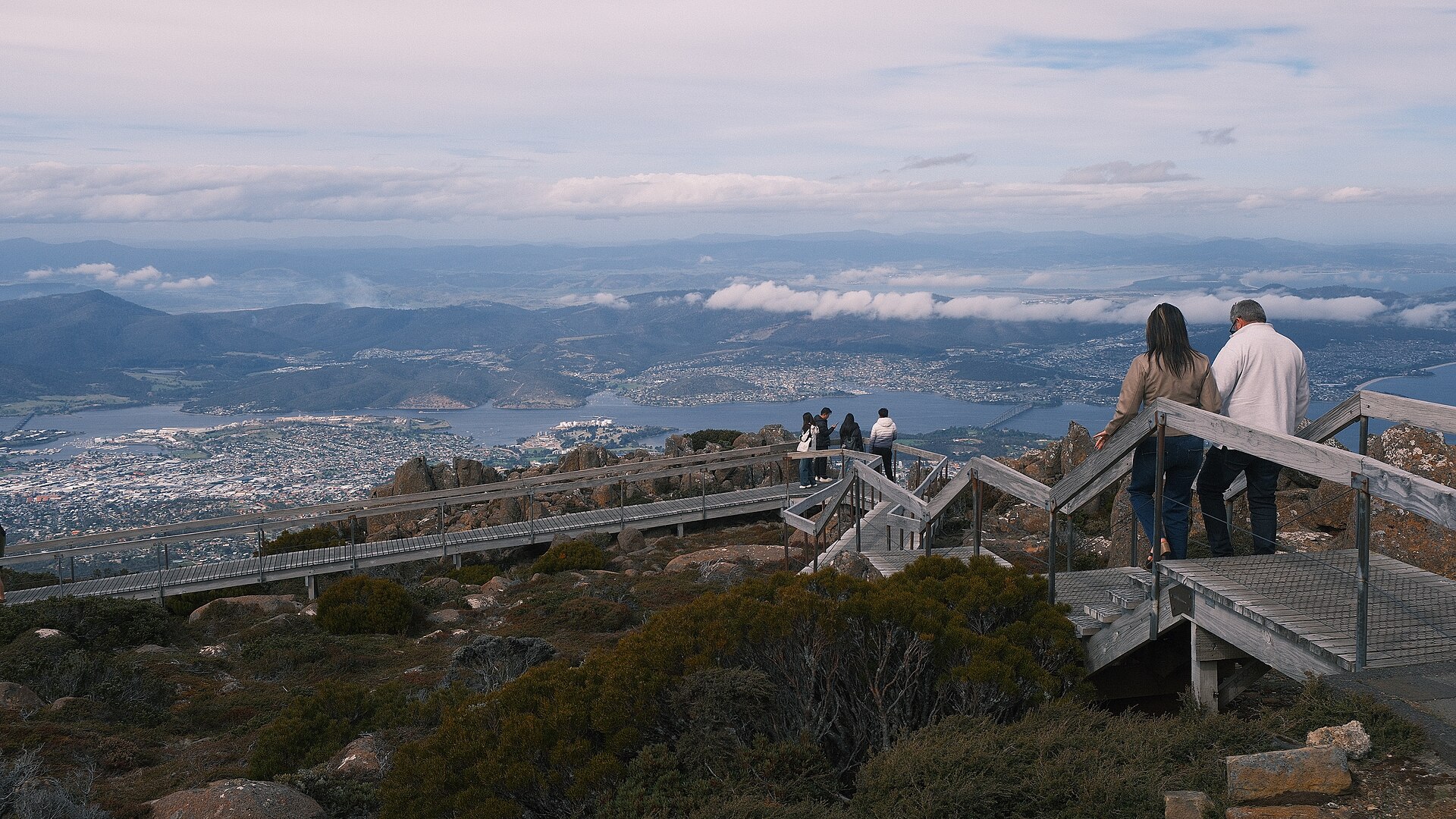
Hobart is no longer a sleepy southern outpost. The city of roughly 240,000 people is grappling with the same structural tensions battering comparable island capitals globally, surging tourism, stressed housing supply, contested major infrastructure and the politics of Indigenous land, and local observers are watching closely to see whether Tasmania's Liberal government can thread the needle any better than its international peers.
The pressure has sharpened in the first half of 2026. The Macquarie Point Development Corporation is advancing plans for a stadium precinct on Hobart's waterfront, a project whose estimated cost has ballooned well past the figures originally presented to the Tasmanian parliament. That cost trajectory is not unusual for landmark waterfront builds, but it is drawing direct comparisons to Auckland's redevelopment of its Wynyard Quarter and Valletta's Grand Harbour regeneration, both of which ran significantly over budget before delivering long-term tourism and commercial dividends. The difference, critics note, is that Malta and New Zealand both secured substantial external investment partnerships before breaking ground.
The Global Template, and Where Hobart Diverges
Queenstown, New Zealand, offers perhaps the sharpest comparison. That town of around 44,000 permanent residents hosts roughly 3.5 million visitors annually and has watched median house prices climb above NZ$1.2 million, effectively pushing essential workers out of the market. Hobart's median dwelling price, sitting near $700,000 according to recent CoreLogic data, is lower in absolute terms but represents a similar multiple of local wages, and the rental vacancy rate in greater Hobart has hovered below one percent for much of the past two years, according to figures published by the Real Estate Institute of Tasmania.
Reykjavik is the other city planners keep referencing. Iceland's capital has used geothermal energy infrastructure as a centrepiece of its economic identity while wrestling with overtourism along its Laugavegur shopping strip. Tasmania's equivalent bet is the Marinus Link, the proposed 1,500-megawatt undersea high-voltage direct current cable that would connect the island to Victoria via Bass Strait and position the state as a renewable energy exporter. Proponents argue it is Tasmania's version of Reykjavik's geothermal advantage, a geography-driven energy edge that could anchor economic diversification for decades. Construction timelines and final investment decisions, however, remain unresolved heading into the second half of 2026.
On Salamanca Place, where weekend markets draw tourists and locals in roughly equal measure, the tension between short-stay accommodation and long-term rental stock is palpable. Properties that once housed university students or low-income workers have been progressively converted to Airbnb listings, a pattern documented in research published by the University of Tasmania's School of Social Sciences. Battery Point, adjacent to Salamanca, has seen street-level amenity shift markedly toward visitor services over the past decade.
Aboriginal Land and the Politics of Place
One dimension largely absent from Reykjavik or Valletta's urban debates is front and centre in Hobart: the return of Aboriginal land. The Aboriginal Land Council of Tasmania has long-standing claims over culturally significant sites across the island, and the pace of formal land return has become a live political issue under the current Liberal government. The contrast with Canadian cities like Victoria, British Columbia, which has moved to embed Indigenous land acknowledgement and co-governance arrangements into municipal planning frameworks, is frequently raised in Tasmanian planning circles, though formal co-governance mechanisms here remain limited.
The salmon aquaculture sector adds another layer with no clean international parallel. Marine farming operations in Macquarie Harbour and the D'Entrecasteaux Channel continue to generate environmental compliance debates, with the Environment Protection Authority Tasmania engaged in ongoing licence reviews. Norwegian fjord municipalities face similar tensions between aquaculture industry employment and marine ecosystem health, but Norway's regulatory framework gives regional authorities substantially more enforcement teeth than Tasmania's current model provides.
For Hobart residents tracking all of this, the practical takeaway is straightforward: the next six months will be decisive. The Marinus Link investment decision, the Macquarie Point stadium business case review, and the state budget's housing supply measures are all expected to land before the end of 2026. Whether Hobart learns from Queenstown's mistakes or replicates them will depend largely on decisions made in the next two parliamentary sitting weeks.