news
Tasmania's Big Debates: What Officials, Experts and Key Figures Are Saying Right Now
From the Marinus Link cost scrutiny to the Macquarie Point stadium impasse, the voices shaping Tasmania's near-term future are growing louder and harder to ignore.
How we reported this
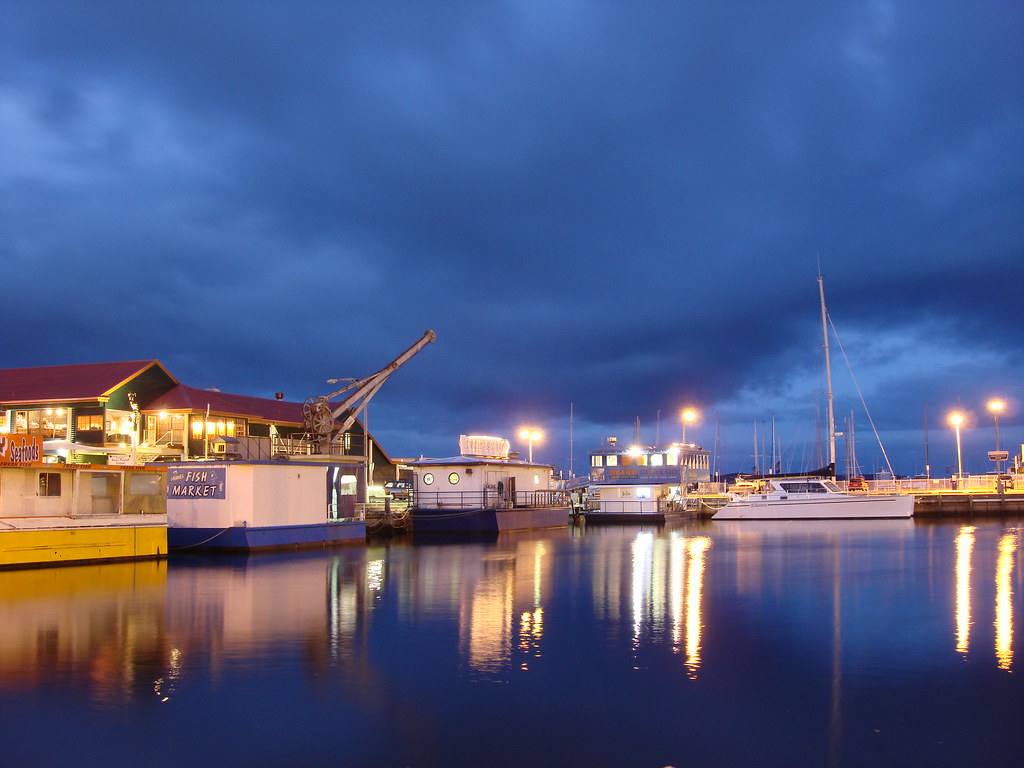
The first week of July 2026 has produced a sharp convergence of competing pressures on the Tasmanian Liberal government, with major infrastructure commitments, environmental regulation and Aboriginal land rights all demanding attention at once. The state's leadership is being pushed from multiple directions, by federal partners, industry groups, environmental advocates and First Nations representatives, and the responses coming from officials and expert quarters are telling.
Tasmania's fiscal position sits at the centre of nearly every argument. The state government's 2026-27 budget, handed down earlier this year, flagged a deficit position that has constrained discretionary spending. That context matters when each of the major debates carries a price tag in the hundreds of millions of dollars.
Stadium and Marinus: The Infrastructure Squeeze
The Macquarie Point AFL stadium project in Hobart remains the most politically combustible item on the Liberal government's agenda. Cost estimates for the precinct redevelopment have climbed well beyond early projections, and pressure from both state and federal levels has intensified through mid-2026. Infrastructure experts and independent economists have been consistent in calling for a full, publicly released cost-benefit analysis before any further binding commitments are made. The Macquarie Point Development Corporation, the statutory body overseeing the site on the Hobart waterfront at the former rail yards, has not yet released revised costings to the public.
The Marinus Link undersea cable project, designed to run between Heybridge on Tasmania's north-west coast and Waratah Bay in Victoria, faces its own credibility challenge. TasNetworks and its project partners have maintained that the interconnector is essential for both mainland grid stability and Tasmanian export revenue from renewable energy. But engineering and energy economists have raised questions about the timing of investment given current wholesale electricity price volatility on the National Electricity Market. Those concerns have added ammunition to critics in the federal parliament, where the project's co-funding arrangements remain subject to ongoing review.
Meanwhile, the national conversation around electricity bills, sharpened this week by a political exchange in Canberra between Climate Change Minister Chris Bowen and opposition energy spokesman Dan Tehan, lands with particular weight in Tasmania, where household power costs are tied directly to the performance of Hydro Tasmania's generation assets and the state's exposure to interconnector pricing. Tasmanians watching their bills have good reason to track both debates closely.
Salmon Regulation and Land Rights Under the Microscope
On the environmental front, salmon aquaculture regulation in Macquarie Harbour on the state's west coast has not gone away as a flashpoint. Marine scientists and independent environment groups have maintained through 2026 that dissolved oxygen levels in parts of the harbour need sustained improvement before any expansion of leases should be considered. The Environment Protection Authority of Tasmania has been the primary regulatory body managing compliance conditions for major operators, though the adequacy of that oversight remains contested by conservation advocates.
Aboriginal land rights discussions have re-entered public focus after the Tasmanian Aboriginal Centre renewed calls for expanded land returns under the Aboriginal Lands Act 1995. The act governs title over specific parcels across the state, including areas on the east coast and around lutruwita/Tasmania's rural interior. Negotiations have moved slowly, and community representatives have been direct in stating that pace and political will are the central obstacles, not legal mechanism.
For Tasmanians trying to read where things land, the next clear marker is the state parliament's August sitting block, where both the stadium funding arrangements and any revised Marinus Link co-investment terms are expected to face formal scrutiny. The Macquarie Point Development Corporation is also expected to present an updated precinct master plan to the government before the end of the third quarter. None of the big questions will resolve quietly, and the figures driving each debate have shown little appetite for stepping back from their stated positions.