Politics
Federal Skills Push Creates New Pathways for Tasmanian Workers Across Industries
New federal initiatives targeting vocational training and apprenticeships are expected to create pathways for Tasmanian workers in construction, renewable energy and hospitality, but local employers warn uptake depends on wage competitiveness and training quality.
How we reported this
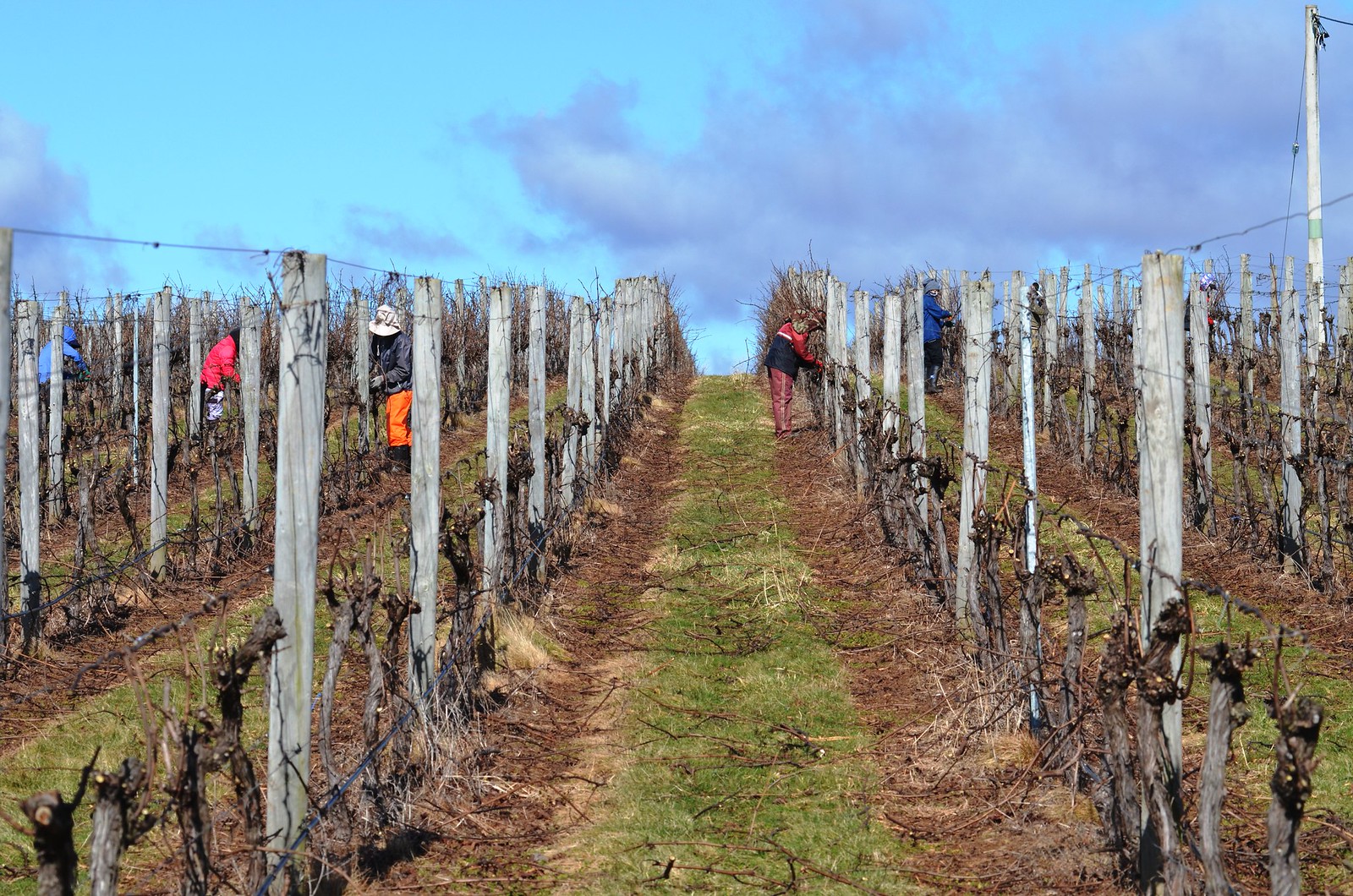
Tasmania's employment landscape stands to shift under the federal government's expanded apprenticeship and skills funding announced in this year's budget, which allocates additional resources to vocational pathways and wage subsidies for employers taking on trainees. For a state where youth unemployment and skill shortages in key sectors remain persistent challenges, the policy represents a direct attempt to funnel more workers into growing industries-but local outcomes will depend on how effectively the scheme reaches Tasmanian employers and whether wages keep pace with interstate opportunities.
The initiative extends wage subsidies for employers hiring apprentices across priority sectors including renewable energy, aged care, construction and hospitality. Tasmania's green energy ambitions, particularly the Marinus Link project and broader renewable infrastructure investment, have created identified demand for electricians, engineers and technical trades. Policy analysts note that apprenticeship subsidies can reduce hiring barriers for small and medium businesses that dominate Tasmania's regional economy, potentially creating entry-level jobs for school leavers in Hobart, Launceston and regional centres. However, local advocates and training providers emphasise that apprenticeship completion rates depend on sustained employer commitment and adequate living wages for trainees-areas where Tasmania's cost-of-living pressures and lower wage bases compared to mainland states create friction.
The skills initiative also targets aged care and disability support, sectors facing chronic workforce shortages across Australia. Tasmania's ageing population and recent investment in residential aged care infrastructure mean these subsidies could accelerate hiring in regional areas where care facilities are expanding. Local workforce organisations say training pipeline improvements matter: regional Tasmanians often relocate for better-paid mainland positions once qualified, particularly in nursing and allied health. The budget's focus on domestic supply is intended to address this, though the policy does not include direct wage incentives or retention bonuses specific to regional employment.
Construction and hospitality-cornerstones of Tasmania's AFL stadium development and tourism recovery-are also named priority sectors. Hospitality employers around Hobart and the north-west coast have reported persistent casual labour shortages. The apprenticeship subsidy scheme is expected to encourage formal training pathways rather than ad-hoc casual hiring, potentially stabilising workforce quality and tenure in these sectors.
Implementation begins in the second half of 2026. Local chambers of commerce and training providers have been invited to advise on uptake, and the government states it will monitor regional participation rates. Whether Tasmania captures its share of apprenticeship growth depends on how widely employers in smaller towns access the scheme and whether trainees' eventual wages justify their investment in local training.
This article was compiled by AI and screened before publishing. See our editorial standards.