policy
Tasmania's Next Ballot Measures Explained: What the Votes Could Mean for Your Household Budget
From electricity costs tied to the Marinus Link cable to salmon industry levies, here is what Tasmanians need to know before any referendum or ballot measure reaches them.
How we reported this
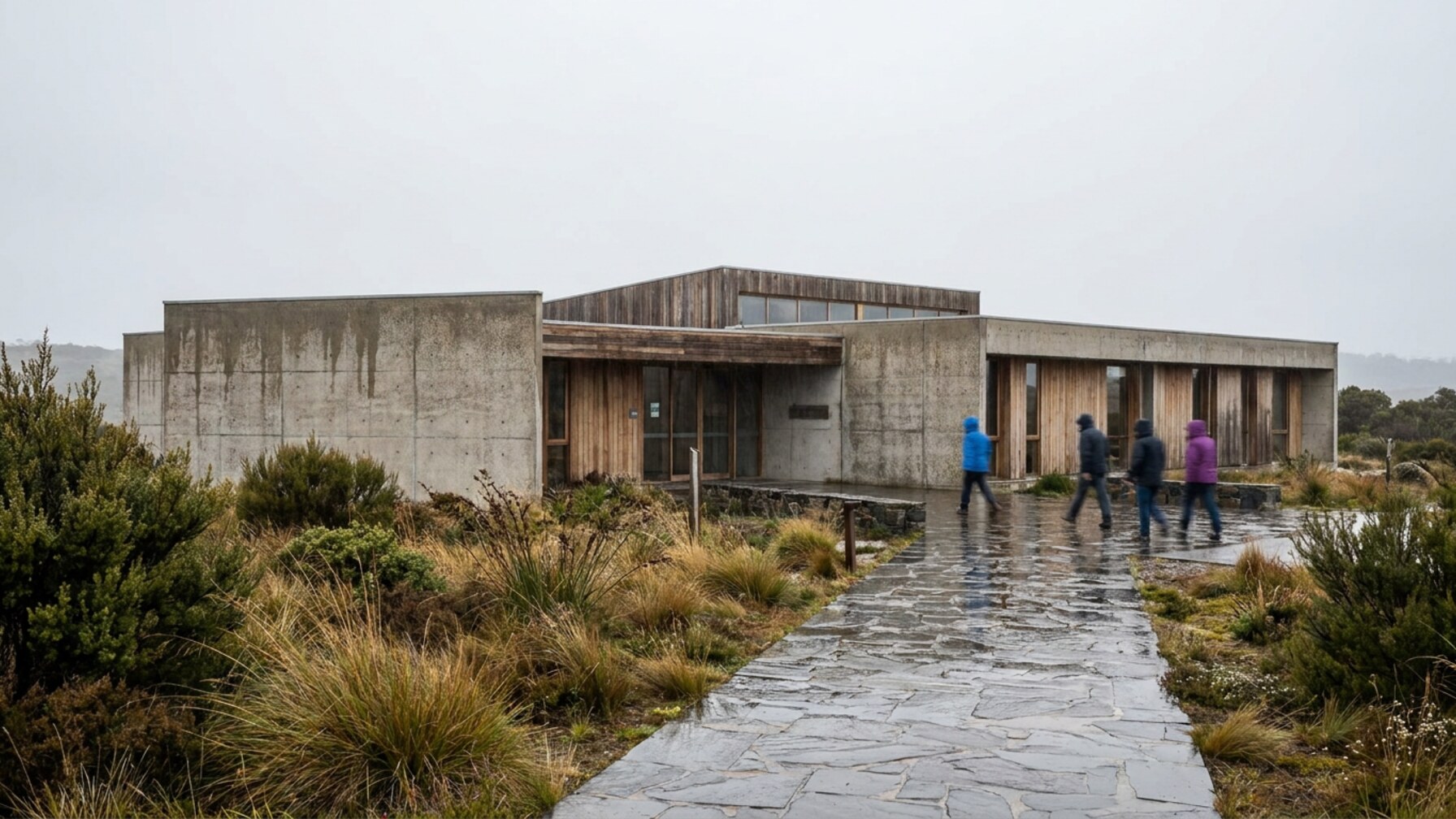
Tasmanians could face a series of consequential ballot decisions over the next two years, touching everything from the state's energy future to Aboriginal land rights and the contentious AFL stadium at Macquarie Point in Hobart. Each measure carries direct cost implications for households already managing tight budgets, and understanding what each vote actually does, rather than what its proponents or opponents claim, is the starting point for any informed decision at the ballot box.
The timing matters. National economists have noted that while Australia has avoided a formal recession, consumer confidence remains subdued heading into the second half of 2026. Tasmania consistently records the lowest median household incomes of any Australian state, sitting around $1,617 per week according to the 2021 Census, a figure that has moved only modestly since. That context shapes how any government expenditure or new levy lands for families in Launceston, Devonport or the Huon Valley. When a ballot question involves public money, the downstream effect on services, debt, or household charges is not abstract.
Energy, Infrastructure and What You Pay
The Marinus Link project, the proposed 1,500-megawatt undersea electricity cable connecting Tasmania to Victoria, is the largest single infrastructure question hanging over the state's fiscal position. The Tasmanian and federal governments have committed a combined funding envelope projected at several billion dollars, with the Australian Energy Market Operator's 2024 Integrated System Plan identifying the link as a priority project. The government says the policy will reduce wholesale electricity prices in Tasmania over the long term by allowing the state to export renewable energy and draw on the mainland grid during low-hydro periods. Critics in the economic modelling community argue that construction cost overruns, which have affected comparable undersea cable projects internationally, could push those benefits further into the future than official projections suggest. Any ballot question attached to state borrowing for Marinus would put that trade-off directly to voters: accept near-term debt and potential upward pressure on network charges, in exchange for projected long-term energy price stability.
The AFL stadium at Macquarie Point presents a cleaner arithmetic problem. The Tasmanian government's commitment of $375 million in state funding, part of a total project cost publicly cited at approximately $775 million, is drawn from the state's capital budget. The Tasmanian Budget 2024-25 confirmed that stadium-related expenditure would affect the state's net debt trajectory. Policy analysts note that capital spending of this scale in a small-budget jurisdiction inevitably competes with health, housing and education spending in forward estimates. If a referendum on stadium funding were put to Tasmanians, the household question would be straightforward: does the economic activity generated, including the AFL licence bringing the Tasmania Devils into the competition from 2028, justify the public outlay relative to other uses of those funds?
Land Rights, Aquaculture Levies and Everyday Costs
Two further policy areas carry ballot potential with direct household effects. The return of Crown land to the Tasmanian Aboriginal community, a process governed by the Aboriginal Lands Act 1995 and its subsequent amendments, has been incremental rather than resolved by single votes. Any expanded land return ballot would not directly affect household budgets, but it would affect tourism access, leasehold arrangements and the long-term management of coastal areas used by recreational fishers and small tourism operators across the state's north-west and island communities.
Salmon aquaculture regulation is the other flashpoint. The industry contributes roughly $1 billion annually to the Tasmanian economy, according to Salmon Tasmania industry figures, and employs thousands of people in regional areas including the Huon Valley and Macquarie Harbour. Tightened environmental regulations, including potential site closures or production caps under any revised Marine Farming Planning Act framework, would affect both the cost of Tasmanian salmon at supermarkets and employment in communities with few alternative major employers. A ballot measure tied to environmental standards in this sector would ask voters to weigh ecological outcomes against regional job security.
The Electoral Commission of Tasmania publishes independent information booklets for any state referendum, setting out the fiscal and legal effect of each question without advocacy for a position. Residents can register for updates at the Commission's website. The next scheduled opportunity for statewide ballot questions would fall alongside any state election cycle, with the Tasmanian Parliament's fixed four-year terms placing the next scheduled election in March 2026, meaning any additional referendum questions would need to be legislated promptly to meet that timetable.