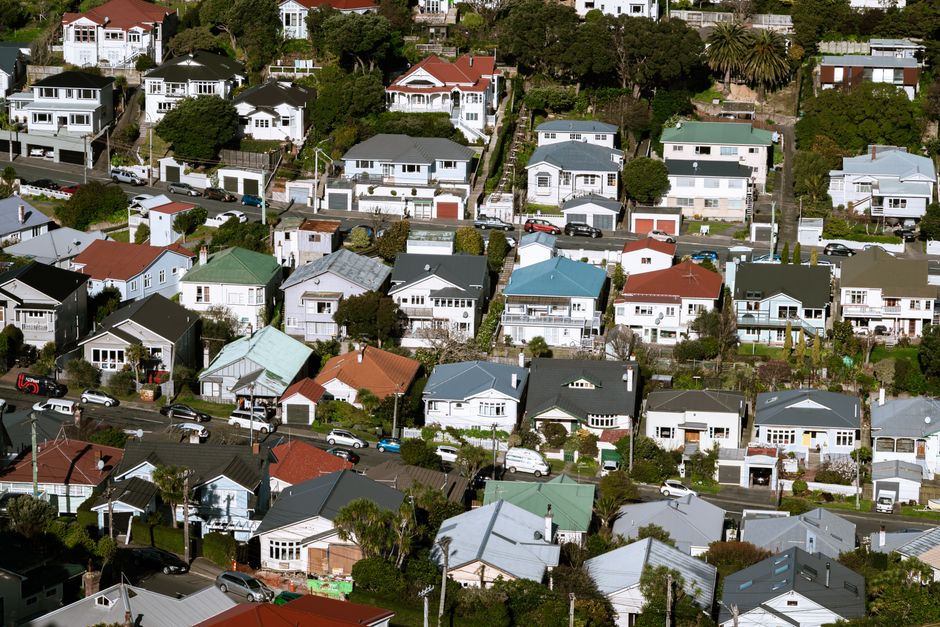
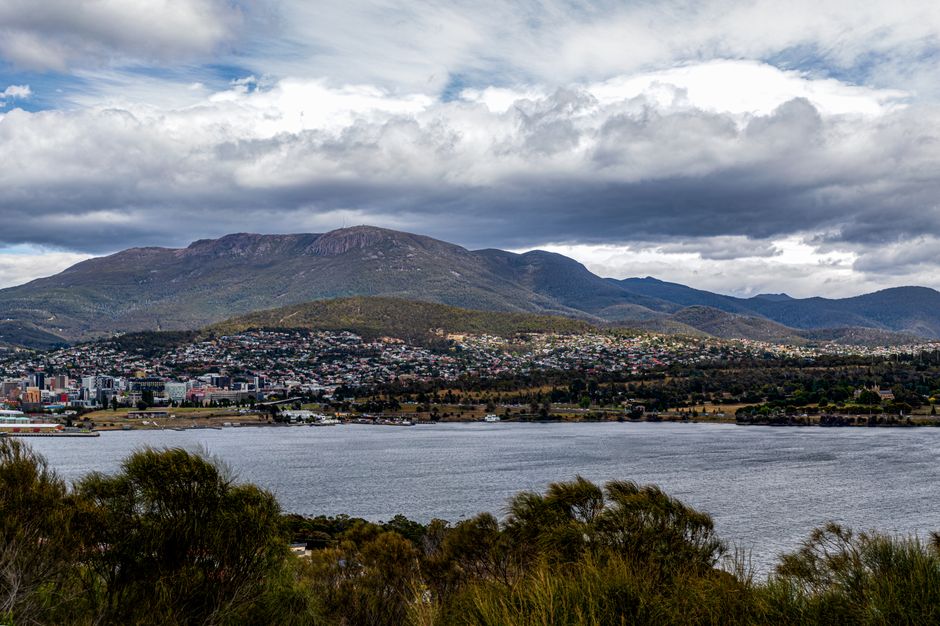
Gentrification doesn't happen overnight. It arrives quietly, in the form of a new café, a heritage paint job, or a developer's quiet acquisition spree. For Tasmanian property investors and residents alike, spotting these early signals can mean the difference between buying before or after the boom.
The classic indicators are now visible across several emerging suburbs. Footscray-adjacent suburbs saw median values climb past $560,000 statewide earlier this year, but savvy observers are watching closer to home: suburbs like West Hobart, Moonah, and Glenorchy's fringe are displaying the telltale signs.
"We're seeing young professionals and families priced out of Sandy Bay and Battery Point looking 2–3 kilometres north," explains local agent insight. The arrival of independent retailers—artisan roasters, vintage shops, plant nurseries—along Elizabeth Street corridors signals demographic shift. School catchment reputation matters too; proximity to good public schools like Clemes Secondary College drives buyer appetite in surrounding pockets.
Infrastructure investment is another red flag. The ongoing redevelopment of transport links and council investment in streetscaping—improved parks like those near Moonah shops, better pedestrian paths—often precedes price surges by 18–24 months. Launceston's North Hobart equivalent is emerging around Invermay and Summerlands, where median prices hovered near $480,000 last year but are accelerating.
Heritage listings and planning overlays matter. Suburbs gaining momentum often see stricter design codes and heritage protection, which can deter mass development but appeal to aesthetically-minded buyers willing to pay premiums. West Hobart's growing reputation as a "bohemian pocket" has already attracted creatives and remote workers.
Rental yields also signal transition. When investor demand spikes—particularly for quality two and three-bedroom homes under $650,000—landlords recognise value and hold longer. Vacancy rates tighten, and yields compress as purchase prices climb.
Property turnover velocity is perhaps the most honest metric. Suburbs experiencing gentrification see faster resales, shorter vendor holding periods, and increased buyer competition. Suburbs currently showing these patterns warrant close monitoring.
The sobering reality for first-home buyers: these indicators often mean entry-level opportunities are closing. While prices won't "crash," as recent national forecasts suggest, early movers in emerging suburbs face a narrowing window. Identifying genuine gentrification signals—not hype—requires distinguishing between temporary trends and structural demographic or infrastructure change.
For locals and investors, the question isn't whether Tasmanian suburbs will gentrify further, but which ones will, and whether you're watching the right streets.
This article was compiled by AI from the sources linked above and screened before publishing. See our editorial standards.