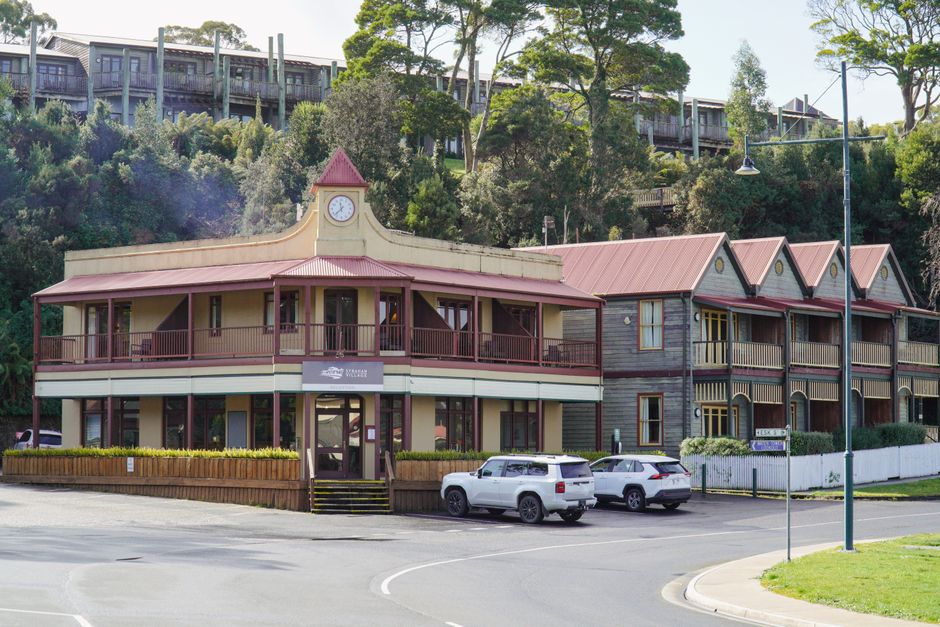
Tasmania's property investment landscape is shifting. While residential prices have climbed steadily—with Sandy Bay and Battery Point commanding premiums above the state median of $560,000—a quieter opportunity is emerging in the commercial sector, where yields tell a markedly different story.
For residential investors, the Tasmanian outlook remains compelling but increasingly selective. A three-bedroom home in inner Hobart suburbs like South Hobart or Glebe can expect gross rental yields of 4–5 per cent, with strong tenant demand fuelled by ongoing lifestyle migration. However, these returns assume capital growth: without it, net yields after rates, maintenance and vacancy shrink considerably. The state's median property price of $560,000 means investors require substantial capital or leverage to build portfolios.
Commercial property tells a different tale. Office and retail spaces in Hobart's CBD and Elizabeth Street precincts, or Launceston's emerging business districts, are generating gross yields of 6–8 per cent, sometimes higher. A modest retail tenancy on Collins Street or a small office suite near Franklin Wharf might rent for $15,000–$25,000 annually on a $250,000–$300,000 purchase price—outpacing residential returns without requiring scale.
The catch? Commercial markets demand expertise. Lease terms, tenant quality, and location specificity matter enormously. A struggling retail strip near Myer Centre faces different headwinds than a purpose-built office space near Hobart's growing tech precinct. Residential, by contrast, offers relative simplicity: demand is broad, tenancy turnover is predictable, and regulatory frameworks are well-established.
Recent national trends underscore this divergence. First-home buyers are being squeezed from residential markets, yet commercial landlords face headwinds from work-from-home adoption. Tasmanian investors, however, benefit from regional specifics: tourism-driven demand in Battery Point and Sandy Bay suggests continued residential strength, while Launceston's emergence as an alternative hub is generating modest commercial interest.
The smarter play may not be either-or. Savvy investors are diversifying: a residential portfolio near universities, hospitals or transport nodes (think properties near the University of Tasmania campuses in Hobart or Launceston) blends tenant stability with appreciation potential. Meanwhile, a single well-chosen commercial asset—say, a long-leased tenancy in a stable retail strip—can fund residential acquisitions or provide portfolio ballast.
For Tasmanian investors with $300,000–$500,000 to deploy, the question isn't commercial versus residential. It's whether your risk tolerance and expertise favour the broader appeal of residential stability or the tighter margins and higher yields of commercial specialisation.
This article was compiled by AI from the sources linked above and screened before publishing. See our editorial standards.