Houses Pull Away From Units as Tasmanians Seek Space Over Convenience
A widening price gap between detached homes and apartments reveals shifting buyer priorities in a state where lifestyle and land are increasingly prized.
Our reporters are based in Tasmania and cover local government, business and community. We are independently owned and editorially independent. Read our editorial standards →
Tasmania's property market is splitting in two. While median house prices have climbed to around $575,000 across the state, units are lagging at approximately $420,000—a gap that has widened significantly over the past 18 months and tells a compelling story about who is moving here and what they want.
The divergence is most pronounced in Hobart's premium zones. Sandy Bay and Battery Point remain strongholds for apartment buyers seeking walkability to the waterfront and inner-city services, yet even here, detached homes command 30 to 40 per cent premiums over comparable unit offerings. A renovated Federation home near the Botanic Gardens might fetch $750,000, while a modern two-bedroom apartment in the same postcode settles closer to $520,000.
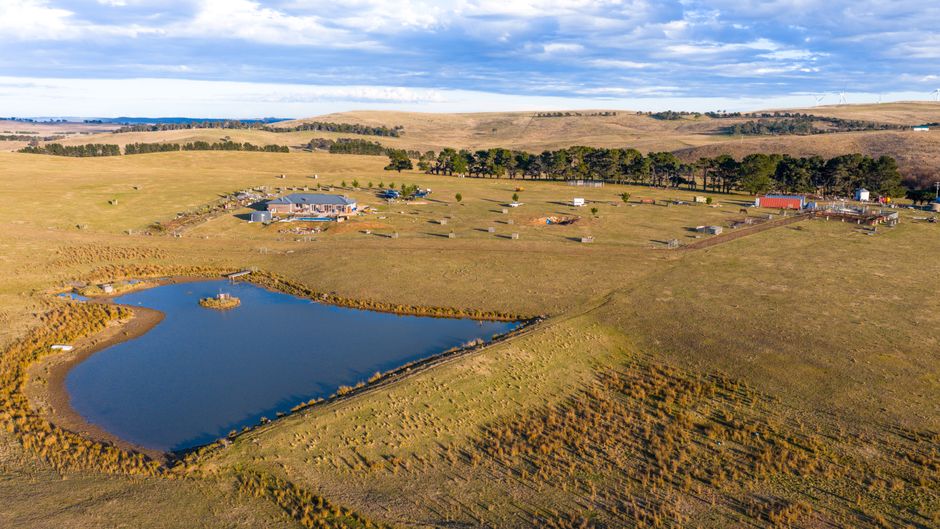
The real story, however, lies beyond the CBD. Suburbs like Blackmans Bay, Cambridge, and Glenorchy are drawing lifestyle migrants and downsizers who are willing to trade commute time for quarter-acre blocks and standalone living. Houses in these areas have surged 12 to 15 per cent year-on-year, while unit growth has flatlined at 3 to 5 per cent. Young families relocating from Melbourne and Sydney explicitly cite space, privacy, and the ability to garden or extend as primary drivers.
Launceston presents a different picture but with similar undercurrents. The emerging regional hub offers units and townhouses at exceptional value—median unit prices hover around $360,000—yet investor and owner-occupier interest has increasingly shifted toward houses in Trevallyn and Riverside, where land is abundant and prices remain sub-$500,000 for quality stock.
Why does this matter? First, developers should note that new apartment projects face headwinds unless they offer genuine lifestyle amenities: proximity to parks like Queens Park in New Town, or parking and storage that acknowledge car-dependent realities. Second, first-home buyers priced out of houses are being squeezed; units represent their last foothold in many Tasmanian suburbs, yet supply remains constrained. Third, the divergence suggests the state's appeal isn't urban density—it's space, nature, and escape.
As national headlines warn about first-home buyer vulnerability, Tasmanian agents report a two-tier market: those who can afford the house premium do so eagerly, while those who cannot are either renting longer or relocating to regional towns where houses remain accessible. The gap is unlikely to close soon. Tasmania's migration story is one of people seeking land, not apartments.
This article was compiled by AI from the sources linked above and screened before publishing. See our editorial standards.