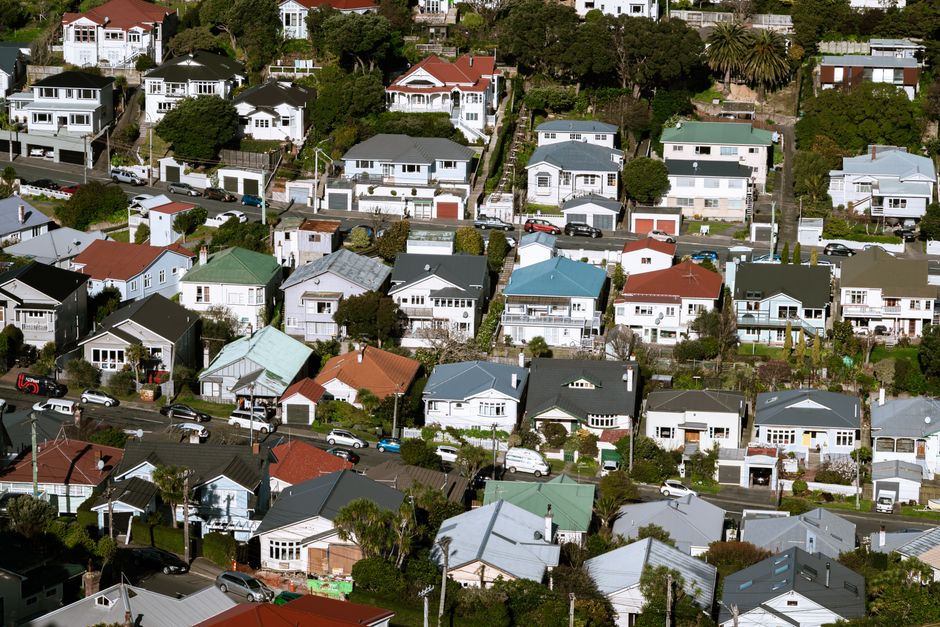
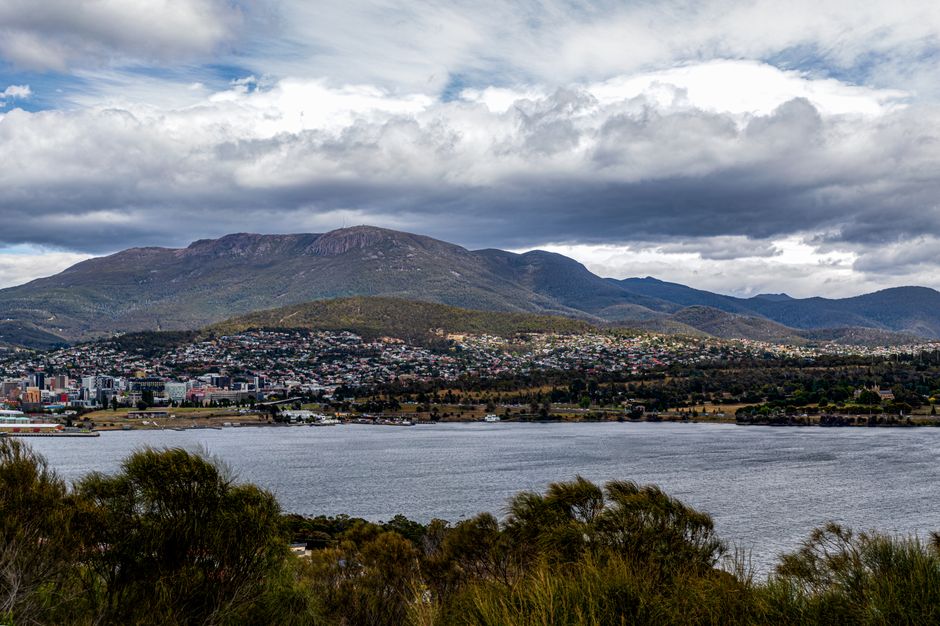
For property investors across Tasmania's booming lifestyle migration markets, a depreciation schedule is one of the most underutilised tax tools available. Yet many landlords in Sandy Bay, Battery Point and emerging Launceston suburbs are leaving thousands of dollars on the table each year by neglecting this simple deduction.
A depreciation schedule is a professional assessment that quantifies the decline in value of a rental property's building structure and its contents over time. The Australian Taxation Office allows investors to claim annual deductions based on these assessments—effectively reducing taxable rental income and boosting cash flow.
"In Tasmania's rental market, where median property prices sit around $560,000, a detailed depreciation schedule can unlock $2,000 to $4,000 in annual tax deductions for many investors," says local property accountant insights. Over a decade, that's $20,000 to $40,000 in cumulative tax savings. For investors holding multiple properties—whether waterfront Hobart units or Launceston character homes—the compound benefit is substantial.
The catch? A depreciation schedule must be prepared by a qualified quantity surveyor or depreciation specialist. Costs typically range from $400 to $800 per property, but the payback period is usually within the first year.
Consider a practical example: an investor purchases a $580,000 Tasmanian residential property with a $420,000 building value. A depreciation schedule might identify $6,000 in annual deductions across building depreciation and plant-and-equipment items—kitchen appliances, carpets, hot water systems. At a 37% marginal tax rate, that's $2,220 in annual tax savings, or $22,200 over a decade.
The rules changed in 2017, when new building depreciation claims were restricted to construction after 16 May 2017. But plant-and-equipment depreciation remains available for all properties, making older Hobart and Launceston investment homes still eligible for meaningful claims.
What's caught many investors off guard is that depreciation schedules aren't automatically prepared by accountants or conveyancers. Investors must actively commission one—and provide it to their tax agent to claim the deductions.
For Tasmania's growing cohort of interstate and international investors eyeing Sandy Bay's waterfront premiums or Launceston's emerging rental yields, commissioning a depreciation schedule should be a non-negotiable first step after purchase. It's a straightforward way to optimise returns without relying on capital growth or rising rents.
This article was compiled by AI from the sources linked above and screened before publishing. See our editorial standards.