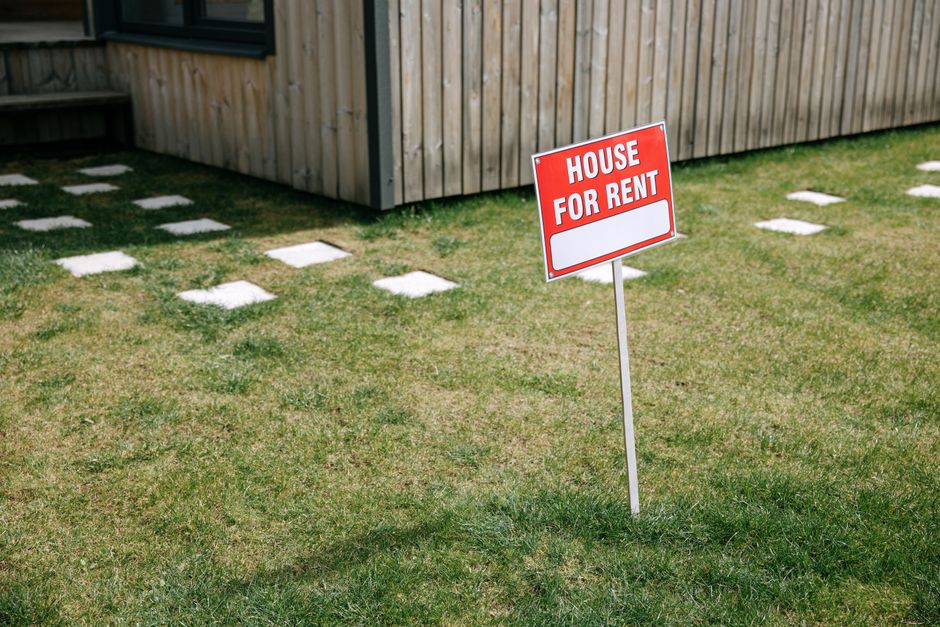
For years, Hobart's property conversation centred on buyer affordability. But 2026 has exposed a quieter crisis: renters can't find homes, and when they do, they're fighting tooth and nail to secure them.
Tasmania's median rental vacancy rate has collapsed to near 1 per cent across greater Hobart, with inner suburbs like Sandy Bay and Battery Point reporting vacancies below 0.5 per cent. A two-bedroom apartment in Battery Point that hits the market on Monday is often spoken for by Wednesday. On Criterion Street in Hobart's CBD, landlords report five to ten applications per listing within 48 hours.
The numbers tell a stark story. A decade ago, renters could afford to be choosy. Today, they're competing on terms landlords dictate: higher bonds, references from previous landlords, proof of income, sometimes even personal interviews. Some are offering to pay three months upfront. Others are accepting below-market rates just to secure certainty.
"We're seeing renters aged 25 to 35 who would ordinarily have bought by now instead locked in rental cycles," says one inner-city real estate agent who declined to be named. "They arrived during the lifestyle migration wave, saved a deposit, but by the time they were ready to buy, prices had jumped $80,000 to $100,000 beyond what they'd budgeted."
This creates a vicious cycle. Those locked out of ownership stay in rental markets longer, reducing vacancy further. Meanwhile, investor landlords—flush with equity gains from median prices rising from $480,000 to $560,000-plus—are less motivated to sell, preferring the steady yield of $400–$500 weekly rent on a Hobart property.
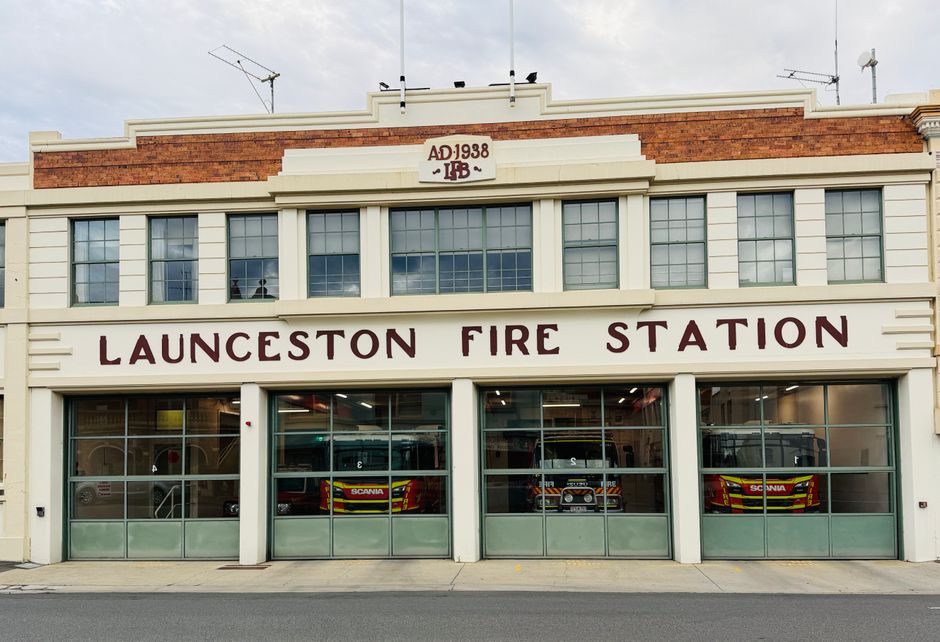
Launceston offers a cautionary glimpse of what happens when supply tightens. The city's once-abundant rental stock has dried up, with vacancy rates similarly compressed. Renters there report similar bidding wars, though at lower absolute rents ($350–$400 for two-bedroom homes).
The irony is sharp: prospective buyers cite affordability concerns and remain renters. Renters face such hostile conditions they're forced to stretch finances further than a mortgage might cost. A renter paying $480 weekly for a modest two-bedroom in Hobart ($24,960 annually) is, at current rates, actually paying more than a $380,000 mortgage—yet building no equity.
For those on the hunt, the message is brutal: if you see something in Newtown, Glebe, or even North Hobart, apply immediately. By the time you've viewed it, it's likely gone.
This article was compiled by AI from the sources linked above and screened before publishing. See our editorial standards.