Hobart's auction rooms have become a chess match, and the players are increasingly turning to professional help. As clearance rates slip across Australia—and Tasmania feels the ripple—buyer's agents are sharing the tactical moves that separate successful bidders from disappointed spectators.
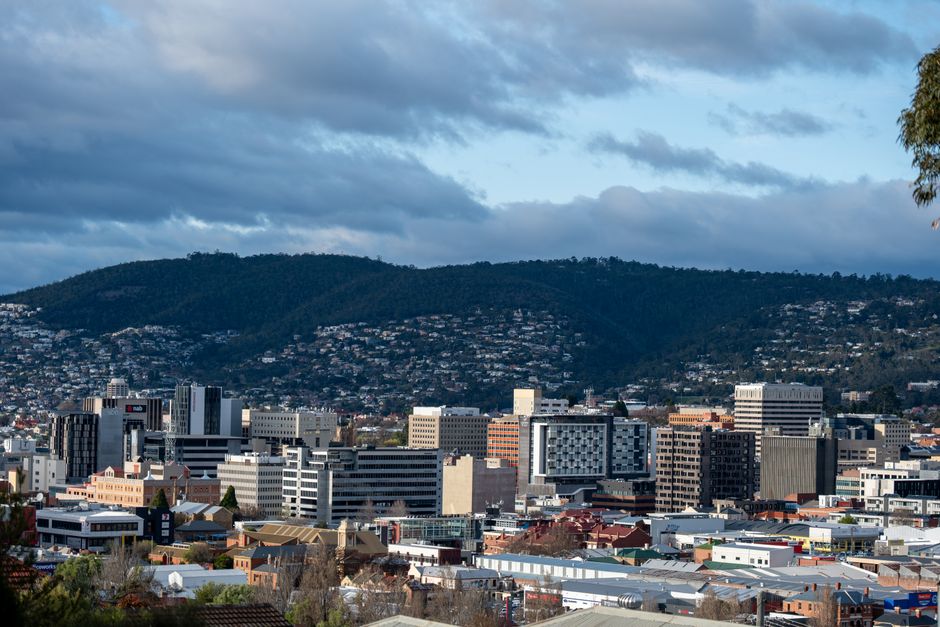
"The old days of turning up and bidding emotionally are over," says one veteran Hobart-based buyer's agent, who regularly competes in Sandy Bay and Battery Point auctions where median prices hover around $850,000 to $1.2 million. "We're now scouting comparable sales three weeks out, attending open homes at specific times to read the crowd, and building vendor relationships months before auction day."
The strategy starts with intelligence gathering. Buyer's agents are analysing local real estate data intensely—studying whether properties in Launceston's emerging riverside precincts, or established pockets like Prospect Vale, are attracting multiple registered bidders. They're also monitoring social media and local forums to gauge genuine buyer sentiment versus agent hype.
On auction day itself, physical positioning matters. Agents report standing at the rear of rooms or positioned near exits to signal calm confidence, avoiding eye contact with opposing bidders, and coordinating with their clients via subtle hand signals rather than visible nods. "Auctioneers read the room," one agent explains. "If you look desperate, the reserve climbs another $20,000."
But perhaps most revealing is the pre-auction negotiation tactic. Several agents admit they're increasingly approaching vendors before the gavel falls, especially when clearance rates dip below 50 per cent. "If we've done our homework and know a vendor has a $600,000 reserve on a Glebe property, and we've got a serious buyer ready to settle in 21 days, we'll make an unconditional offer 48 hours before," one professional reveals. "It removes risk for the seller when the market feels uncertain."
Launceston agents report similar patterns, with growing buyer caution around Inveresk and Riverside properties. "Five years ago, auctions were theatrical. Now they're strategic," says another buyer's advocate. "We're factoring in cost of funds, building inspection results, and finance contingencies into opening bids. We're not chasing the dream—we're managing the numbers."
The shift reflects broader market reality: with Tasmania's median sitting around $560,000 and lifestyle migration creating pockets of premium pricing, buyer's agents are positioning themselves as essential navigators rather than cheerleaders, especially as vendors grapple with lower clearance expectations.
This article was compiled by AI from the sources linked above and screened before publishing. See our editorial standards.