Tasmania's residential property market is showing signs of normalisation, with second-quarter 2026 growth rates significantly trailing the same period last year, new data suggests.
The state median price currently sits at approximately $560,000, reflecting a measured 3.2% increase over the past three months. Compare that to Q2 2025—when prices surged 8.7% in the same quarter—and the slowdown becomes evident. Market analysts attribute the cooling to two factors: affordability constraints among incoming lifestyle migrants and a natural correction following the pandemic-driven boom that peaked through 2024 and early 2025.
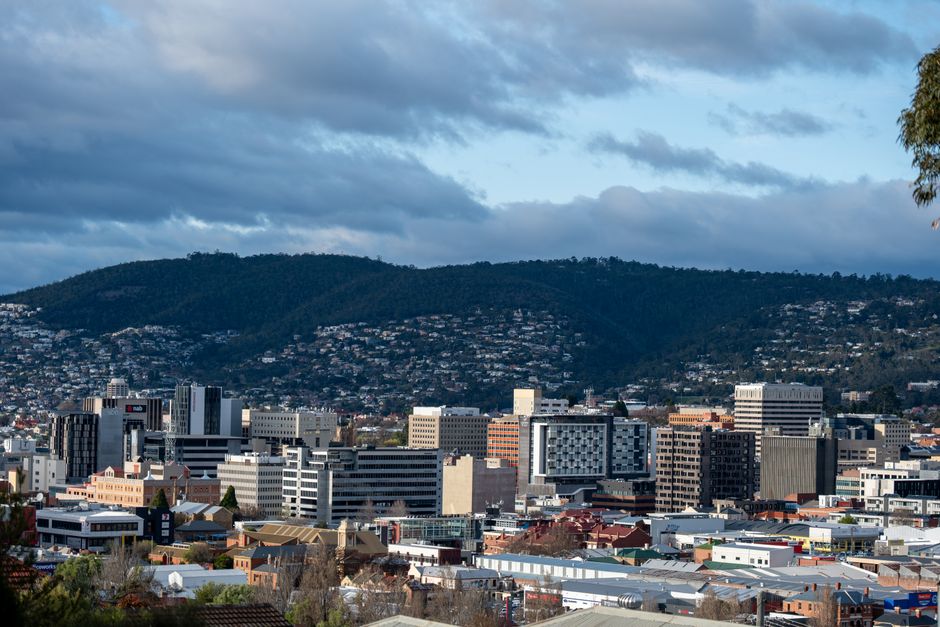
Hobart's premium suburbs remain resilient but show similar deceleration patterns. Sandy Bay, long the city's blue-chip address, posted median values near $925,000 in late June—up 2.1% this quarter versus 6.4% in Q2 2025. Battery Point, that postcard-perfect neighbourhood overlooking the Derwent, has flatlined, with trophy properties in the $1.8–$2.2 million range attracting fewer competing offers than twelve months prior.
The emerging narrative favours secondary markets. Launceston is capturing renewed interest, with North Launceston properties around the City Park precinct and along the Tamar riverfront recording 4.8% quarterly growth—outpacing Hobart proper and suggesting buyers are trading proximity to services for genuine value. Similarly, Riverside suburbs like Invermay have drawn first-home buyers and downsizers alike, with median prices near $485,000 reflecting stronger demand than beachside equivalents.
Outer Hobart tells a mixed story. Suburbs along the Southern Outlet—Kingston, Bonnie Doon—continue to attract commuters, posting 3.4% quarterly gains. However, once-hot postcodes like Glenorchy and Moonah, which benefited most from interstate migration in 2024–25, are now stabilising, with Q2 2026 growth barely outpacing inflation.
The slowdown may prove temporary. Winter brought fewer inspections, and schools' winter break typically dampens transaction velocity. Yet the underlying shift is real: the pool of remote workers willing to pay premium prices for Tasmanian lifestyle has begun to thin, while local buyers—particularly first-home purchasers—are reassessing serviceability against rising interest rate expectations.
Market watchers caution against reading too much into one quarter. The state remains undersupplied relative to migration trends, but the era of effortless double-digit annual gains appears to have passed. For buyers, it signals a breathing space. For sellers banking on 2025's momentum, adjustment is warranted.
This article was compiled by AI from the sources linked above and screened before publishing. See our editorial standards.