property
Hobart Rents vs Regional Reality: Why Tasmania's Housing Maths Has Flipped
A new affordability crunch is forcing Tasmanians to weigh the true cost of renting in the capital against buying in the regions, and the numbers are telling a surprising story.
How we reported this
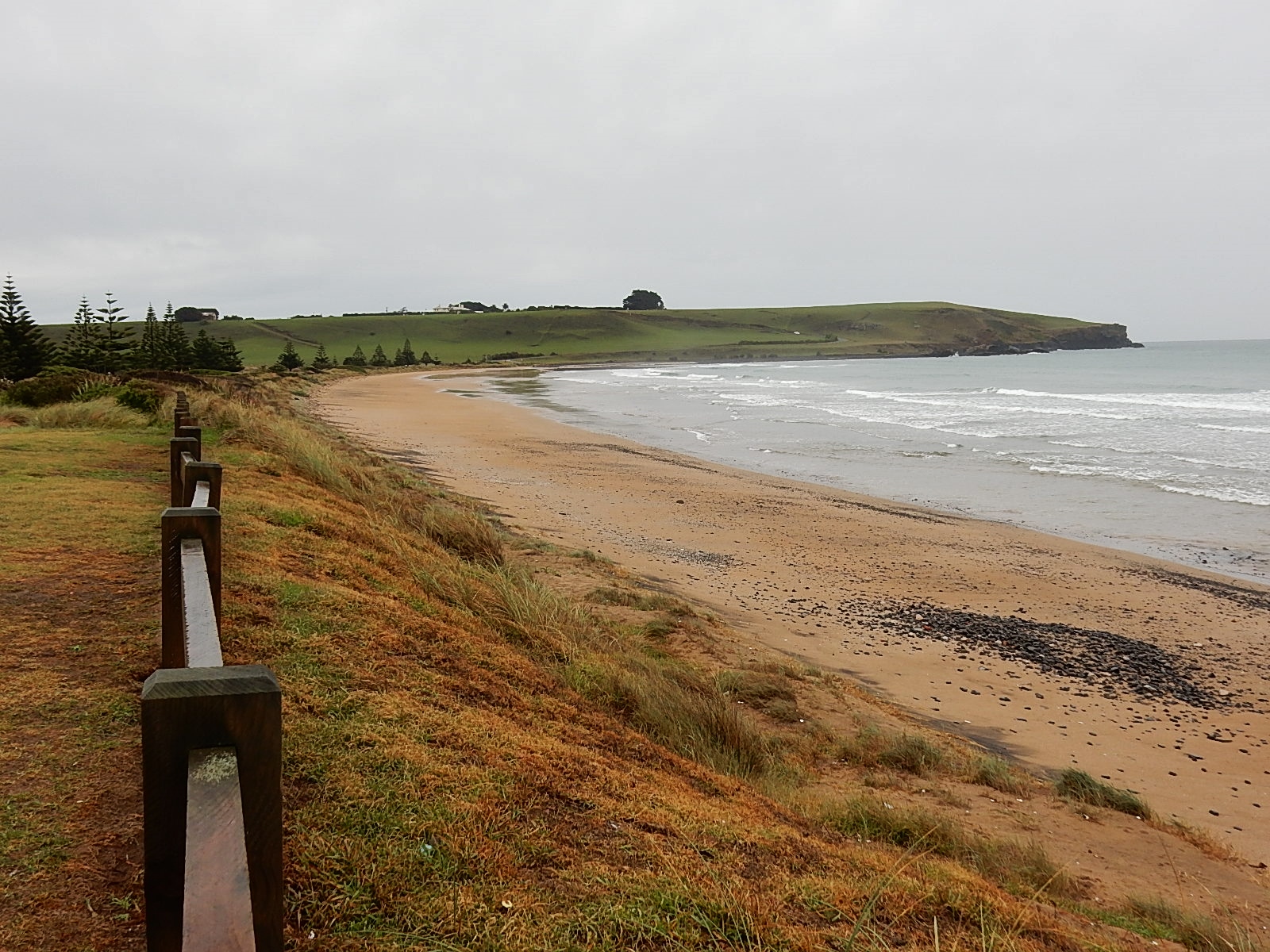
Renting a two-bedroom unit in Sandy Bay now costs more per month than a mortgage repayment on a three-bedroom house in Devonport. That single comparison, drawn from July 2026 rental listings and current Commonwealth Bank variable rate calculations, captures the strange arithmetic now confronting Tasmanians trying to make a housing decision.
The gap matters because Tasmania's property market is no longer a single conversation. Hobart's median dwelling price sits at roughly $560,000, but the real pressure point is rent, median weekly rents for houses in Greater Hobart have pushed past $580 a week according to SQM Research data for Q2 2026, representing a 9 per cent increase over 18 months. Meanwhile, in Launceston's northern suburbs and the North-West Coast corridor, weekly rents remain considerably softer, around $380 to $410 for comparable stock. The lifestyle migration wave that reshaped Hobart's Sandy Bay, Battery Point and South Hobart precincts through the early 2020s has compressed supply to the point where long-term tenants are simply doing the maths and leaving.
The Regional Calculus
In Devonport, the median house price hovers around $380,000. On a standard 20 per cent deposit with a 30-year loan at roughly 6.1 per cent, monthly repayments land near $1,840, comfortably below what a tenant pays for a modest Sandy Bay rental with street parking and no guarantee of lease renewal. The Tasmanian Government's HomeShare program, which allows eligible buyers to co-purchase with Housing Tasmania, applies to properties up to $500,000, making the North-West Coast and the Launceston fringe meaningful targets for first-buyers who would be completely locked out of inner Hobart.
Launceston itself is emerging as the pivot point. The city's median price reached approximately $430,000 in the June quarter, up from $395,000 a year ago, but weekly rents in suburbs like Newnham and Youngtown are still running $80 to $100 below equivalent Hobart stock. Buyers agents operating out of offices on St John Street in Launceston's CBD report growing inquiry from Hobart renters doing exactly this calculation, comparing their current rental outgoings against what ownership would cost them two hours up the highway.
Stamp Duty Still Bites
The purchase equation isn't clean, of course. Tasmania's stamp duty on a $430,000 Launceston purchase adds roughly $15,000 to upfront costs for a non-first-home buyer, a figure that stings when savings are already stretched. Across the Bass Strait, Victorians watching stamp duty bills balloon in Geelong are familiar with the same drag. Tasmania has quietly maintained first-home buyer concessions that exempt eligible purchasers on properties under $600,000, which covers most of the regional market but excludes the Battery Point terraces and upper Sandy Bay homes that attract mainland migrants.
Downsizing owner-occupiers are caught in a separate bind. Hobart families wanting to sell a larger home and move into something more manageable are finding buyer depth thinner than it was 18 months ago, particularly above $900,000. That stall at the premium end is, perversely, keeping stock off the market in the middle segment, the $550,000 to $700,000 band where upgrading renters most want to buy.
For renters doing the sums right now, the practical path is becoming clearer even if it isn't comfortable. Those with a deposit and secure income face a genuine case for buying in Devonport, Ulverstone or outer Launceston rather than continuing to rent in Hobart's inner suburbs. Housing Tasmania's Rentstart Bond Loan and the federal government's Help to Buy shared equity scheme, which is expected to process Tasmanian applications through mid-2026, both make the deposit hurdle lower in regional markets where prices sit well under national thresholds. The window for that trade-off remains open, but Launceston's price trajectory suggests it won't stay this wide for long.
This article is general information only and is not personal financial or investment advice. Consider your own circumstances and seek licensed professional advice before making financial decisions.