property
Tasmania’s Property Market: Where Prices Stand Compared to the 2021 Boom
As the dust settles from the pandemic-fuelled property surge, Tasmanians wonder if the market will ever return to that fevered peak.
How we reported this
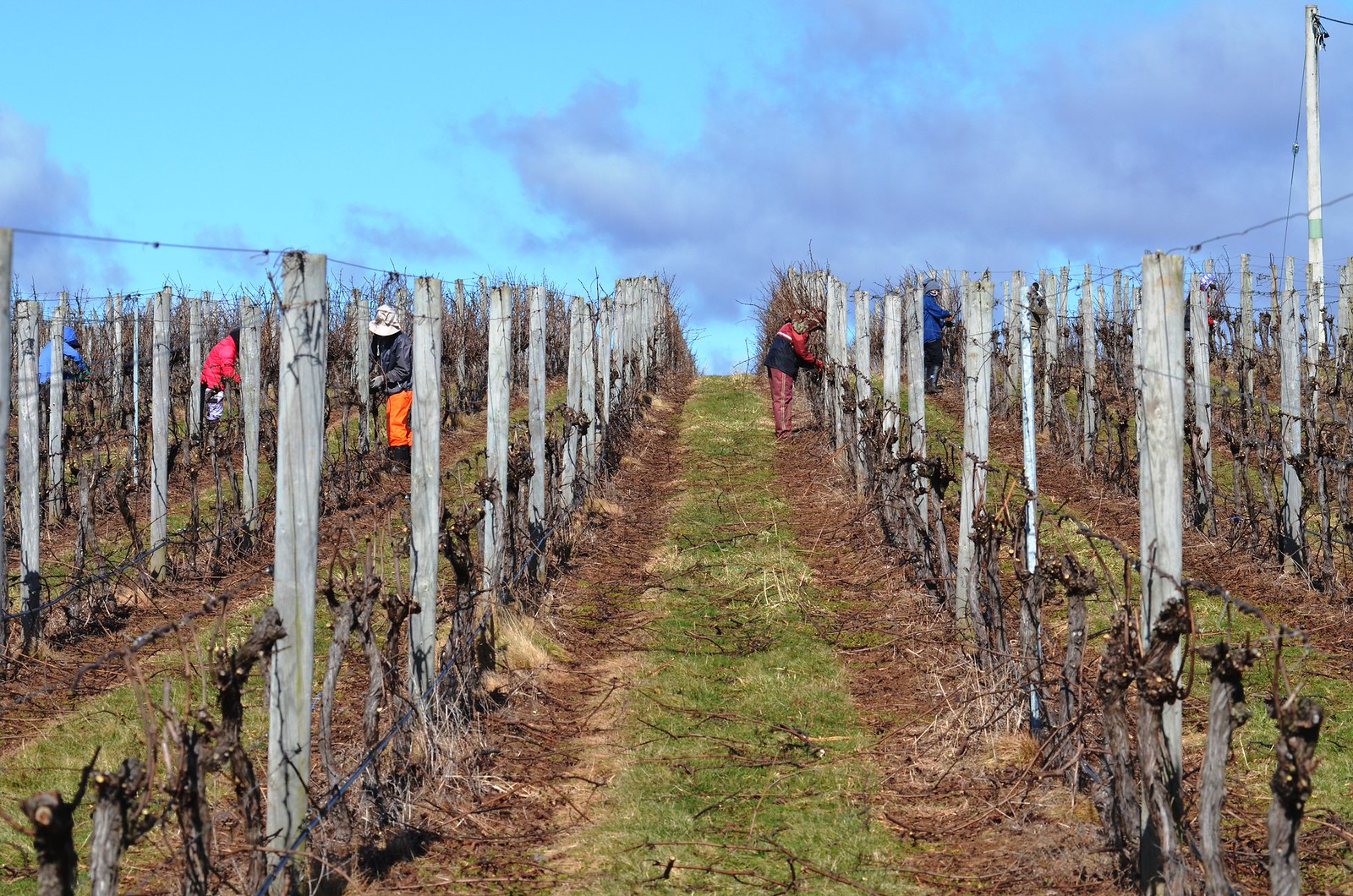
Tasmania’s median house price has edged up to $560,000 this winter, still well below the dizzying growth of 2021, but comfortably outpacing pre-pandemic levels. Battery Point’s sandstone terraces and leafy West Hobart streets-once magnets for mainland bargain hunters-have seen price momentum flatten since last year, but not falter.
Tasmanian Prices: From Pandemic Peaks to 2026 Stability
The market matters because it powers local confidence and shapes long-term migration. Back in 2021, Fletchers Real Estate clocked a 25% surge in Hobart median prices across twelve months, fuelled by remote working and new mainland arrivals. That heat has dissipated, cooling auction chatter in Launceston’s Invermay or North Hobart cafés. Yet property professionals insist Tasmania remains a hot ticket compared to other regional Australian markets now seeing outright falls.
By 2022, data from the Real Estate Institute of Tasmania showed homes in sought-after Battery Point fetching a median $1.35 million-a figure that softened as interest rates climbed. In June 2026, Battery Point sits around $1.23 million, a modest slip, but still double the 2018 figure. Launceston, once a value alternative, has seen the city’s median rise to $525,000, up from $410,000 in 2021, driven by local buyers and an increasing number of small business relocations, according to figures provided by PRD Northern. New apartments on St John Street, pushed by council-backed Urban Renewal Tasmania projects, have also lifted the lower end of the market.
Stats Show Moderation, Not Collapse
Property data from CoreLogic released in May showed statewide annual price growth at just 2.1% this financial year-down sharply from 15% in 2021, but in positive territory despite national jitters. The number of days on market for Hobart homes has crept up to 46 from a low of 17 in late 2021, according to local agency Ripple Realty. Auction clearance rates are also softening, with only 39% of listed homes selling under the hammer last month. In Launceston, the city council’s new infrastructure investments along York Street are cited by agents as encouraging owner-occupiers rather than rapid resales.
For many, the questions remain: is now a good time to buy, or should Tasmanians wait and see? Agents say those who purchased at the top of the 2021 cycle are likely still in the green, given the relative resilience of local values. Buyers looking at New Town or emerging North Hobart may see less competition than during the wild days of 2021, with several properties on Augusta Road recently selling below initial expectations but still above pre-pandemic values.
Looking ahead, experts tip more muted growth through 2027, rather than a dramatic correction. First home schemes from Homes Tasmania and the state government’s land release in Sorell are expected to support lower-priced suburbs. Right now, local sellers aren’t dropping prices en masse, and the days of $150,000 reserves smashed at weekend auctions in Sandy Bay’s Salamanca Square are-at least for now-history.
This article is general information only and is not personal financial or investment advice. Consider your own circumstances and seek licensed professional advice before making financial decisions.