property
Tasmania's Property Market Shifts as Planning Laws Drive Prices to $560,000
Recent updates to the state's planning laws are having a significant impact on the local real estate scene, with median house prices sitting at around $560,000
How we reported this
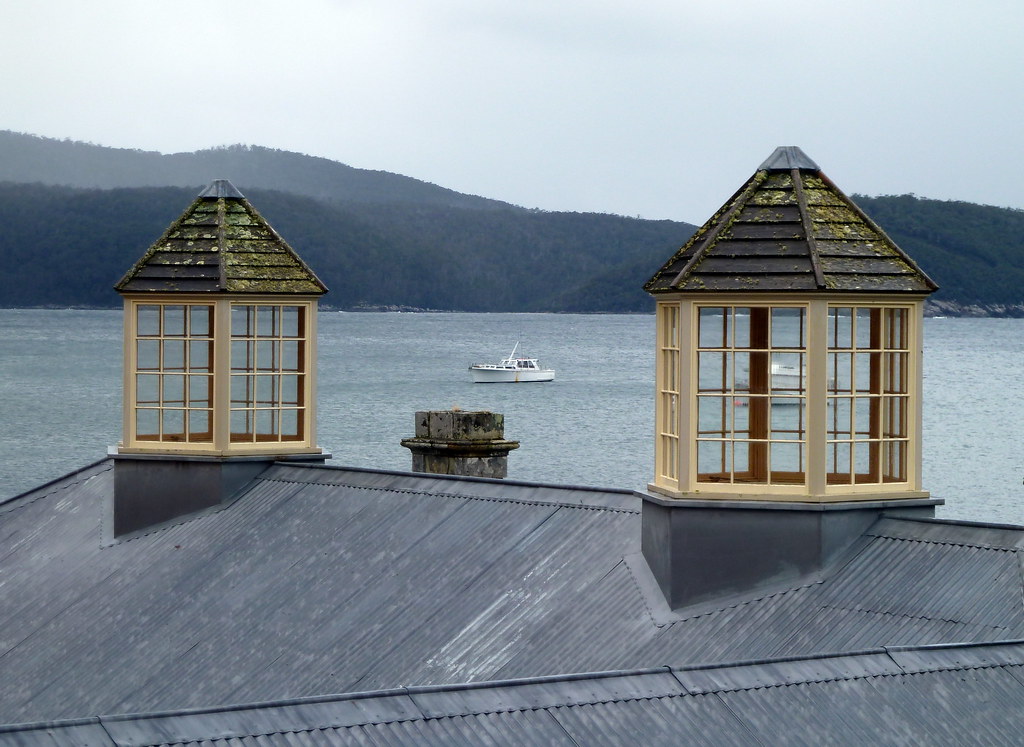
The Tasmanian Government's latest planning policy changes are set to alter the landscape of the state's property market, particularly in areas like Sandy Bay and Battery Point, where median house prices can reach upwards of $1 million.
The reasons behind this shift are twofold: a lifestyle migration boom, driven in part by the COVID-19 pandemic, has seen an influx of new residents to the state, putting pressure on existing housing stock, while a review of the state's planning laws has led to increased flexibility in development applications, potentially paving the way for more high-density projects in areas like Launceston.
Locally, the impact of these policy changes can be seen in specific neighbourhoods, such as Salamanca, where the mix of old and new developments is changing the character of the area, and in suburbs like West Hobart, where the Tasmanian Government's Affordable Housing Strategy is aiming to deliver more affordable housing options through initiatives like the $20 million House Price Guarantee program. Organisations like the Housing Industry Association and the Real Estate Institute of Tasmania are also keeping a close eye on these changes, as they work to support the state's growing population.
According to data from CoreLogic, the median house price in Tasmania has increased by 7.5% over the past 12 months, with some areas, like the north-west coast, experiencing even higher growth rates, of up to 15%. Meanwhile, the latest figures from the Australian Bureau of Statistics show that, as of March 2026, the state's rental vacancy rate had fallen to just 1.2%, highlighting the strong demand for housing in the state. On specific streets, like Elizabeth Street in Hobart, rental prices have risen by as much as 10% in the past year, reaching $550 per week for a two-bedroom apartment.
Market Implications
So, what does this mean for buyers, sellers, and renters in Tasmania? According to experts, the increased flexibility in development applications is likely to lead to more high-density projects, which could help to alleviate some of the pressure on the state's housing market. However, it's also likely to lead to increased competition for existing properties, particularly in areas like Battery Point, where prices are already high. As the state's population continues to grow, driven in part by the lifestyle migration boom, it's essential for buyers and renters to stay informed about the local market and to seek advice from reputable real estate agents, like those at organisations like LJ Hooker and Raine & Horne.
For now, prospective buyers and renters in Tasmania can expect a competitive market, with prices likely to remain high, particularly in areas like Salamanca and Sandy Bay. However, with the right advice and a clear understanding of the local market, it's still possible to find the right property, at the right price, in this beautiful state. The City of Hobart's planning department, as well as the Tasmanian Planning Commission, will be crucial in shaping the state's property market, as they work to balance the needs of the state's growing population, with the need to preserve the unique character of areas like Salamanca and Battery Point.
This article is general information only and is not personal financial or investment advice. Consider your own circumstances and seek licensed professional advice before making financial decisions.