property
Tasmanian Planning Shake-up Sends Ripples Through Local Property Market
Major policy tweaks and planning decisions are reshaping values from Sandy Bay to Invermay, with buyers, sellers and developers scrambling to keep pace.
How we reported this
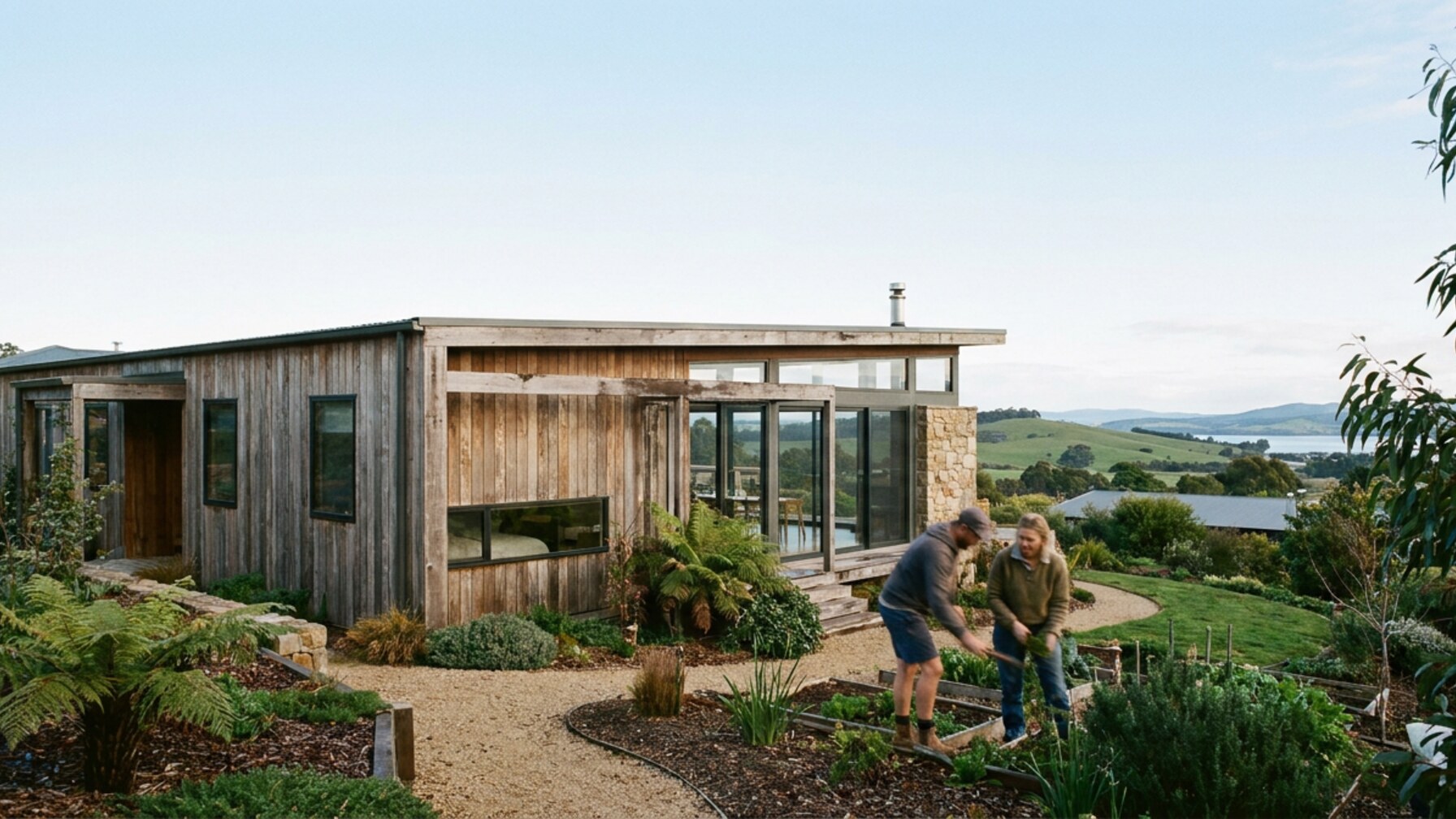
The Tasmanian Government has just rubber-stamped the new Planning Scheme Amendment 37, fast-tracking medium-density residential developments in key Hobart and Launceston corridors, and igniting fresh debate over the direction of the state's property market.
The decision hits at a pivotal moment for Tasmania, which has seen explosive interstate migration since 2023. With buyers from New South Wales and Victoria elbowing into Hobart’s tightest enclaves, and Launceston’s leafy suburbs emerging as a sought-after alternative, the way local councils regulate growth now carries even more weight for both long-term residents and new arrivals.
Hobart Hotspots and the New Rules
Among the targeted zones, Sandy Bay and Battery Point are front and centre. Under Amendment 37, multi-unit townhouse developments on Davey Street and along Hampden Road will bypass some previously required public consultation hurdles, provided projects meet strict design guidelines set down by the Hobart City Council. Meanwhile, in the north, Launceston’s Invermay and Trevallyn districts have been rezoned to support larger scale infill sites, with a special focus on unlocking vacant lots along Invermay Road for apartments and mixed-use projects.
The Property Council of Tasmania estimates that the amendment could release approvals for over 600 new homes by late 2027, with priority given to developments that include a quota of affordable dwellings. "There’s real momentum, but also concern about neighbourhood character and infrastructure," said one senior agent, pointing to the cluster of construction sites near Parliament Square and along the Derwent waterfront.
Market Moves: Data and Impact
The changes arrive amid record prices. According to CoreLogic’s June figures, Tasmania’s median house price is $561,000-a 4.2% increase year-on-year. In Sandy Bay alone, median prices have jumped to $1.14 million, with listings along Regent Street closing in days. Launceston’s central and north suburbs have followed suit; in May, a three-bedroom townhouse in Trevallyn sold for $852,000, well above expectations. Meanwhile, auction clearance rates in Greater Hobart have hovered at 61%, down slightly from early 2025 amid tighter lending conditions.
Planning applications, meanwhile, have surged. The City of Hobart has logged a 35% uptick in medium-density permit applications since the amendment’s draft release in February, a number confirmed by local planning consultants and developers attending last month’s Tasmanian Planning Conference.
What Buyers and Owners Should Expect
The implications for residents are concrete. Buyers should move quickly, particularly in newly rezoned pockets of Launceston and Glenorchy, before price premiums firm. Developers seeking to tap into the approvals pipeline should brush up on updated design codes-especially provisions around height and heritage-before submitting fresh plans. For current owners, the best approach may be a professional valuation: in neighbourhoods like Battery Point and North Hobart, zoning changes could add a significant premium for properties capable of subdivision or redevelopment.
And for all parties, keeping watch on council bulletins is critical. Amendments to Hobart’s Urban Design Framework are due in September, while the next round of public information sessions for Launceston residents will be hosted at the QVMAG Inveresk campus on July 15. Tangible changes are finally coming, and Tasmania’s housing market looks set to adjust again in their wake.
This article is general information only and is not personal financial or investment advice. Consider your own circumstances and seek licensed professional advice before making financial decisions.