property
Tasmania’s Property Market in 2026: Price Growth Steadies After 2021 Boom
Median prices remain well above pre-boom levels, but the white-hot growth of 2021 is now a memory for Hobart and Launceston alike.
How we reported this
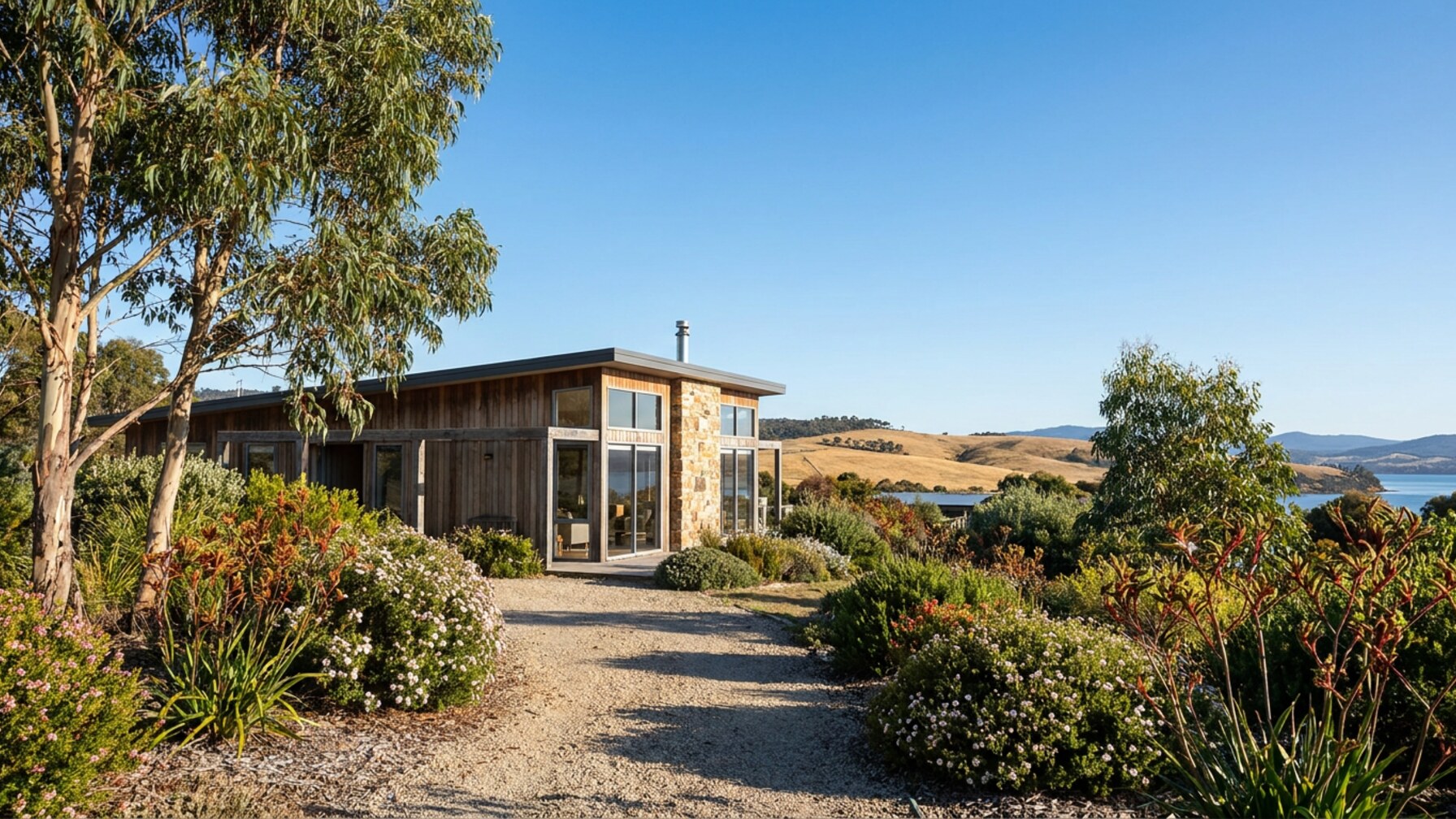
Tasmania’s property market has pulled back from the dramatic highs of the 2021 boom, with median sale prices in Hobart up just 3% over the past year-marking the slowest annual growth since 2018, according to figures released this week by Property Council Tasmania.
The state’s cooling trajectory comes as locals and mainland buyers adjust to higher interest rates, more stringent lending criteria, and growing affordability concerns. With mortgage repayments up sharply since the Reserve Bank’s hiking cycle began in late 2022, real estate agents in suburb hotspots like Sandy Bay report noticeably fewer interstate investors than at the market’s fever pitch three years ago.
From Frenzy to Steadier Ground
During 2021, Hobart experienced its sharpest ever property upturn: the city’s median house price surged more than 30% in twelve months, with Battery Point recording million-dollar sales on Fitzroy Place and marque properties in West Hobart flipping within days. In contrast, agents told The Daily Tasmania this week that auction clearance rates across Glenorchy and Kingston now hover just above 60%-a far cry from the near-total clearance of 2021, when buyers often paid well above listed prices.
Launceston, which saw an influx of lifestyle migrants during the pandemic, is also cooling but remains attractive to buyers priced out of Hobart. The city’s median house price is sitting at $505,000 according to the Real Estate Institute of Tasmania’s June 2026 report-a $200,000 increase since pre-pandemic days, but a plateau over recent quarters. In the old river suburb of Invermay, the number of private treaty listings has risen steadily, with days on market now stretching beyond five weeks for most residential properties.
The Power of Data: What the Numbers Say
Latest CoreLogic figures put the Hobart metro median at $568,000 as of July 1, up from $436,000 in December 2020. But analysts note the pace of quarterly growth has halved since last winter. The volume of new listings is up 18% year-on-year, suggesting more owners are trying to cash in before any broader correction. Real Estate Institute of Tasmania president Tony Collidge pointed to a 15% drop in investor purchases since April due to stricter lending tests and ongoing rental reform debates at Parliament House.
In regional towns from Cygnet to Devonport, price growth has been replaced by stability: Cygnet’s median sits at $463,000, unchanged in 12 months. Rental vacancy has eased to 2.3% statewide, helped by new housing completions in Kingston Park and Mount Nelson, the state government’s two flagship development zones.
Looking Ahead: Advice for Buyers and Sellers
Industry experts and buyer’s agents suggest that the market’s return to a slower pace is bringing balance back, with greater opportunities for those frustrated by the 2021 frenzy. Prospective purchasers interested in long-term value are encouraged to focus on established neighbourhoods close to the Hobart CBD-such as North Hobart or South Hobart-where price growth is forecast to remain resilient, even if year-on-year gains are modest.
Sellers, meanwhile, are being advised to temper expectations. Pricing right is key in the current market, with over-ambitious listings in leafy enclaves like Sandy Bay or sought-after streets such as Rupert Avenue sitting unsold for months. While Tasmania may never return to the breakneck acceleration seen in 2021, analysts agree the fundamentals remain strong-low unemployment, natural amenity, and limited land supply continue to underpin values, just on a much steadier ascent.
This article is general information only and is not personal financial or investment advice. Consider your own circumstances and seek licensed professional advice before making financial decisions.