property
Tasmania’s Soaring Property Prices: What’s Driving the Market and What Buyers Need to Know Now
Lifestyle migration, low listings, and investor appetite are fuelling Tasmanian price growth-here’s your essential update for navigating the 2026 market.
How we reported this
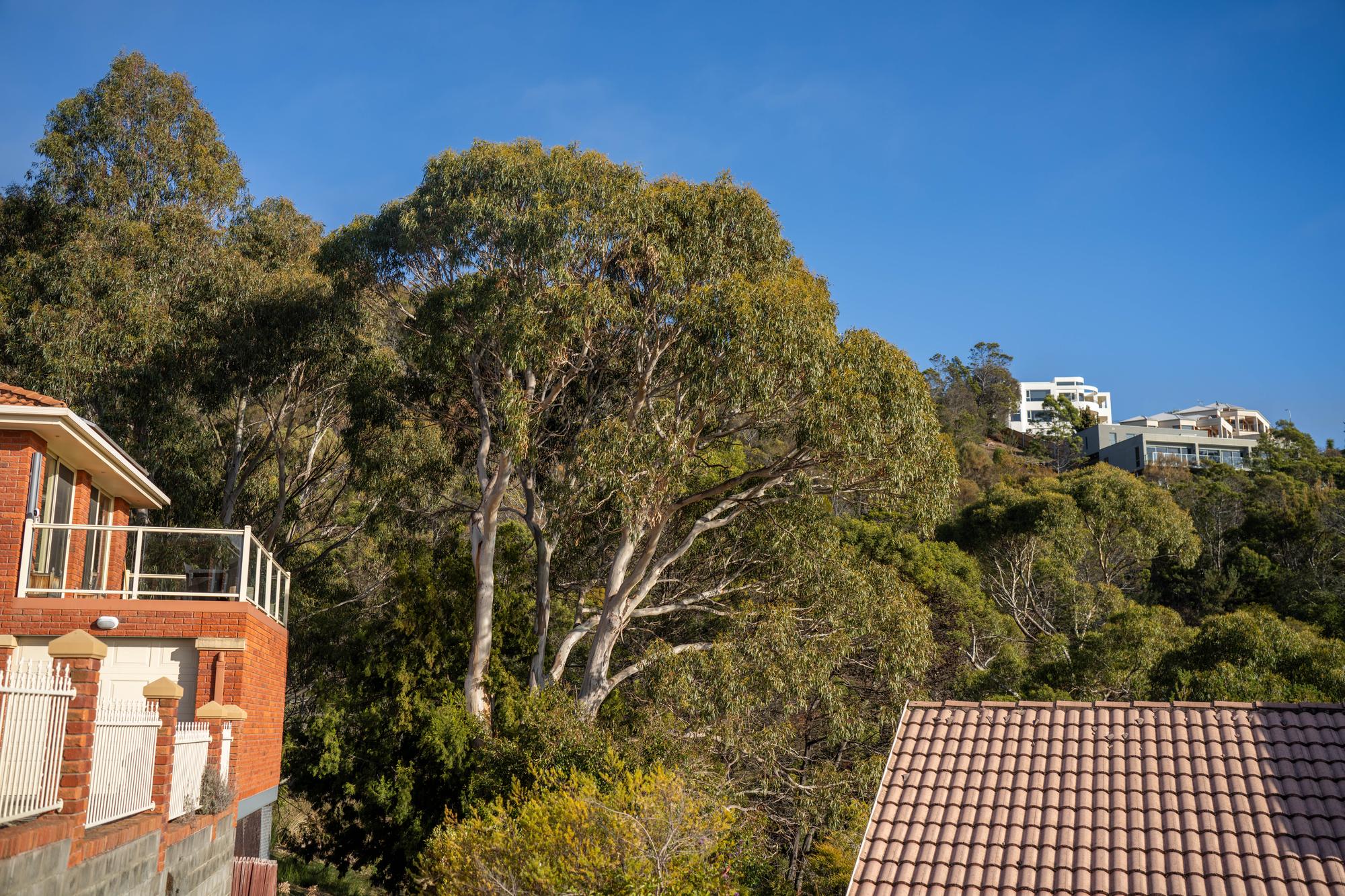
Tasmania’s median house price has climbed to $560,000 this winter, putting more pressure on buyers as demand continues to outpace new listings across greater Hobart and beyond. With fresh interest from mainland investors and a steady influx of lifestyle migrants, competition in key neighbourhoods such as Sandy Bay and Launceston’s East Tamar is rewriting the rulebook for local house hunters.
Mainland Money and Moving South
This surge in prices matters now more than ever for local residents-especially first-home buyers and growing families-who are finding it harder to secure a spot in established suburbs. A mix of factors is driving Tasmania’s standout price growth. Real estate sources point to a new wave of arrivals from Victoria and New South Wales. The digital-first work culture and perception of Tasmania as a ‘safe haven’ are attracting buyers set on neighbourhoods like Battery Point or West Hobart, where a Federation cottage on Davey Street recently fetched $1.62 million, well above guide. According to the Property Council of Tasmania, Hobart remains Australia’s tightest capital city for rental vacancy, sitting at just 1.1% for June.
Further north, Launceston has turned heads as an emerging alternative. Agents along Wellington Street report strong demand for family homes and small-farm lifestyle blocks. The University of Tasmania’s Inveresk campus expansion is also drawing younger buyers and academic staff, further fuelling competition around the CBD and Newstead. "When the right property in Newnham or Trevallyn comes up, enquiry is almost instant," said a local agency manager. The government’s recent review of the First Home Buyer Grant, which offers up to $30,000 for eligible buyers, is only stoking demand further.
The Numbers Behind Tasmania’s Market
CoreLogic data to June 30 shows median prices in Sandy Bay at $1.18 million, up 8.4% year-on-year, and a record sale for a Battery Point townhouse on Kelly Street that reached $2.04 million in May. In Launceston, the median now sits at $538,000-still below Hobart, but up 10.2% since July last year. Even outer suburbs like Claremont and Rokeby have surged, with entry-level houses regularly topping $480,000 after brisk auctions. Stock is scarce: realestate.com.au recorded just 302 new listings in greater Hobart in June, the lowest monthly total since 2017.
Local organisations such as Shelter Tasmania warn that rising prices are pushing more residents towards the rental market, worsening an already-stretched supply. Meanwhile, investors remain active, despite the state government’s proposed 2025 reforms limiting short-term holiday lets in high-demand zones.
Buyers should expect little let-up through spring. Industry insiders tip more sellers to test the market after winter, but competition for well-presented homes in Hobart and Launceston’s inner north is likely to remain fierce. Experts recommend preparing finance early, attending midweek inspections on streets like Fitzroy Place and Collins Street, and keeping tabs on fast-moving listings through local agencies. There are still opportunities in overlooked areas-from South Hobart units fetching under $550,000 to West Launceston terraces-but waiting for a ‘crash’ could mean missing out altogether. As Tasmania’s real estate market marks another record-setting year, local buyers need every strategy at their disposal.
This article is general information only and is not personal financial or investment advice. Consider your own circumstances and seek licensed professional advice before making financial decisions.