property
Regional Tasmania Renters Beat Capital Cities as Lifestyle Migration Strains Markets
Tenants in Launceston and Devonport fare better than those in Hobart or Australian capitals, but cracks are emerging as lifestyle migrants flood in.
How we reported this
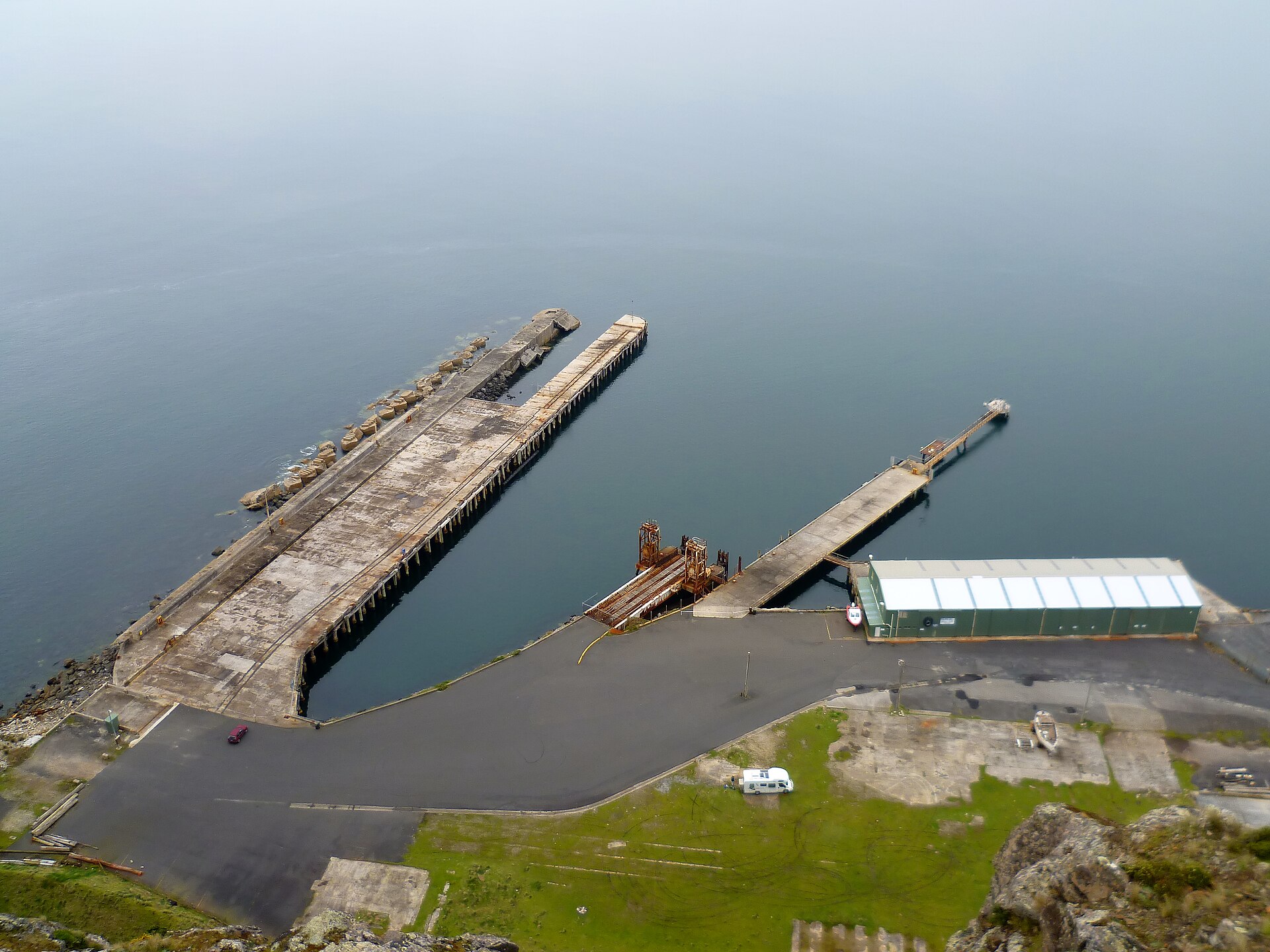
Tasmania’s regional towns are standing out as rare bright spots for rental affordability as capital city markets across the country soar out of reach, but for how much longer remains an open question.
Price Gaps Widen as Mainland Interest Surges
The state’s housing squeeze, already intense in Hobart, has been thrown into sharp relief this winter, as new data from the Tasmanian Residential Rental Board shows median weekly rents in Launceston at $430, compared to $570 in inner Hobart suburbs like Sandy Bay. The disparity is even larger set against Sydney ($780) or Melbourne ($660), making Launceston’s recently gentrified East Tamar district a drawcard for both locals and out-of-state arrivals.
This influx is being driven by a surge in so-called “lifestyle migration.” According to the Migration Tasmania program, more than 4,800 new arrivals nominated regional postcodes in the north and northwest between January 2025 and June 2026. Property managers in Devonport’s Oldaker Street precinct are reporting vacancy levels below 1%, forcing rents upward but maintaining relative affordability compared to mainland benchmarks.
"We have seen families who would not have considered Devonport two years ago now competing with professionals from Sydney and Brisbane," said a local letting agent, describing record attendance at open house inspections near Victoria Parade.
Tasmania in the Numbers: Where Renting Still Wins
While Battery Point’s median house price pushes $1.3 million according to CoreLogic’s June index, regional centres retain some purchase appeal. A typical three-bedroom brick home on High Street in Ulverstone lists around $495,000, still below Tasmania’s $560,000 median and far less than equivalent capital city properties. For many Tasmanians, however, wage growth hasn’t kept pace. Data from Anglicare’s 2026 Rental Affordability Snapshot found just 14% of regional listings affordable for households on median incomes, compared to 7% in Hobart and a brutal 3% in Melbourne.
Young singles and older downsizers are faring better in Newstead, Launceston’s leafy heart, where units are leasing for $380 a week, apartments around Salamanca Place, by contrast, rarely list below $600. That difference has seen rental migration out of the south: Infrastructure Tasmania’s Northern Expansion Program recorded a 16% year-on-year uptick in new residential tenancy agreements north of Campbell Town.
What Next for Regional Renters and Buyers?
For those eyeing a foothold in Tasmania’s regional markets, acting quickly seems wise. Local agents expect steady increases through spring as population growth and low stock levels keep competition fierce. Launceston City Council has announced a fast-tracked approvals process for infill developments in South Launceston, but completions aren’t tipped to ease pressures until late 2027.
Renters weighing whether to buy face tough maths: mortgage repayments on a median-priced home in Devonport now exceed average local rents by over $120 per week, even before maintenance costs. Financial advisers at the Migrant Resource Centre Tasmania recommend would-be buyers stress-test repayments at rates 1.5% above current offers, as the RBA signals possible hikes now inflation remains sticky.
“Tasmania’s regions still lead for rental value, but the gap is closing,” a Sandy Bay conveyancer told The Daily Tasmania. With Hobart and the capitals running away in price, regional renters and buyers should move fast, or risk being squeezed out by another wave of mainland migration before new housing supply arrives.
This article is general information only and is not personal financial or investment advice. Consider your own circumstances and seek licensed professional advice before making financial decisions.