property
Tasmania's Property Market Shifts: New Planning Rules Reshape Sandy Bay, Launceston
Recent amendments to the Tasmanian Planning Scheme and changes to zoning regulations are set to impact the state's booming property market, particularly in areas like Sandy Bay and Launceston.
How we reported this
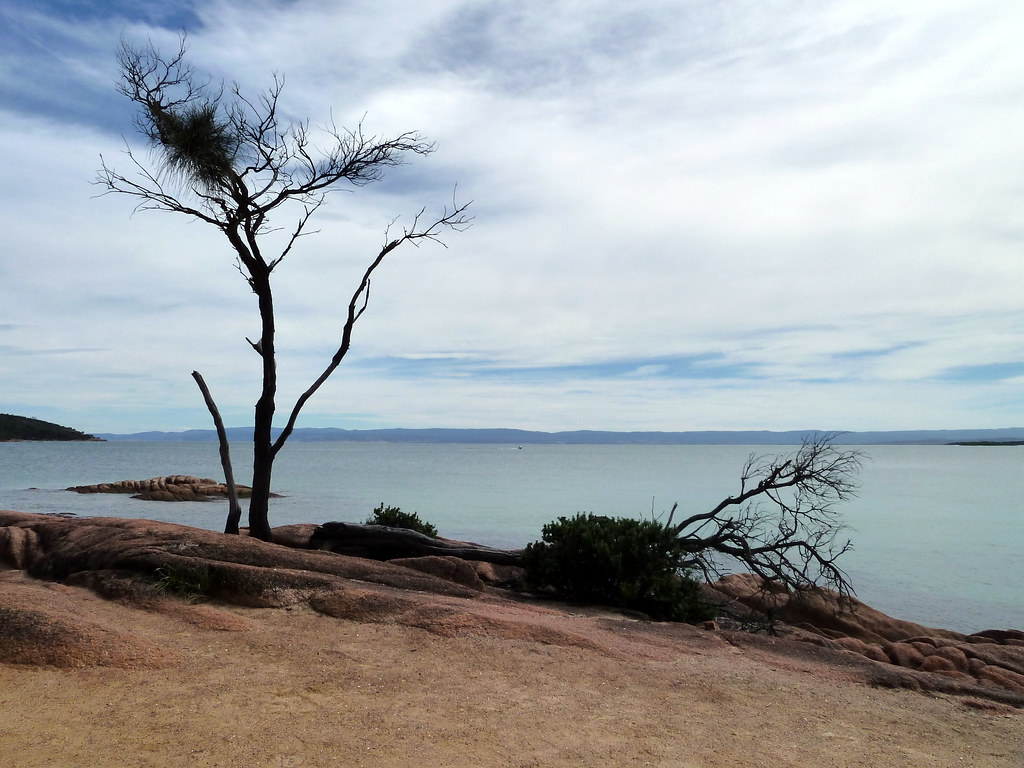
The Tasmanian Government's recent approval of amendments to the Tasmanian Planning Scheme has sent ripples through the state's property market, with potential buyers and sellers eagerly awaiting the impact of these changes on the local real estate landscape.
These policy changes and planning decisions matter now more than ever, given Tasmania's current lifestyle migration boom, which has seen the state's median house price rise to around $560,000. The changes are expected to influence the way developers and homeowners approach new projects, particularly in premium areas like Sandy Bay and Battery Point, where prices often exceed $1 million. As the state's population grows, driven by the allure of its natural beauty and relaxed lifestyle, the need for balanced development and careful planning has become increasingly important.
In specific terms, the amendments are likely to affect the way properties are developed and sold in areas such as Salamanca Place in Hobart and the Seaport precinct in Launceston. Organisations like the Housing Industry Association (HIA) Tasmania and the University of Tasmania's School of Architecture and Design will be closely watching the rollout of these changes, given their potential to shape the future of the state's built environment. The City of Hobart's planning department, for example, has already begun to implement new zoning regulations along streets like Davey Street and Macquarie Street, which are expected to influence the character of these neighbourhoods.
Market Impact and Data
According to data from the Real Estate Institute of Tasmania (REIT), the state's property market has experienced significant growth over the past year, with the median house price in Hobart increasing by 12% to $620,000. In Launceston, the median price has risen by 9% to $430,000. These statistics suggest that the market is responding to the influx of new residents and the subsequent demand for housing. However, with the introduction of new planning regulations, it is likely that the market will undergo further shifts, potentially leading to increased prices in areas zoned for higher-density development, such as the North Hobart precinct.
As the property market in Tasmania continues to evolve, buyers and sellers would be wise to stay informed about the latest policy changes and planning decisions. The Tasmanian Government's website provides regular updates on amendments to the planning scheme, while organisations like the REIT and HIA Tasmania offer valuable insights and analysis on the market's trends and directions. By staying ahead of the curve, individuals can make more informed decisions about their property investments and navigate the changing landscape of Tasmania's real estate market.
This article is general information only and is not personal financial or investment advice. Consider your own circumstances and seek licensed professional advice before making financial decisions.