property
Tasmania's House Prices Hit $560,000 as Auction Clearance Rates Tighten
With the state median nudging $560,000 and clearance rates tightening, the signals from Tasmania's property market in mid-2026 are hard to ignore.
How we reported this
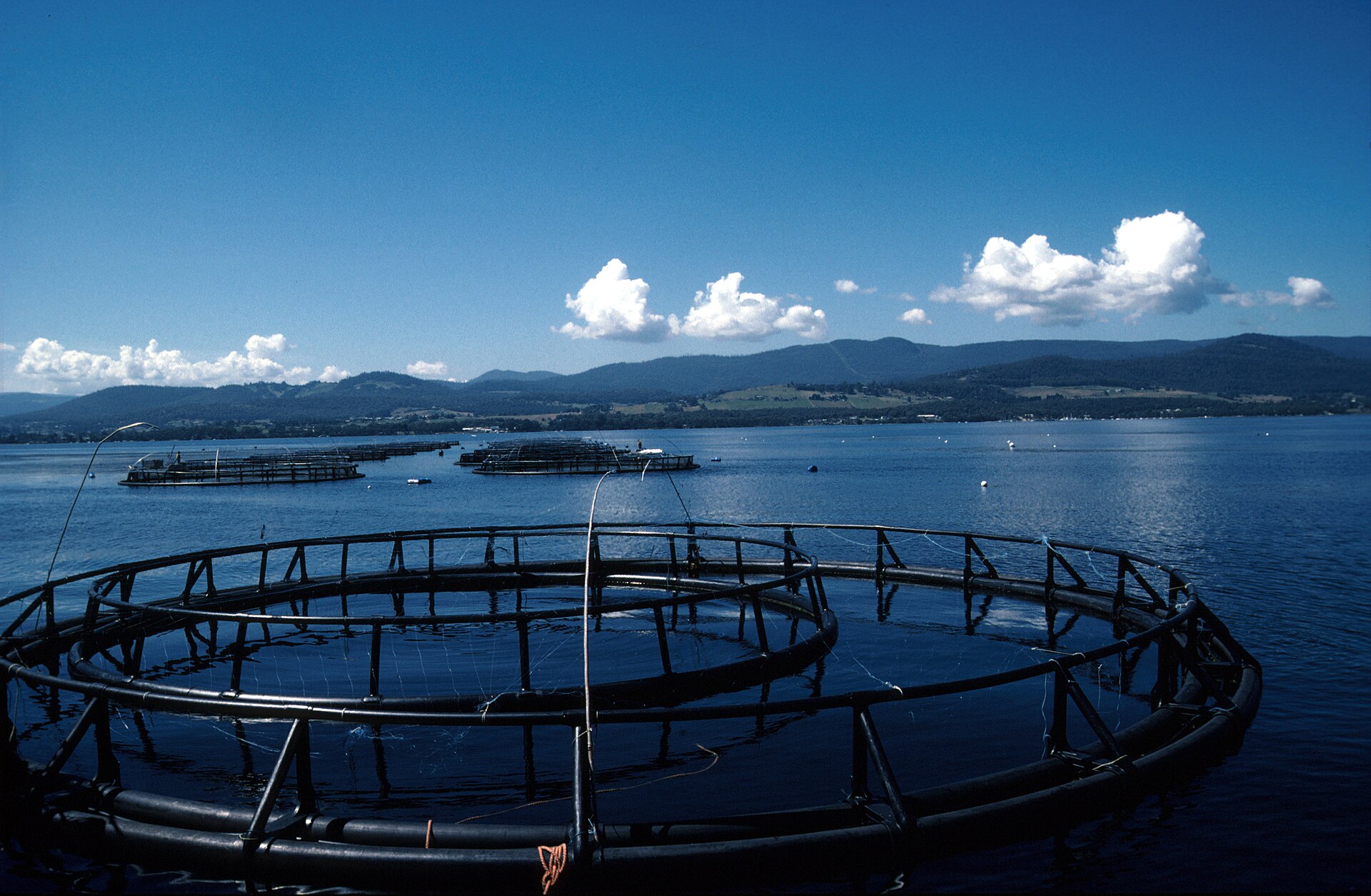
Tasmania's residential property market has not blinked. The state's median house price is holding above $560,000, auction clearance rates in Hobart's inner suburbs are running at roughly 70 percent through the June quarter, and stock on market remains thin enough that buyers making their third or fourth offer are still commonplace. The numbers tell a consistent story: demand is outpacing supply, and the gap is widening.
This matters now because the Reserve Bank of Australia's May rate cut, the second reduction since February, was supposed to unlock some relief for stretched buyers. For much of the mainland, particularly Melbourne, sellers have retreated from auctions and campaign lengths have blown out. Tasmania has moved in the opposite direction. The divergence is not accidental.
Sandy Bay, Battery Point and the Launceston Equation
The premium end of the Hobart market has been the sharpest indicator. Sandy Bay recorded a median sale price of approximately $980,000 in the 12 months to June 2026, with several homes on streets like VIEW Road and Runnymede Street clearing well above reserve at weekend auctions. Battery Point, already commanding some of the tightest inventory in the state, saw fewer than 40 properties change hands in the same period, a volume constraint that has kept prices firm regardless of broader sentiment shifts.
Launceston is the other signal worth watching. The city's median is now sitting close to $520,000, and the suburb of Newstead has become the focus of a small but measurable migration of buyers priced out of Hobart's inner ring. Properties on Trevallyn Road and around the Cataract Gorge precinct have drawn competitive multi-offer scenarios that were rare 18 months ago. Real Estate Institute of Tasmania figures show Launceston's annual price growth tracking at around 6.8 percent for the year to June, slightly ahead of Hobart's 5.4 percent, a reversal of the historical pattern.
The lifestyle migration factor has not faded. Figures from the Australian Bureau of Statistics show Tasmania's net interstate migration remained positive through 2025, with an estimated 2,400 people relocating from other states in the calendar year. Many arrive with mainland equity, pay cash or near-cash, and are not sensitive to mortgage rate movements in the way that first-home buyers are. That insulation at the top of the market has a gravitational effect on prices further down the stack.
What Buyers Should Take From the Auction Results
The practical read for buyers is uncomfortable but clear. Hobart's Saturday auction schedule, concentrated around the REIT-affiliated agencies running campaigns out of Salamanca Place and the city fringe, has not produced the kind of passed-in results that mainland buyers might expect given rate speculation. Pre-auction offers are being rejected with more confidence by vendors. Cooling-off periods are being waived more frequently as buyers accept unconditional contracts to compete.
For anyone tracking the First Home Owner Grant under Tasmania's current $30,000 scheme, the eligibility cap of $750,000 for new builds still provides a workable entry point in outer suburbs like Rokeby, Bridgewater and parts of Launceston's northern fringe. But existing stock in those corridors is also moving faster than it was 12 months ago, and the grant does nothing to address the valuation gap that buyers face at auction.
The second half of 2026 will test whether the current plateau becomes a ceiling or a launching pad. New dwelling approvals in Tasmania fell 11 percent year-on-year in the March quarter, according to ABS building data, and that supply shortfall does not resolve quickly. Buyers waiting for a correction have been waiting for several years. The data right now does not give them much reason to stop waiting, or much reason to be confident they're right to do so.
This article is general information only and is not personal financial or investment advice. Consider your own circumstances and seek licensed professional advice before making financial decisions.