property
Tasmanian Investor Yields Hit Five-Year High as Capital Growth Cools
New data reveals suburbs from Glenorchy to Newnham are delivering some of the nation's strongest rental returns, forcing a strategy shift for property owners.
How we reported this
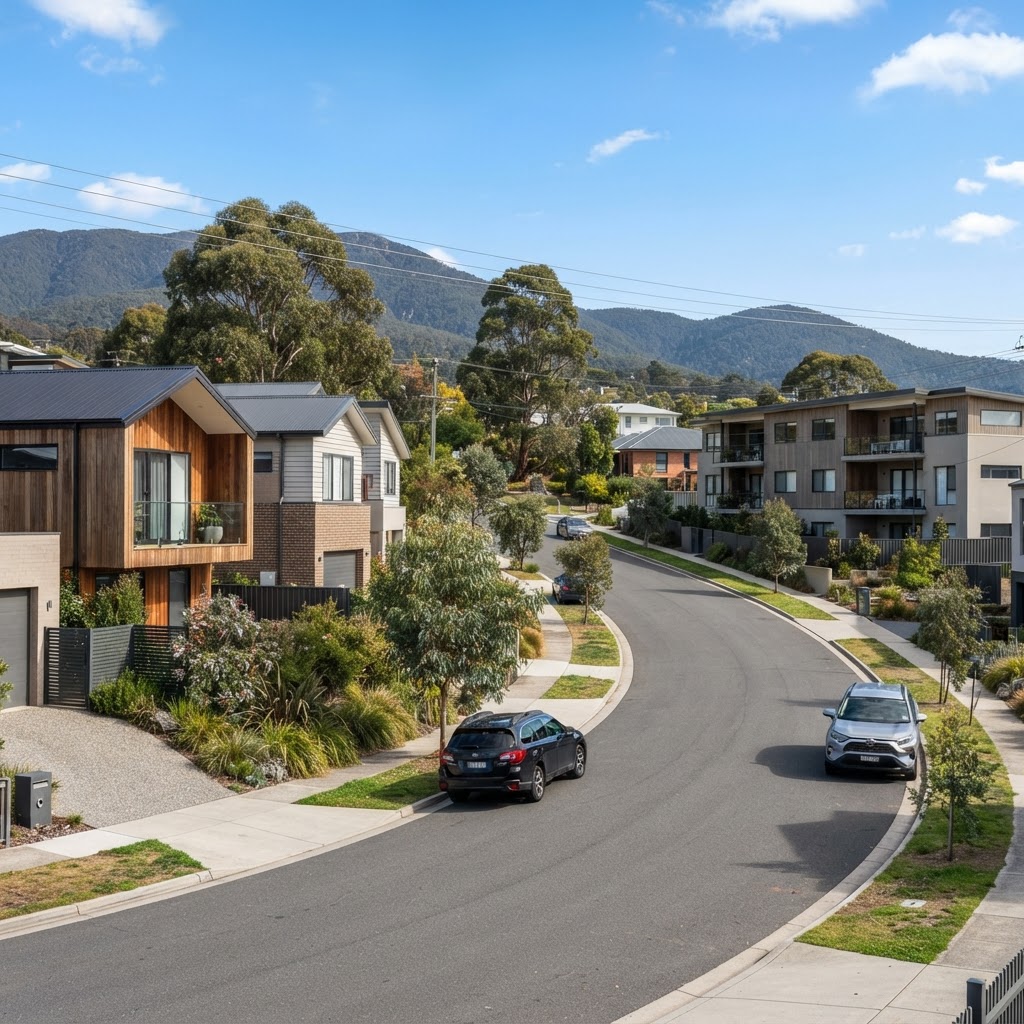
Property investors are finding a silver lining in Tasmania’s cooling housing market, with gross rental yields in key suburbs hitting their highest levels since early 2021. As rapid price appreciation gives way to a more stable market, the focus has pivoted sharply from capital gains to cash flow, and Tasmania’s tight rental market is delivering.
For years, mainland money poured into the state, chasing exponential value growth. That frenzy has subsided. Now, with interest rates holding steady and the cost of living biting, the ability of an investment property to pay for itself has become paramount. A chronic undersupply of rental accommodation, exacerbated by sustained population growth and a sluggish construction pipeline, continues to prop up weekly rents. This dynamic has created a fertile environment for yields, even as the median house price in Greater Hobart has plateaued around the $680,000 mark.
North-South Divide in Investor Appeal
The hunt for yield is redrawing the map for investors. While premier suburbs like Sandy Bay and Battery Point maintain their seven-figure prestige, their rental returns are slim, often struggling to surpass 3.5%. The real returns are being found in middle-ring and emerging areas. In Hobart’s northern suburbs, postcodes for Glenorchy, Moonah, and Claremont are attracting heavy interest due to their relative affordability and strong tenant demand, driven by proximity to the city and major retail hubs.
A similar story is playing out in the north. Launceston suburbs like Newnham and Mowbray, benefiting from the University of Tasmania’s Inveresk campus and the nearby Australian Maritime College, offer a consistent stream of tenants. Investors are also targeting areas like Invermay, banking on its ongoing gentrification and proximity to the city centre. The Real Estate Institute of Tasmania (REIT) has noted this shift, with member agents reporting increased enquiries for properties with strong rental histories over those with just renovation potential.
From Consistent Cashflow to Future Strategy
The numbers from the second quarter of 2026 tell the story. A typical three-bedroom home in Glenorchy, purchased for around $595,000, is now commanding a median rent of $585 per week. This translates to a gross yield of over 5.1%-a figure that is increasingly difficult to find in mainland capitals. The city-wide rental vacancy rate reinforces the trend, hovering at a critically low 1.2% in June, according to industry analysis.
This performance is forcing a change in strategy. The “buy and flip” mentality that dominated the market from 2020 to 2024 has become a high-risk gamble. Instead, savvy buyers are conducting deep analysis of micro-locations. They are weighing a property’s proximity to key employment centres, like the Royal Hobart Hospital or the Launceston General, and assessing its long-term appeal to demographics like students, healthcare workers, and young families.
For those looking to enter the market or expand their portfolio, the message is clear: due diligence has moved beyond a simple valuation. A property on Churchill Avenue in Sandy Bay offers stability but low returns. A house in Ravenswood may be cheaper but carry a higher vacancy risk. Success in Tasmania’s property market in 2026 hinges less on catching a rising tide and more on finding a durable, income-producing asset that can weather a flatter market.
This article is general information only and is not personal financial or investment advice. Consider your own circumstances and seek licensed professional advice before making financial decisions.