property
Investors Are Back, and Tasmania's Owner-Occupiers Are Feeling the Squeeze
After two years on the sidelines, property investors are returning to the Tasmanian market in force, and the ripple effects are being felt from Launceston's inner suburbs to Hobart's most coveted waterfront streets.
How we reported this
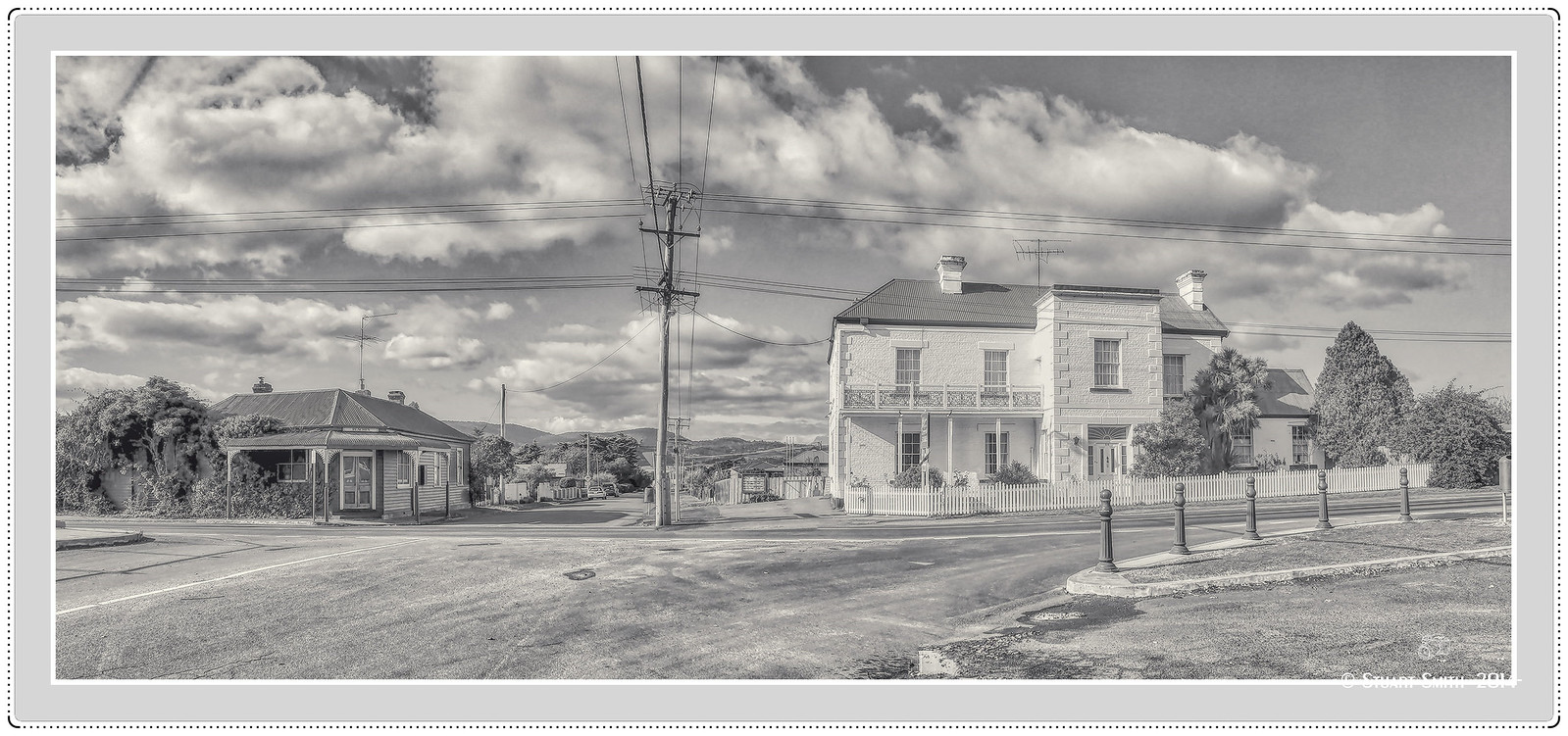
The competition that had eased for first-home buyers and upgraders across Tasmania through 2024 is tightening again. Investors, both mainland-based and local, have re-entered the market at a pace not seen since the pre-pandemic frenzy, drawn back by stabilising interest rates, a chronically undersupplied rental pool, and a state median dwelling price sitting around $560,000 that still looks modest against Sydney and Melbourne benchmarks.
The timing matters. For much of 2024 and into early 2025, higher borrowing costs pushed investor activity to its lowest level in nearly a decade nationally, giving owner-occupiers a rare window to compete on more even footing. That window has narrowed. With the Reserve Bank of Australia having cut the cash rate twice since February 2026, the calculus for negatively geared investment has shifted, and Tasmanian property, particularly in rental-starved suburbs, is drawing renewed attention from buyers who have no intention of living there.
Where the Pressure Is Landing
The suburbs feeling it most acutely are the ones that never really cooled. Sandy Bay, where median house prices have historically sat well above the state figure, continues to draw buyers willing to pay a premium for proximity to the University of Tasmania's Hobart campus and the Sandy Bay Road retail strip. Battery Point, with its Georgian cottages and views across Sullivans Cove, remains the postcard suburb for interstate investors who want both capital growth and strong rental yield narratives.
But the more telling story is unfolding in Launceston. The city's inner north, particularly around Invermay and Inveresk, anchored by the Inveresk Cultural Precinct and a growing hospitality corridor along Brisbane Street, has seen investor interest accelerate sharply in the first half of 2026. Properties that sat for 30 or more days in mid-2024 are now moving in under two weeks in that pocket. Entry-level houses in Mowbray and Ravenswood, long regarded as Launceston's more affordable fringes, are also drawing competitive multi-offer scenarios again, largely from buyers whose stated purpose is tenancy rather than occupation.
Rental vacancy across greater Hobart has remained stubbornly below one per cent for the better part of three years, according to figures published by the Real Estate Institute of Tasmania. That near-zero vacancy is the fundamental engine driving investor confidence. A landlord acquiring in this environment faces virtually no leasing risk, which makes even a slightly lower yield tolerable.
What It Means for Everyone Else
Owner-occupiers and first-home buyers are not being priced out overnight, but the margin for error is shrinking. The First Home Owner Grant administered through Revenue Tasmania, currently $30,000 for eligible new builds, provides some counterweight, though it does nothing to address competition on the established dwellings that make up the bulk of transaction volume in suburbs like West Hobart, Moonah, and Youngtown on Launceston's eastern fringe.
For genuine buyers trying to secure a home to live in, the practical advice from experienced buyers' agents operating in this market is consistent: pre-approval must be fully unconditional before inspecting, and offers contingent on lengthy finance clauses will lose to investor cash or fast-settlement bids almost every time in a multiple-offer situation. Attending the Hobart Property Expo held each year at the Princes Wharf precinct can help newcomers understand the local agents who specialise in off-market introductions, a channel investors use aggressively and that many first-timers don't even know exists.
The broader question for Tasmanian policymakers is whether the state's existing supply pipeline, the residential construction projects pushing through Glenorchy's northern corridor and the Huntingfield land release in Kingston's south, can actually absorb demand before competition tightens further. Construction timelines running 18 to 24 months mean that any new stock breaking ground now won't reach the market until late 2027 at the earliest. Until then, every investor re-entering the market is competing for the same limited pool of existing homes that an owner-occupier wants to call their own.
This article is general information only and is not personal financial or investment advice. Consider your own circumstances and seek licensed professional advice before making financial decisions.