property
Tasmania's Property Market in 2026: How Does It Stack Up Against the 2021 Frenzy?
Five years on from the pandemic-era buying stampede, Tasmanian prices have held firm, but the white-knuckle urgency has gone.
How we reported this
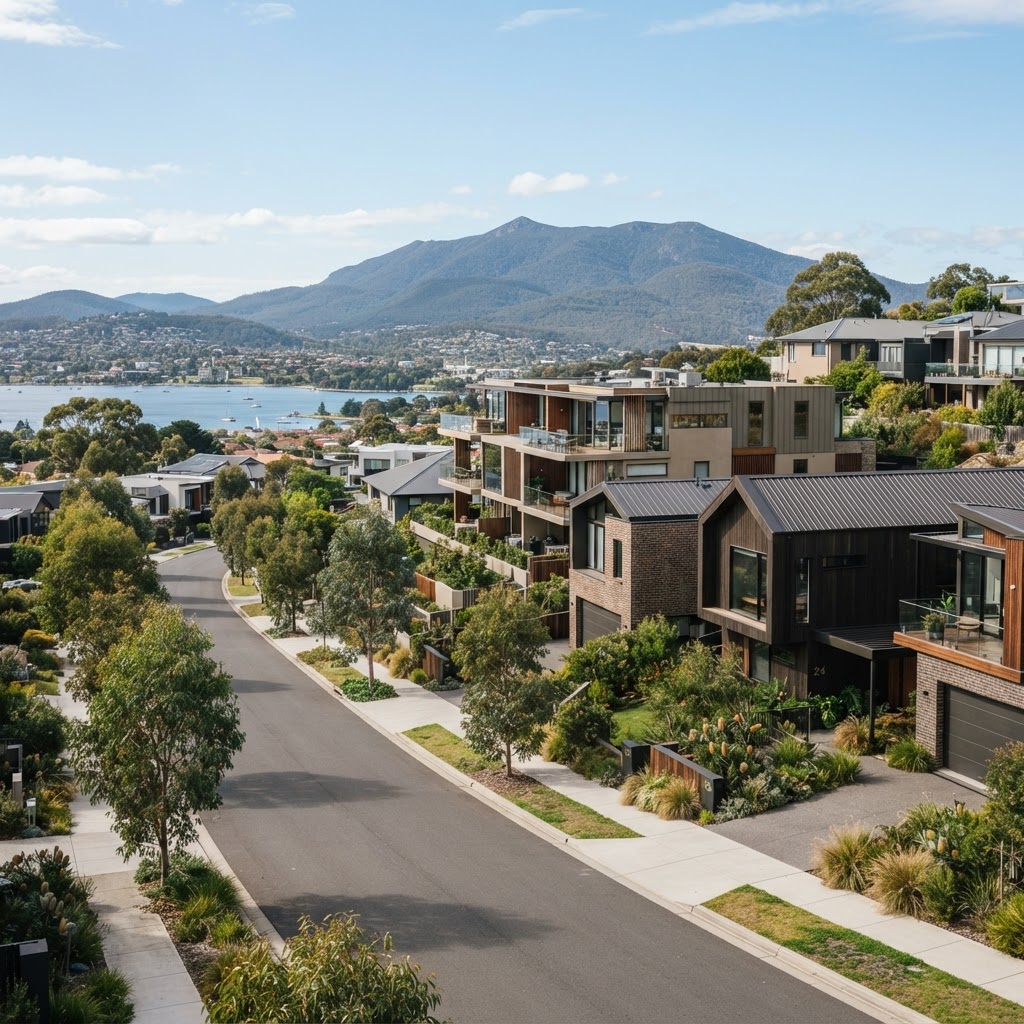
Tasmania's median house price is sitting at around $560,000 in mid-2026, a figure that would have seemed extraordinary to buyers who missed the 2021 boom and swore they'd never pay those prices. They paid them anyway, and then some, over the years that followed. The question now is whether this market is building toward another leg up, or quietly plateauing after one of the most turbulent five-year runs in the state's property history.
The comparison matters because the 2021 cycle reshaped who owns property in Tasmania and who doesn't. Mainland Australians, many of them fleeing Sydney and Melbourne during successive lockdowns, discovered Hobart's cafe strips and Launceston's heritage streetscapes at the same moment that mortgage rates were at historic lows. The result was a buying frenzy that pushed Hobart briefly into the national conversation as one of the fastest-appreciating capital markets in the country. Understanding what's changed, and what hasn't, helps buyers and sellers make decisions grounded in something more reliable than memory.
What 2021 Looked Like From the Ground
In Sandy Bay and Battery Point, the premium end of Hobart's market, properties were changing hands within days of listing during the peak months of late 2021 and into 2022. Expressions-of-interest campaigns were replaced by outright auctions, and vendors who set reserves conservatively watched buyers blow past them. Open homes on streets like Hampden Road in Battery Point drew queues. Real estate agencies including Peterswald Property and Harcourts Hobart were reporting clearance activity that reflected a market where stock was scarce and competing buyers were plentiful.
Launceston was running its own version of the same story. The city's inner suburbs, Newstead, Trevallyn, and parts of West Launceston, attracted buyers priced out of Hobart who still wanted the Tasmanian lifestyle proposition: space, relative affordability, and proximity to wilderness. Entry-level homes that had sat at $350,000 to $400,000 for years were clearing $500,000 or more. The Launceston Property Network and local agents reported inquiry volumes from interstate buyers that were genuinely without precedent for a regional market of that size.
The 2026 Picture: Steadier, Slower, Still Expensive
Today's market is recognisably different in pace but not catastrophically different in price. The $560,000 statewide median reflects an accumulation of gains that didn't fully unwind even when interest rate rises hit borrowing capacity hard through 2023 and 2024. Sellers who bought in 2019 or earlier are still sitting on substantial equity. Those who paid peak 2022 prices in established suburbs are, in many cases, roughly where they started once inflation is accounted for.
Stock levels are higher than they were at the frenzied peak. Properties in suburbs like Glenorchy and Moonah, which saw enormous speculative interest during the boom, are spending more days on market than they did in 2021. Auction clearance rates across greater Hobart have softened compared to the record levels of that period, a pattern consistent with what REA Group data has been showing nationally, including Melbourne's notably weak start to the winter season of 2026.
The lifestyle migration story, however, has not evaporated. Tasmania's appeal to remote workers, retirees, and tree-changers remains structurally intact. The state government's Affordable Homes Program and the ongoing activity of Housing Tasmania continue to shape the lower end of the market, but genuine affordability at entry level remains elusive for first-home buyers without family equity behind them, a demographic that, according to recent national research, still overwhelmingly aspires to ownership regardless of the hurdles.
For buyers eyeing this market now, the practical read is this: the frenzy-tax of 2021, that premium buyers paid simply for showing up, is largely gone. There is more room to negotiate, more stock to inspect, and fewer situations where a decision made in 48 hours is the only path to ownership. That doesn't make it cheap. It makes it calmer. In a market that spent five years testing people's nerves, calm is not nothing.
This article is general information only and is not personal financial or investment advice. Consider your own circumstances and seek licensed professional advice before making financial decisions.