property
Bid Smart or Go Home: Buyer's Agents Reveal Their Auction Day Tactics
With Tasmania's clearance rates tightening and competition fierce in pockets like Sandy Bay and South Hobart, knowing how to play the auction room has never mattered more.
How we reported this
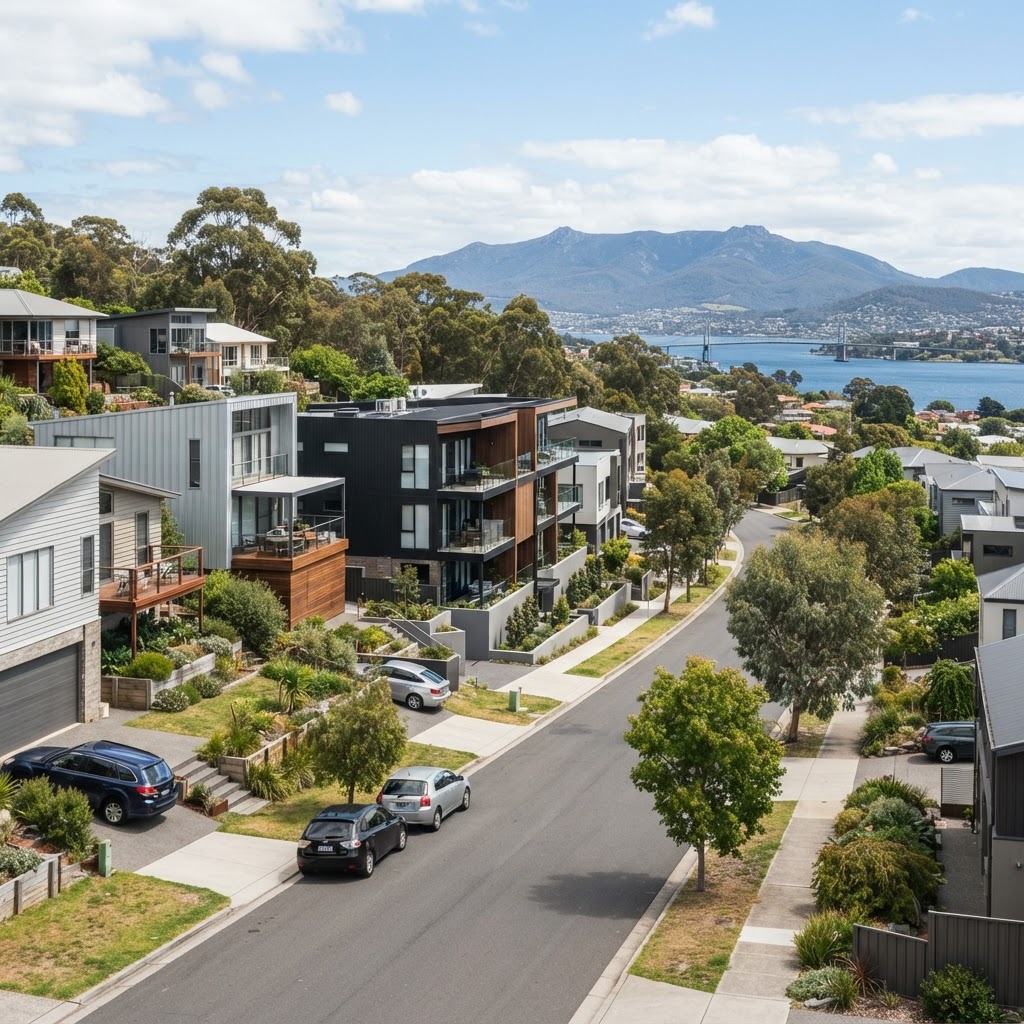
Tasmanian buyer's agents say the gap between winning and losing at auction now comes down to preparation that starts weeks before a single bid is called. As winter clearance rates across the state hold in the low-to-mid fifties, softer than the peaks of 2021 but still punishing for underprepared buyers, the agents who attend auctions professionally are refining tactics they say most owner-occupiers simply don't know exist.
The state's median house price is sitting around $560,000, but that figure masks enormous variation. A three-bedroom weatherboard on a quiet street in Lenah Valley can change hands for $620,000, while entry-level apartments in the Hobart CBD are clearing well under the median. The spread matters because auction tactics are not one-size-fits-all, and buyer's agents based in Tasmania increasingly tailor their approach suburb by suburb.
The Pre-Auction Playbook
The work begins long before auction day. Agents who specialise in buying on behalf of clients typically spend the fortnight prior attending open homes in Battery Point, Newtown, and West Hobart, reading comparable sales lodged with the Tasmanian Land Titles Office, and, critically, speaking with the selling agent to gauge vendor expectations and likely competition levels. Understanding whether a vendor has a hard reserve or a soft one can shape the entire bidding strategy.
On the morning of the auction, experienced buyer's agents tend to position themselves near the auctioneer rather than at the back of the crowd. The logic is partly psychological: bidding from a visible position signals confidence and can unsettle competing buyers. At a recent auction on a Federation-era home in South Hobart, a buyer's agent described the standard practice of placing an early, assertive bid, not a low opener designed to anchor the price, but a solid round number that communicates serious intent and discourages casual bidders from piling in.
Many also advise their clients to set two numbers before arriving: an absolute ceiling, and a psychological comfort price. The ceiling never moves. The comfort price is where they'd be happy to stop. The gap between the two exists precisely for the heat of the room, when an auctioneer calls out one more chance and a competing bidder raises a hand.
Why Melbourne's Slowdown Changes the Hobart Equation
Mainland market data has a ripple effect on Tasmanian sentiment. Melbourne recorded its worst start to winter auctions in recent memory this year, and some of that anxiety has bled into buyer psychology here. Lifestyle migrants who might have otherwise made swift decisions are pausing, doing more due diligence. That has fractionally lengthened the time premium Sandy Bay and Battery Point properties spend on market before auction day, giving cashed-up local buyers a slightly better chance to compete against interstate interest.
Buyer's agents in Hobart say properties in the $650,000 to $850,000 range, detached homes in suburbs like Dynnyrne, Fern Tree, and Blackmans Bay, are seeing the most competitive auction fields right now, typically drawing between four and eight registered bidders. Below that band, the field often thins to two or three. Above it, finance conditions can knock out competitors who haven't secured pre-approval, which is itself a tactical advantage for any buyer who arrives fully finance-ready.
For buyers heading to auction without professional representation, the consistent advice from agents is threefold. First, attend at least three auctions as a spectator before you bid competitively, the Hobart Real Estate Institute holds periodic buyer education sessions, and local agents often run information nights in suburbs like Moonah and Glenorchy where first-home buyer activity is concentrated. Second, never let a bid end in a round number if you can help it; a bid of $601,000 can psychologically close out a competitor sitting at $600,000. Third, know that passing in at auction is not failure, a significant proportion of Tasmanian properties that pass in are sold in private negotiation within 48 hours, and a buyer who has stayed calm and disciplined through the auction is often best positioned for that conversation.
The auction calendar picks up again after the July school holidays, with Launceston's inner-north suburbs, particularly around Invermay and Newnham, flagged by several agencies as areas to watch for competitive clearances heading into August.
This article is general information only and is not personal financial or investment advice. Consider your own circumstances and seek licensed professional advice before making financial decisions.