property
Tasmania's 2026 Market: Steady Gains or Shadow of the 2021 Boom?
Five years on from the pandemic price surge, Tasmania's property market is moving again, but the dynamics driving it look nothing like before.
How we reported this
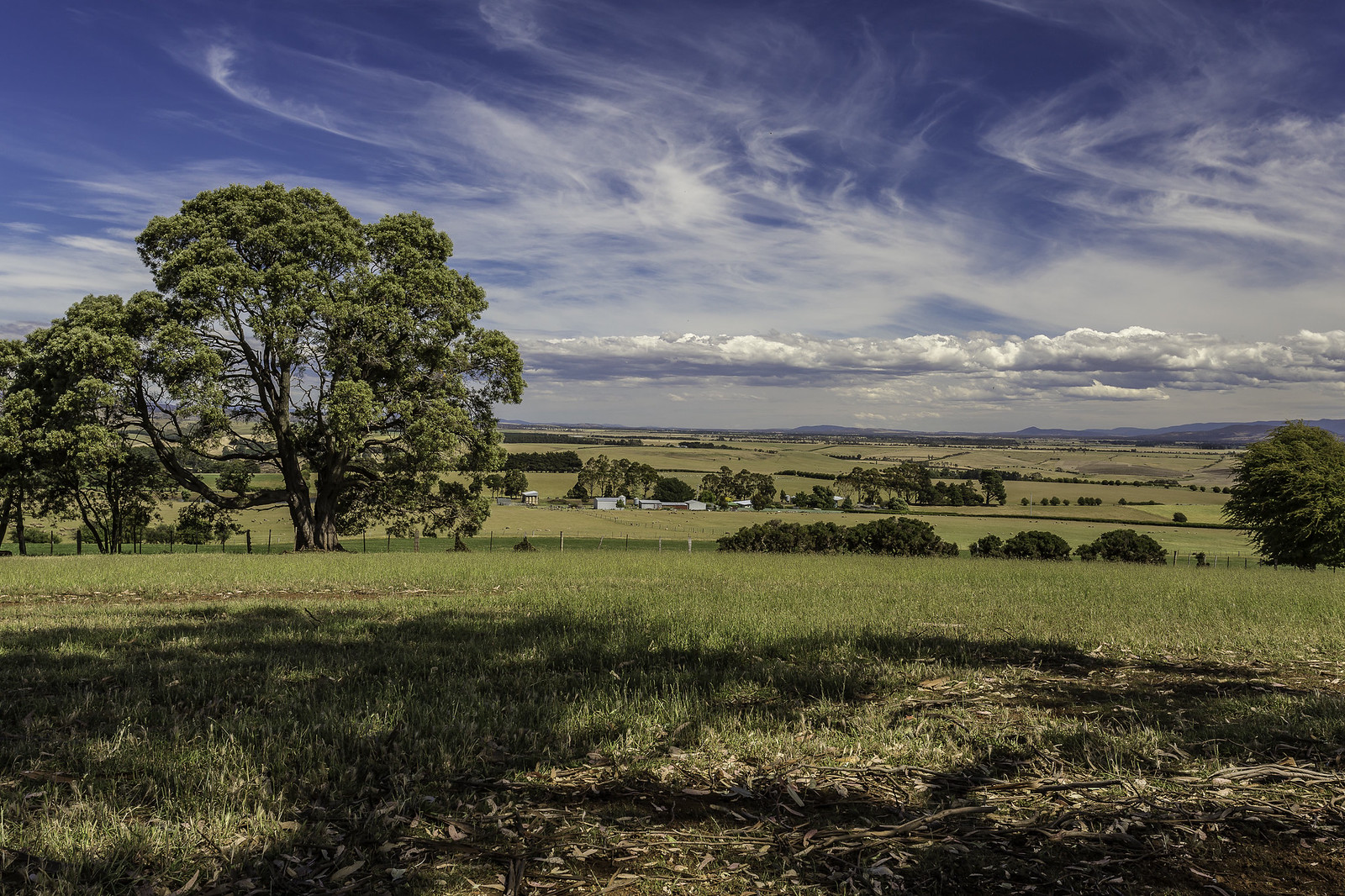
Tasmania's median house price is sitting near $560,000 in mid-2026, and while that figure might prompt comparisons to the fever pitch of the 2021 boom cycle, agents and buyers operating in the market right now say the two periods feel fundamentally different on the ground.
The distinction matters. In 2021, the state recorded some of its sharpest price jumps on record, driven by mainland buyers flooding south during the pandemic, remote-work flexibility, and a collective re-evaluation of what home meant. That wave crested, then retreated. What's happening now is quieter, more selective, and in several pockets of the state, more durable.
Sandy Bay to Launceston: Where the Numbers Are Moving
In Hobart's inner south, Sandy Bay continues to anchor premium expectations. Properties in the streets running toward the Derwent, think Quayle Street and Churchill Avenue, are still transacting well above the city median, with four-bedroom homes regularly clearing $1.1 million to $1.4 million depending on water views and renovation status. Battery Point, long the preserve of heritage cottages and a tight, low-turnover stock, is seeing renewed interest from buyers priced out of Sydney's inner ring who still want character and walkability.
Launceston tells a different story. The city's median has been quietly climbing as buyers who once dismissed it as a secondary market are now treating it as a genuine alternative. Suburbs like Newstead and Prospect Vale have absorbed demand from both local upsizers and a steady stream of interstate arrivals attracted by the relative affordability against Hobart benchmarks. The Launceston Property Report, published by the Real Estate Institute of Tasmania, has tracked Launceston's median trending upward through the first two quarters of 2026, though the pace remains more moderate than the double-digit annual gains seen statewide in 2021.
The distinction between now and 2021 isn't just emotional, it shows up in clearance rates and days on market. During the peak of the boom, well-priced properties in suburbs like West Hobart and Moonah were routinely selling within days of listing, sometimes before formal open-for-inspections. Today, the Hobart market is absorbing stock more methodically. Buyers are doing due diligence. Finance conditions under the current lending environment are tighter than they were when the Reserve Bank of Australia's cash rate sat at historic lows, and that discipline is visible in negotiation timelines.
What's Different This Time
The 2021 surge was partly a demand shock, sudden, volume-driven, and compressed into a short window. The current movement looks more like a recalibration. Lifestyle migration hasn't stopped; it has matured. The Tasmanian Government's population strategy and investment in regional infrastructure, including upgrades tied to the Tasmanian Irrigation scheme and the continued development of the Macquarie Point precinct in Hobart, are underpinning longer-term confidence rather than short-term speculation.
First-home buyers are still present, though stretched. The federal government's Home Guarantee Scheme continues to support entry-level purchases, particularly in the $400,000 to $550,000 bracket where units in areas like Moonah, Glenorchy and Kingston are attracting genuine competition. That cohort, increasingly including buyers in their mid-to-late twenties, has not abandoned ownership as a goal, even as deposit timelines have stretched.
For sellers, the practical read is this: the panic-buying premium of 2021 is gone, but well-presented stock in established suburbs is still finding strong prices when it comes to market correctly. Overpricing on the expectation that the market will catch up has stalled campaigns in suburbs like Claremont and Rokeby, where vendor expectations have occasionally run ahead of comparable evidence.
The smarter move for anyone watching from the sidelines is to track what's actually settling, not what's being listed. In a market this size, Tasmania processed fewer than 14,000 residential transactions statewide in the 2024-25 financial year according to REIT data, individual sales carry outsized weight in local price narratives. The boom of 2021 won't repeat on the same timeline. What's building now is slower, and arguably more useful to the people who actually have to live here.
This article is general information only and is not personal financial or investment advice. Consider your own circumstances and seek licensed professional advice before making financial decisions.