property
Tasmanian Property Market Flashes Warning Signs as Winter Auction Rates Tumble
After years of frantic growth, a sharp drop in auction activity and flattening prices signal a long-awaited shift in power from sellers back to buyers.
How we reported this
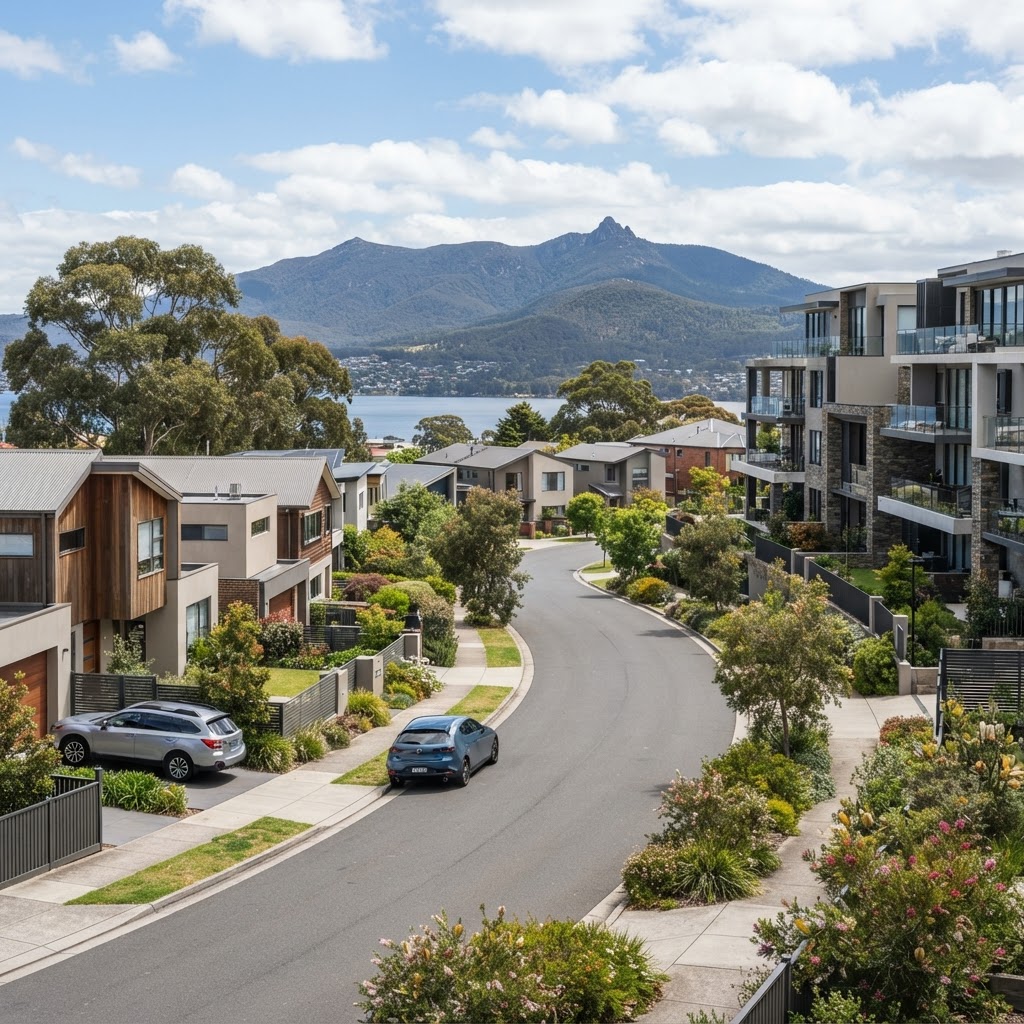
HOBART, The chill setting in over Tasmania’s property market is more than just seasonal. Hobart’s auction clearance rate fell to 48% last weekend, the first time the key metric has dropped below the 50% barrier on a non-holiday weekend since the pre-pandemic days of 2019. The number signals a decisive momentum shift in a market that has been defined by runaway growth for nearly a decade.
For years, Tasmanian homeowners have grown accustomed to weekend auction results that defied gravity, with homes selling tens, sometimes hundreds, of thousands of dollars over reserve. This new data suggests that era of guaranteed windfalls is over. The combination of sustained higher interest rates, stretched affordability, and a slight increase in properties for sale is finally rebalancing the scales. What was once a market of desperation for buyers is becoming one of calculation and caution.
The change is being felt on the ground. A four-bedroom home on Churchill Avenue in Sandy Bay, which would have likely sparked a bidding war two years ago, passed in at auction last Saturday after failing to meet its reserve. Meanwhile, real estate agents report that open homes in traditionally hot suburbs like West Hobart and Bellerive are seeing fewer groups through the door. According to the Real Estate Institute of Tasmania (REIT), the average number of registered bidders per auction has fallen from eight in mid-2024 to just three in June 2026.
A Market Divided
While top-tier suburbs feel the pinch, the story is different across the state. The market is not collapsing, but fracturing. Launceston continues to show more resilience, buoyed by a lower median house price that remains attractive to both first-home buyers and mainland investors priced out of Hobart. Well-presented properties in suburbs like Newstead and East Launceston are still selling within weeks, though often through private treaty rather than the high-pressure auction environment.
The latest quarterly data tells the story in stark numbers. CoreLogic figures for the June 2026 quarter show Hobart's median house value growth slowed to a near-standstill of 0.4%, a world away from the aggressive 5-7% quarterly gains recorded through much of 2023. The statewide median house price now sits at approximately $565,000. Perhaps more telling is the 'days on market' metric, which has crept up from a record low of 11 days to an average of 32 days across Greater Hobart, giving buyers precious time for building inspections and financing clauses.
Navigating the New Normal
This cooling trend presents a new landscape for both sides of the transaction. For sellers, the strategy of listing with an ambitious price and waiting for the market to catch up is no longer viable. Agents are now advising clients on the necessity of realistic pricing from day one and the importance of property presentation to stand out in a less frenzied environment. A property that lingers on the market for more than 45 days is now susceptible to lowball offers, a scenario almost unthinkable 18 months ago.
For buyers, particularly Tasmanians who have been sidelined by fierce competition, this is a window of opportunity. The fear of missing out has subsided, replaced by a renewed ability to negotiate. With less competition, buyers can make offers conditional on finance or building reports without being immediately dismissed. It’s a return to market fundamentals, where diligence is rewarded and the pressure to make a life-altering decision in a matter of minutes has finally begun to ease.
This article is general information only and is not personal financial or investment advice. Consider your own circumstances and seek licensed professional advice before making financial decisions.