property
Investors Are Back, and They're Squeezing First-Home Buyers Out of the Race
After a two-year retreat, property investors are returning to the Tasmanian market in force, and the timing couldn't be harder for owner-occupiers trying to get a foothold.
How we reported this
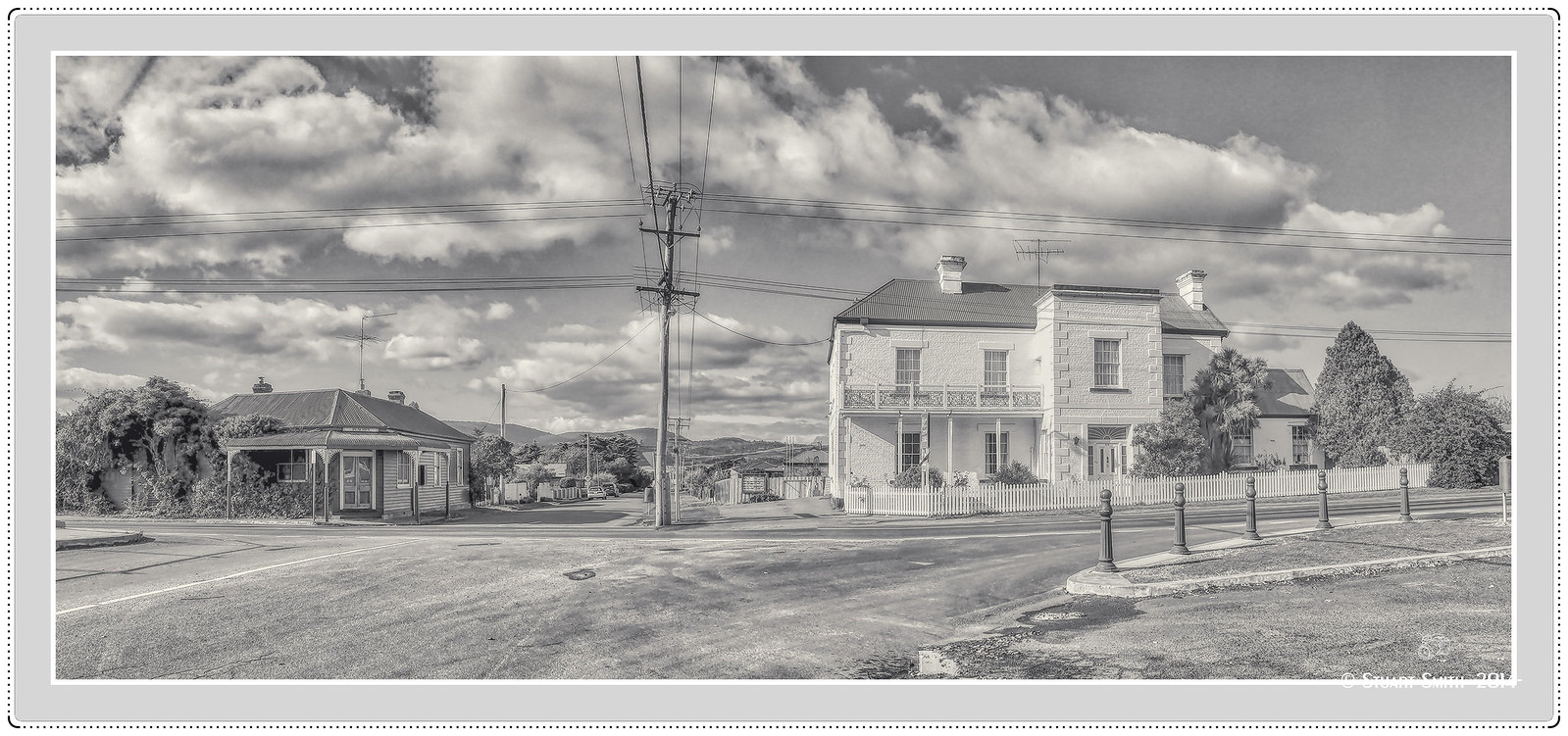
Investor activity in Tasmania's residential property market has picked up sharply through the first half of 2026, with finance data and agent reports pointing to a cohort that largely sat out the rate-rise cycle now moving back into the field. The shift is being felt most acutely at the entry level of the market, the sub-$650,000 bracket where first-home buyers and investors want the same stock.
The why matters here. The Reserve Bank's rate-cutting cycle, which began in early 2025, has restored rental yield math for many investors who walked away when borrowing costs made the numbers impossible. Tasmania's statewide median sits around $560,000, which looks modest against Sydney or Melbourne figures, but the state's tight rental vacancy, persistently below two per cent in Hobart according to SQM Research's monthly tracking, means rent rolls are performing. That combination of comparatively lower entry price and solid yield is drawing mainland money south again.
The Pressure Points: Glenorchy to George Town
Suburbs that absorbed the most investor interest during the last boom, roughly 2019 to 2021, are lighting up again. Glenorchy, on Hobart's northern fringe along the Brooker Highway corridor, has seen clearance activity tighten considerably at the $480,000-to-$560,000 mark. Agents working the area describe open-for-inspection registers filling with a mix of local renters hoping to buy and interstate investors who have done their homework on gross yields before the first open. Bridgewater and Clarendon Vale, both within the Greater Hobart footprint and both still trading below the statewide median, are attracting similar attention.
In the north, Launceston's emergence as a genuine alternative to Hobart has accelerated. The suburb of Newnham, close to the University of Tasmania's Launceston campus on Newnham Road, has drawn investor attention because of its student-rental demand. Neighbouring Mowbray is seeing comparable interest. Properties there that sat on the market for six or eight weeks in mid-2024 are now moving in under three weeks, according to listing data published by realestate.com.au for the June 2026 quarter. The regional city's median house price has climbed toward $480,000, compressing the affordability advantage that once made it an obvious first-home destination.
Sandy Bay and Battery Point in Hobart remain the state's prestige benchmarks, with Battery Point properties routinely clearing $1.2 million and above. Investor activity at that end of the market is more selective and tends toward short-stay conversion rather than long-term rental, a factor that has kept Hobart City Council's short-stay accommodation policy framework under ongoing review.
What First-Home Buyers Are Up Against
The federal government's Help to Buy shared-equity scheme, which Tasmania signed on to support, was intended to give lower-deposit buyers a competitive edge. But shared-equity mechanisms have limits when multiple registered bidders, some with cash or large deposits built from equity in other states, show up at auction. The Tasmanian HomeShare program, administered through Housing Tasmania, offers another pathway, but its intake is capped and waitlist times have stretched.
The raw auction dynamic is straightforward: an investor with an existing portfolio can move faster, waive conditions more readily, and absorb a slightly higher price because the asset is income-producing from settlement. A first-home buyer on a 95 per cent loan-to-value ratio, often needing a finance clause and a building inspection, is structurally slower. When those two buyer types compete for the same three-bedroom house in Moonah or the same unit block in South Launceston, the investor wins more often than not.
For buyers navigating this, the practical advice from brokers working the Hobart market consistently points in one direction: get unconditional pre-approval, not just approval in principle, before attending inspections. Know the difference. Talk to a buyer's agent who operates specifically in Tasmania rather than a national service that treats the island as a single data point. And watch the outer ring, suburbs like Rokeby, Midway Point, and Kingston's eastern edges, where investor interest has not yet fully repriced the market. That window won't stay open indefinitely.
This article is general information only and is not personal financial or investment advice. Consider your own circumstances and seek licensed professional advice before making financial decisions.