property
Squeezed on Both Sides: Tasmania's Rental Market Leaves Tenants Scrambling and Landlords Weighing Their Options
With vacancy rates near historic lows and rents climbing well above what many Tasmanians earn, the island's rental market is reshaping lives from Hobart's inner suburbs to Launceston's north.
How we reported this
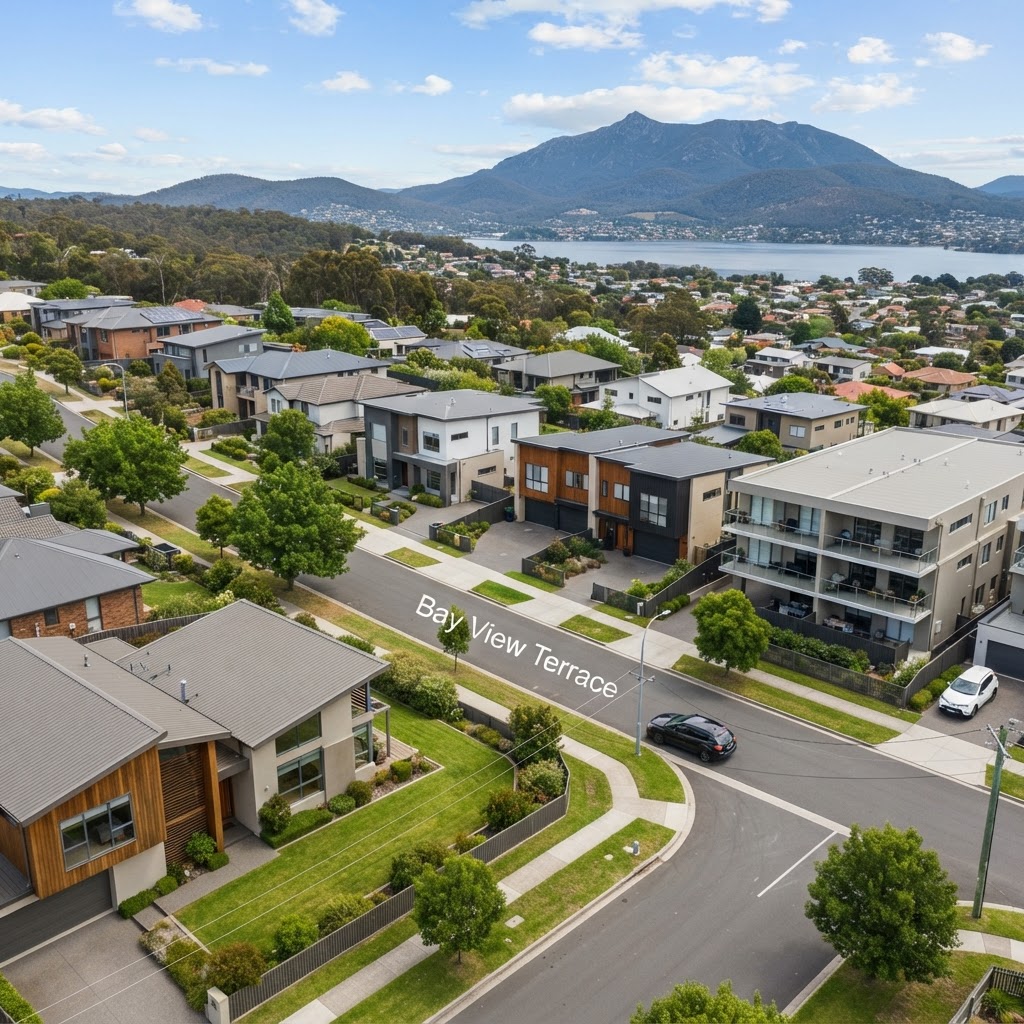
Tasmania's rental market is producing a familiar and grim arithmetic for thousands of households: not enough properties, too many applicants, and rents that have outpaced wage growth for the better part of three years. The state's median weekly rent for a house sat around $490 as of mid-2026, according to figures tracked by property analysts, a number that lands hard in a state where median household incomes remain below the national average.
The timing matters. Tasmania's lifestyle migration boom, which accelerated during the pandemic years and has not fully unwound, pushed demand into suburbs and regional towns that were never built to absorb it. Investors who bought during the low-rate cycle are now recalculating under higher holding costs, and some are listing. That dynamic, more properties trickling onto the sales market rather than the rental pool, is doing little to ease the crunch for the thousands of Tasmanians who cannot, or choose not to, buy at a state median hovering around $560,000.
Hobart's Inner Ring and the Regional Spill
In Hobart, the pressure is most visible in the inner suburbs. Battery Point, where a two-bedroom terrace can command upward of $650 per week, has seen a steady conversion of long-term rentals into short-stay accommodation, thinning the supply available to permanent residents. Sandy Bay, historically a university rental corridor for students at the University of Tasmania's Hobart campus on Churchill Avenue, has tightened further as some landlords have sold into the owner-occupier market or shifted to holiday letting platforms.
The ripple has pushed renters north. Launceston's rental market, once a genuine alternative for families priced out of Hobart, is no longer the pressure valve it was. Suburbs like Invermay and Newnham, historically affordable, close to Charles Darwin University's Launceston campus and the Launceston General Hospital precinct, are seeing multiple applications for every available property. Property managers in the city have reported queues at open inspections that more closely resemble Hobart conditions from two years ago.
Tenants Tasmania, the state's peak body for renters, has continued to field high volumes of calls relating to rent increase notices and lease non-renewals. The organisation operates from offices in both Hobart and Launceston and provides free advice under the Residential Tenancy Act 1997. For tenants unsure of their rights when a landlord issues a notice to vacate or a substantial rent increase, it remains one of the few accessible first stops.
Landlords Are Not Uniformly Winning
The popular framing of landlords as the clear beneficiaries of a tight market obscures a more complicated picture. Smaller investors, those who own one or two properties, often in regional centres like Devonport or Burnie on the state's north-west coast, are contending with insurance costs, strata levies, and land tax adjustments that have risen sharply since 2023. The Tasmanian government's land tax threshold changes, which took effect in the 2024-25 financial year, altered the calculation for some investors holding mid-value properties.
Some landlords are selling, particularly those who bought before 2020 and are now sitting on substantial capital gains. The Watsonia auction story doing the rounds nationally this week, a couple who banked $916,000 and hit the road, resonates differently in a Tasmanian context, where the exit price is lower but so is the reinvestment cost. A landlord selling a Moonah rental and cashing out still needs somewhere to park the proceeds.
For tenants, the practical calculus is stark. Applications for the Rental Relief Fund, administered through Housing Tasmania, have remained elevated. Eligibility criteria and payment caps have not kept pace with market rents in most postcodes, meaning the gap between what assistance covers and what landlords charge falls to the tenant to bridge, or to absorb through cuts elsewhere.
The most actionable step for renters facing increases is to request a written breakdown from the property manager and cross-check against comparable listings on the major platforms before deciding whether to contest through the Residential Tenancy Commissioner. Landlords considering selling should factor in that an exit from the rental pool, multiplied across hundreds of similar decisions, is part of what is generating the conditions making headlines right now.
This article is general information only and is not personal financial or investment advice. Consider your own circumstances and seek licensed professional advice before making financial decisions.